
Blog
-
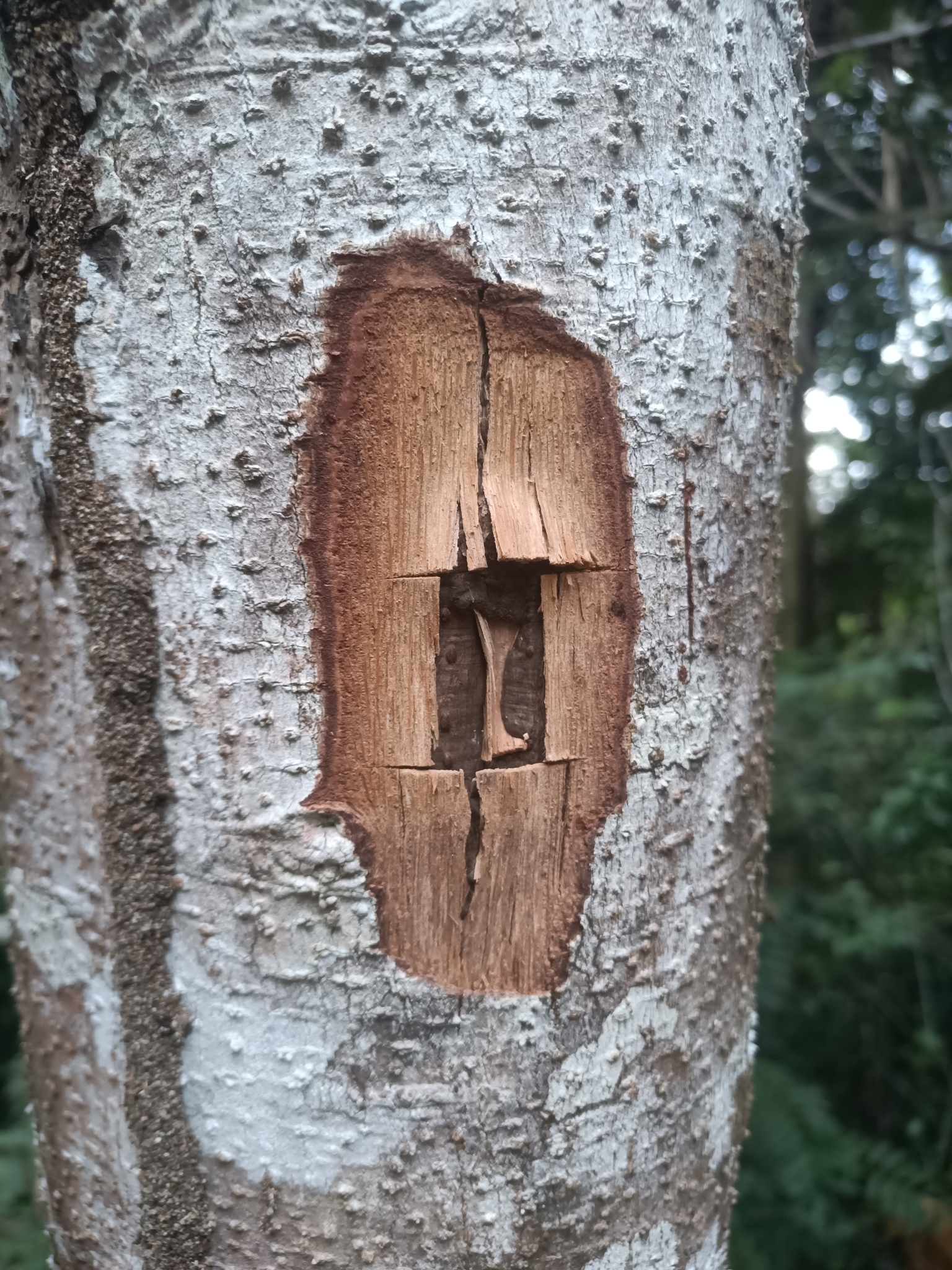 Read more: Brazilian Rosewood (Aniba rosaeodora)
Brazilian Rosewood (Aniba rosaeodora)
The image the phrase “endangered species” conjures is almost always an animal with a face. But the IUCN Red List does not stop at fauna, and neither should we. For the first time, the subject of a Bem Bloom’s Endangered Species article is a plant: a towering Amazonian tree whose fragrant heartwood was so valuable…
-
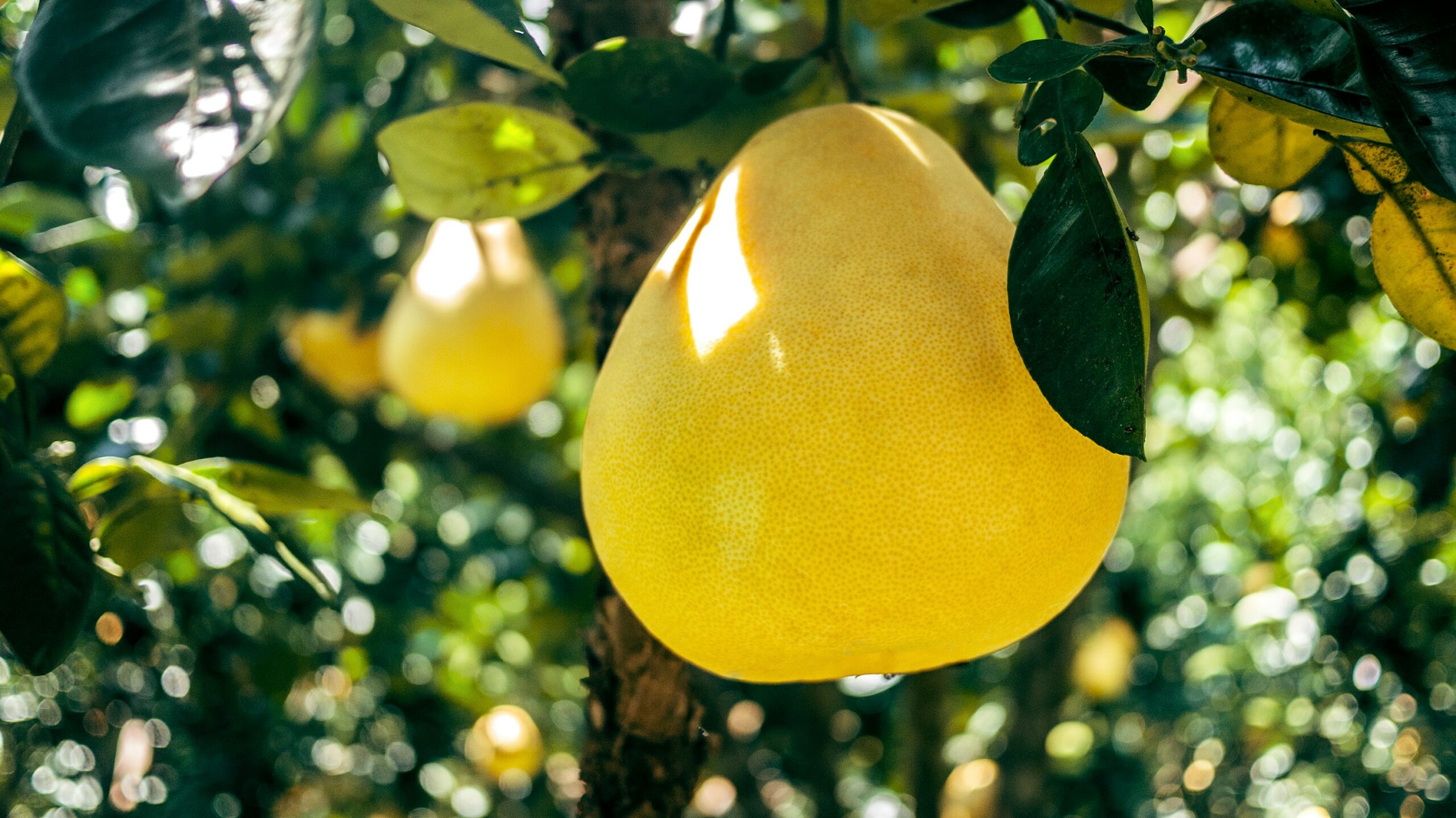 Read more: Pomelo
Pomelo
1. An Ancestral Citrus, Not a Hybrid Most of the citrus on a European or American supermarket shelf: the navel orange, the Persian lime, the Eureka lemon, the ruby grapefruit, are interspecific hybrids of comparatively recent agricultural history. Pomelo is not. Citrus maxima is one of the three ancestral, non-hybrid citrus species identified by whole-genome…
-
 Read more: Product Categories
Product Categories
in Vegan Market1. A Market of Distinct Categories The first two articles in this series established a distinction worth carrying into any category analysis: the global vegan food market tracked by commercial research firms measures retail sales of manufactured plant-based substitute products: meat analogues, dairy alternatives, plant-based ‘eggs’, and similar formulated plant-based products, not the totality of…
-
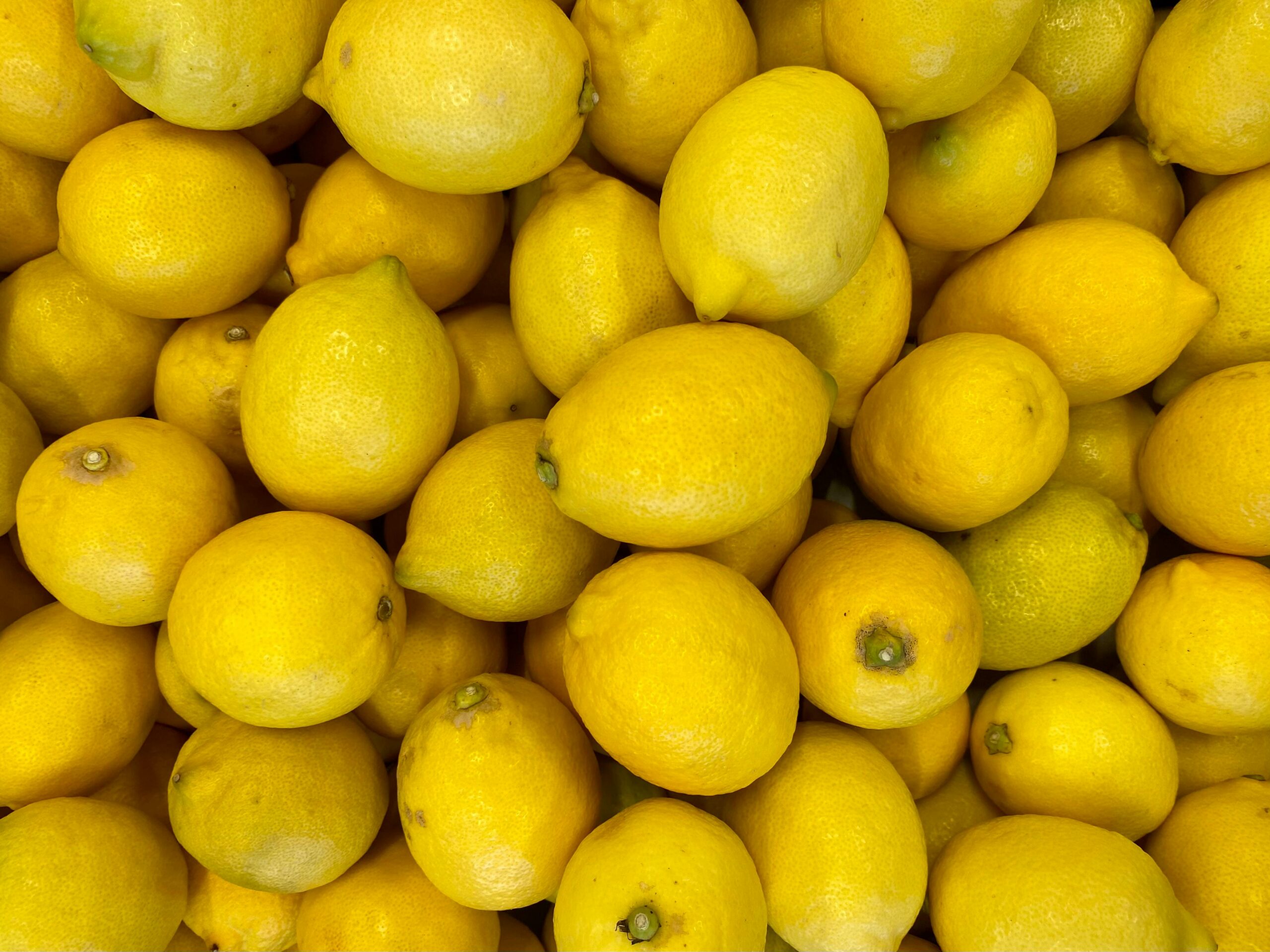 Read more: Lemon
Lemon
1. Botanical Profile and Origin Lemon (Citrus limon) is not an ancestral species but a hybrid of citron (Citrus medica) and sour orange (Citrus × aurantium), the latter itself a pomelo × mandarin admixture. Whole-genome analyses by Wu et al. (2018, Nature) strongly support this hybrid ancestry, the lemon genome derives predominantly from citron and…
-
 Read more: Citrus Fruits
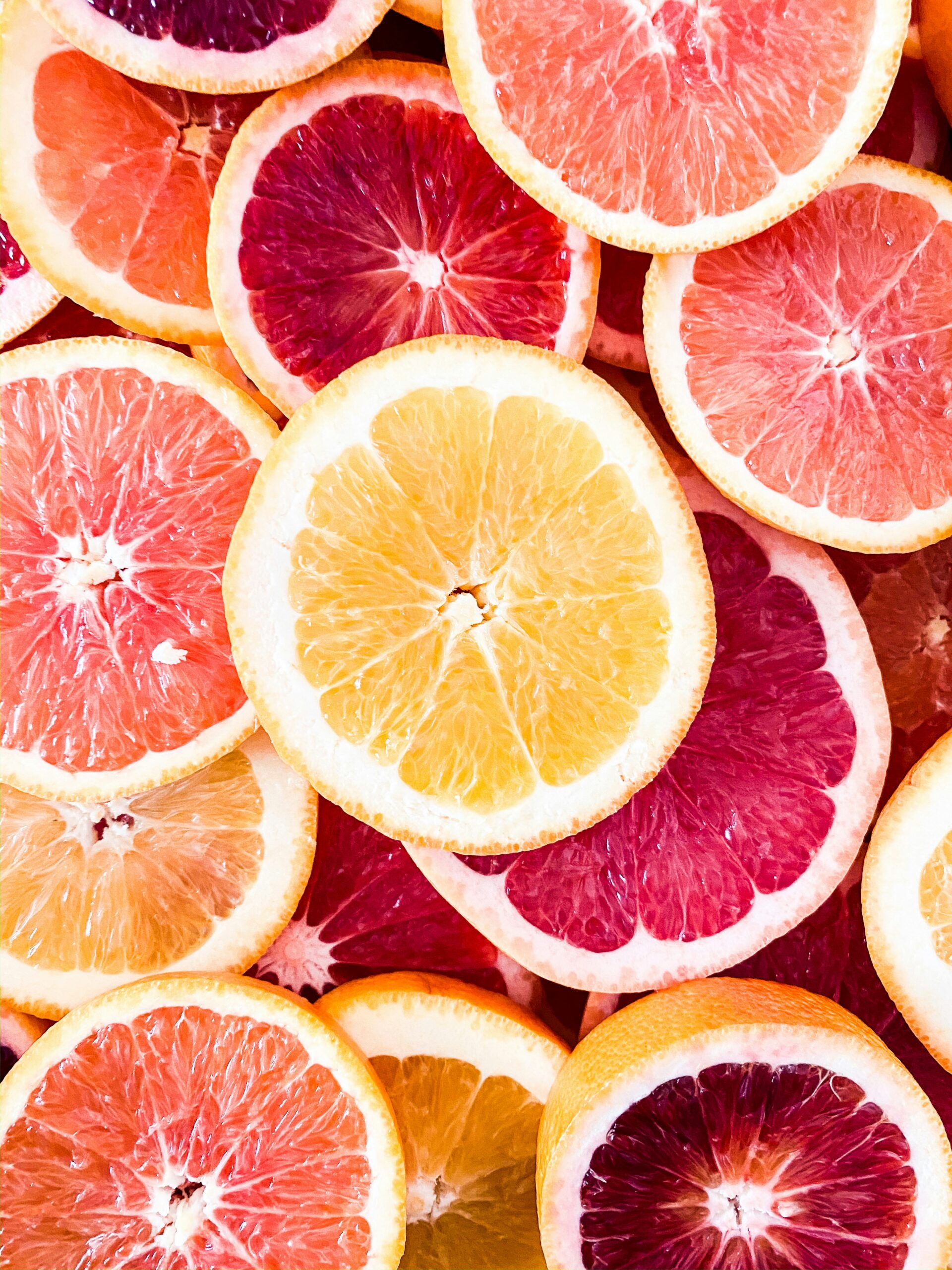
Citrus Fruits
Today, with global citrus output above 158 million tonnes across more than 140 countries annually, citrus is among the most widely consumed fruit groups on earth and among the world’s largest fresh-fruit categories by production and trade volume. Beyond their commercial weight, citrus fruits has: a remarkable botanical history that genomics has only recently clarified;…
-
 Read more: Scimitar-Horned Oryx (Oryx dammah)
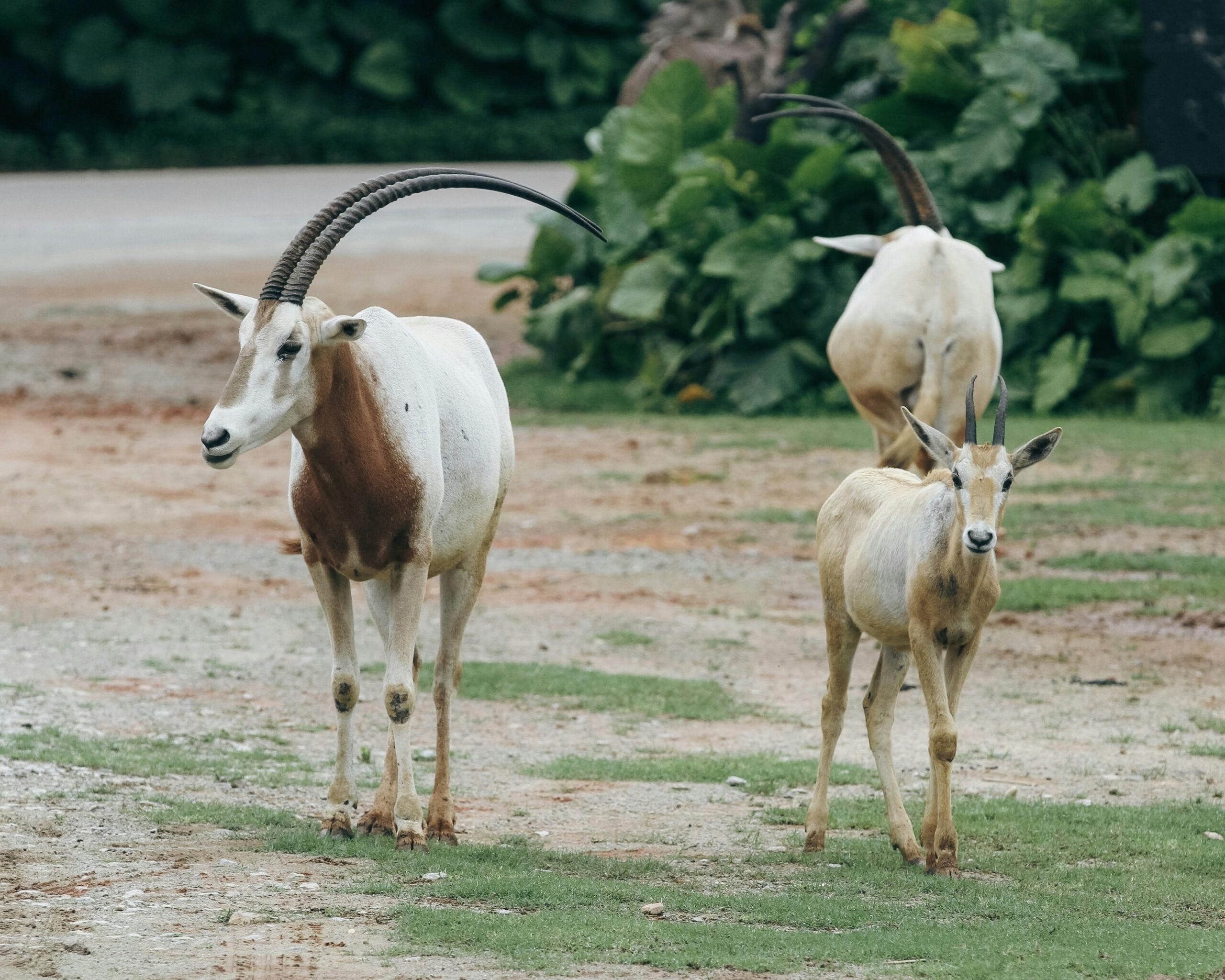
Scimitar-Horned Oryx (Oryx dammah)
There is a theory (long debated, never fully resolved) that the scimitar-horned oryx may be the origin of the unicorn myth. When seen in profile, the two long curved horns of an adult overlap into a single sweeping arc. The ancient Egyptians depicted these animals in profile on tomb walls. Greek and Roman writers reported…
-
 Read more: Lemongrass
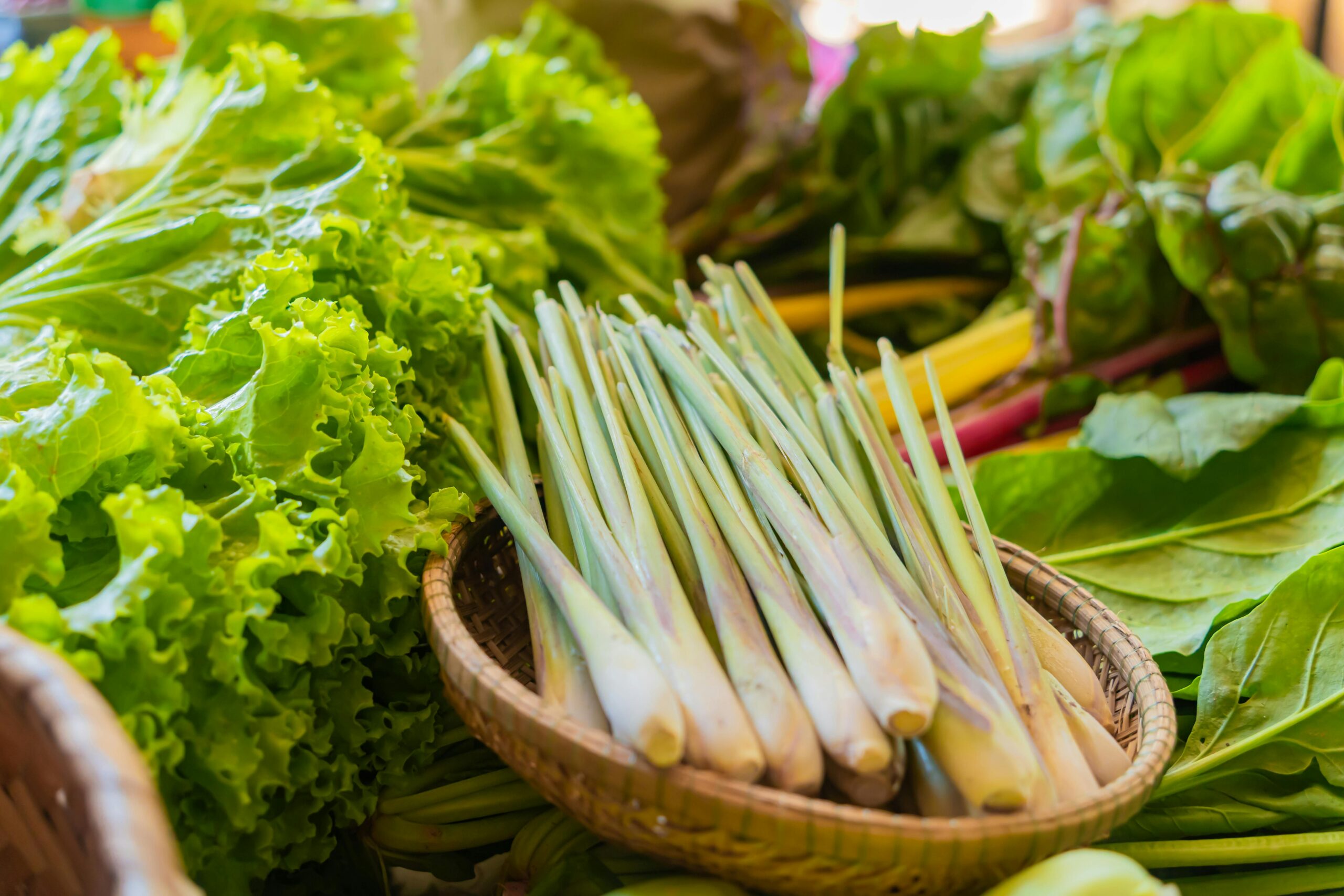
Lemongrass
1. Botanical Profile Cymbopogon citratus (DC.) Stapf is a tall, perennial, densely tufted grass native to South and Southeast Asia. It belongs to the genus Cymbopogon, which contains around 55 species of fragrant grasses, and to the family Poaceae, the same botanical family as wheat, rice and bamboo. As a culinary herb, lemongrass is unusual:…
-
 Read more: Organic Farmland
Organic Farmland
1. The Production Side: 98.9 Million Hectares Worldwide The two preceding articles in this series examined the demand side of the global organic sector: market size and forecasts, and the geographic distribution of retail sales. This article turns to the supply side, the agricultural land, producers, and crops that together form the production base on…
-
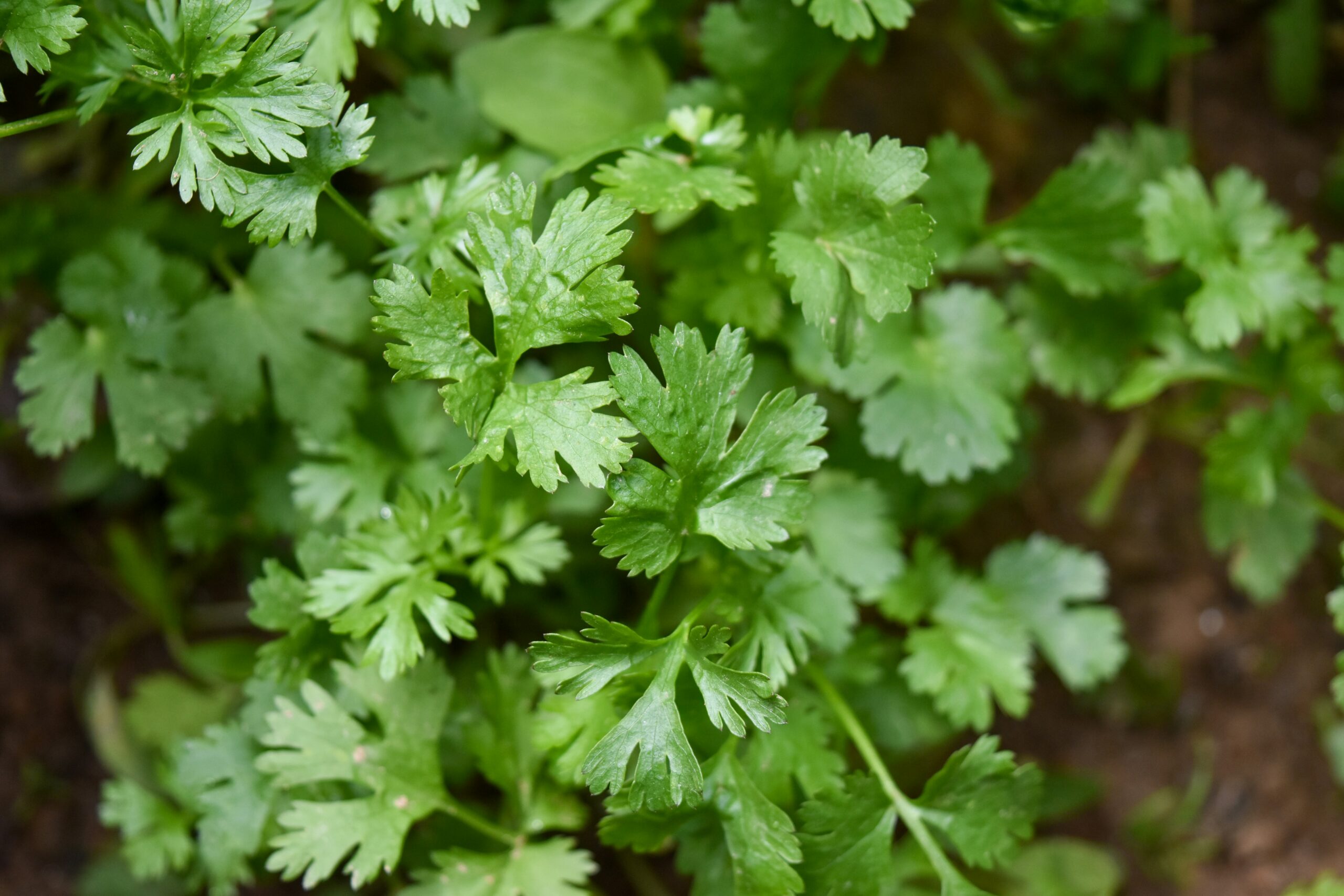 Read more: Coriander
Coriander
1. Botanical Profile Coriandrum sativum is an annual herbaceous plant of the Apiaceae family, the same lineage as parsley, dill, fennel, carrot and celery. Native to a region spanning the eastern Mediterranean and western Asia, it has been cultivated for at least 7,000 years; coriander mericarps have been recovered from the late Neolithic Nahal Hemar…
-
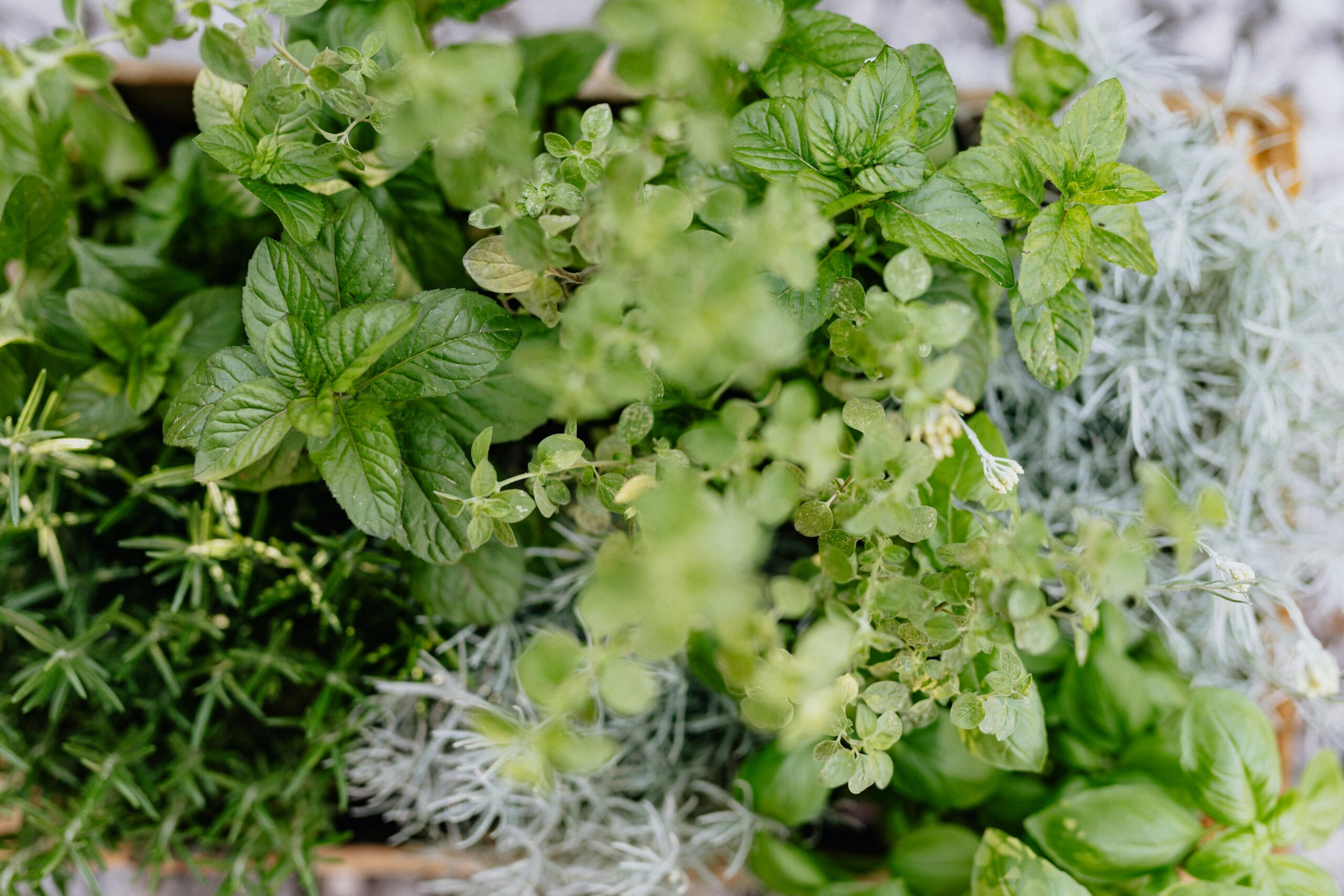 Read more: Aromatic Herbs
Aromatic Herbs
Across continents and across history, herbs have been the punctuation of cooking, small in volume, decisive in character. 1. Botanical Foundations In culinary usage, an aromatic herb is the leafy or soft aerial part of a plant used to flavour food. The distinction between herb and spice is largely anatomical: herbs are the tender green…
-
 Read more: Western Swamp Tortoise (Pseudemydura umbrina)
Western Swamp Tortoise (Pseudemydura umbrina)
In 1953, a schoolboy found a small, flat-headed turtle on a road near Perth, Western Australia. The animal he picked up had not been seen by scientists since a single specimen was collected from the same region in 1839 and shipped to Vienna, where it sat in a museum drawer for six decades before anyone…
-
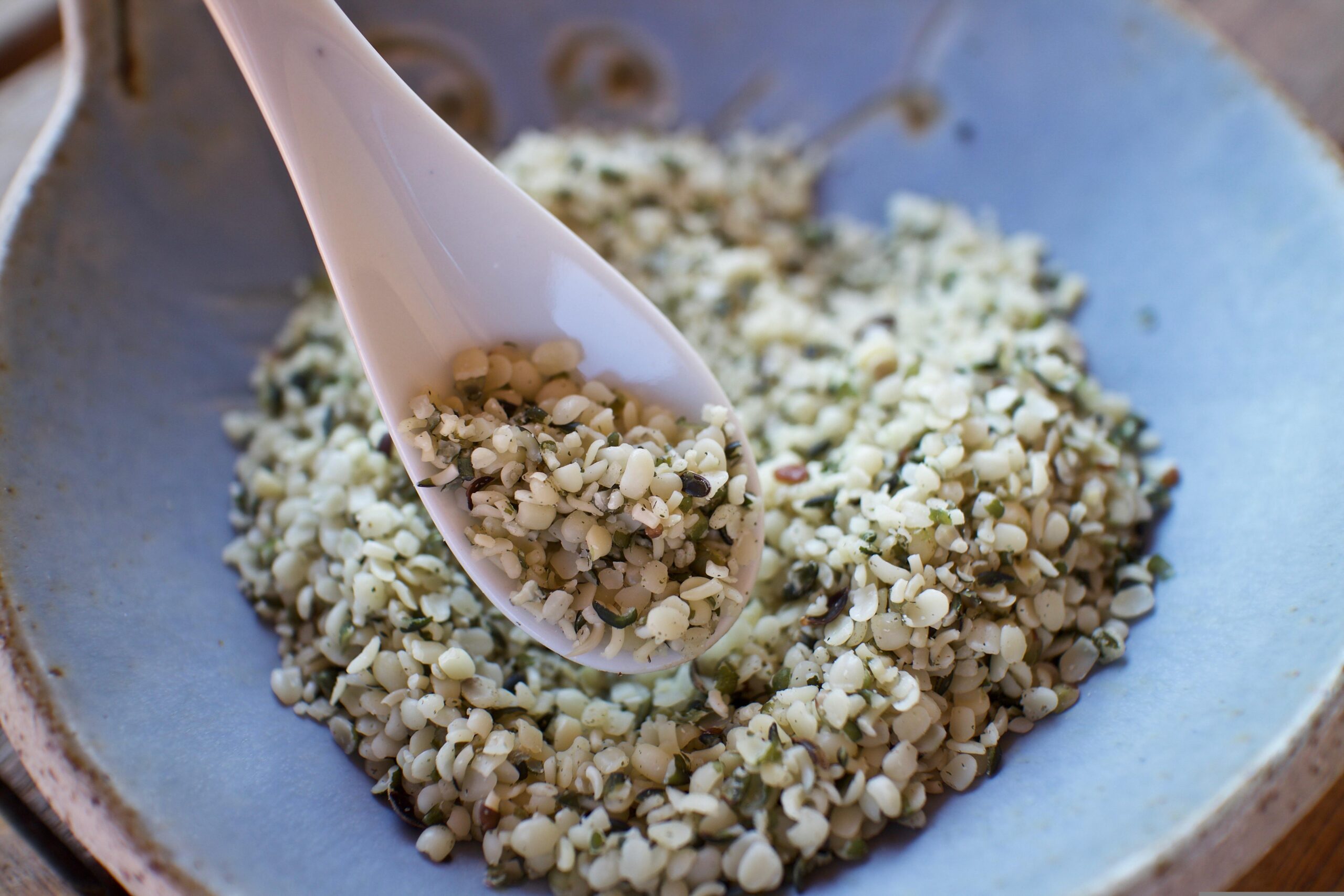 Read more: Hemp Seeds
Hemp Seeds
in SeedsHemp seeds, the small, nutty-tasting fruits of Cannabis sativa, have been part of human diets in East and Central Asia for at least three millennia, it is one of the few widely consumed culinary seeds that combines a complete set of essential amino acids (with lysine as the limiting amino acid), an omega-6 to omega-3…
-
 Read more: Geographic Distribution of the Global Vegan Food Market
Geographic Distribution of the Global Vegan Food Market
in Vegan Market1. A Market Concentrated in Three Regions The previous article of this series established a distinction worth carrying into any geographic analysis: the global vegan food market tracked by commercial research firms measures retail sales of manufactured plant-based substitute products, meat analogues, dairy alternatives, plant-based ‘eggs’, and similar engineered goods designed to replicate animal-derived foods.…
-
 Read more: Chia
Chia
in SeedsChia (Salvia hispanica) has moved from a regional Mesoamerican staple into one of the most widely traded functional ingredients of the past two decades. Its rise has been driven less its nutrient profile: high alpha-linolenic acid content, dual soluble and insoluble fibre, a complete amino acid profile, and unusual hydration capacity, that makes it useful…
-
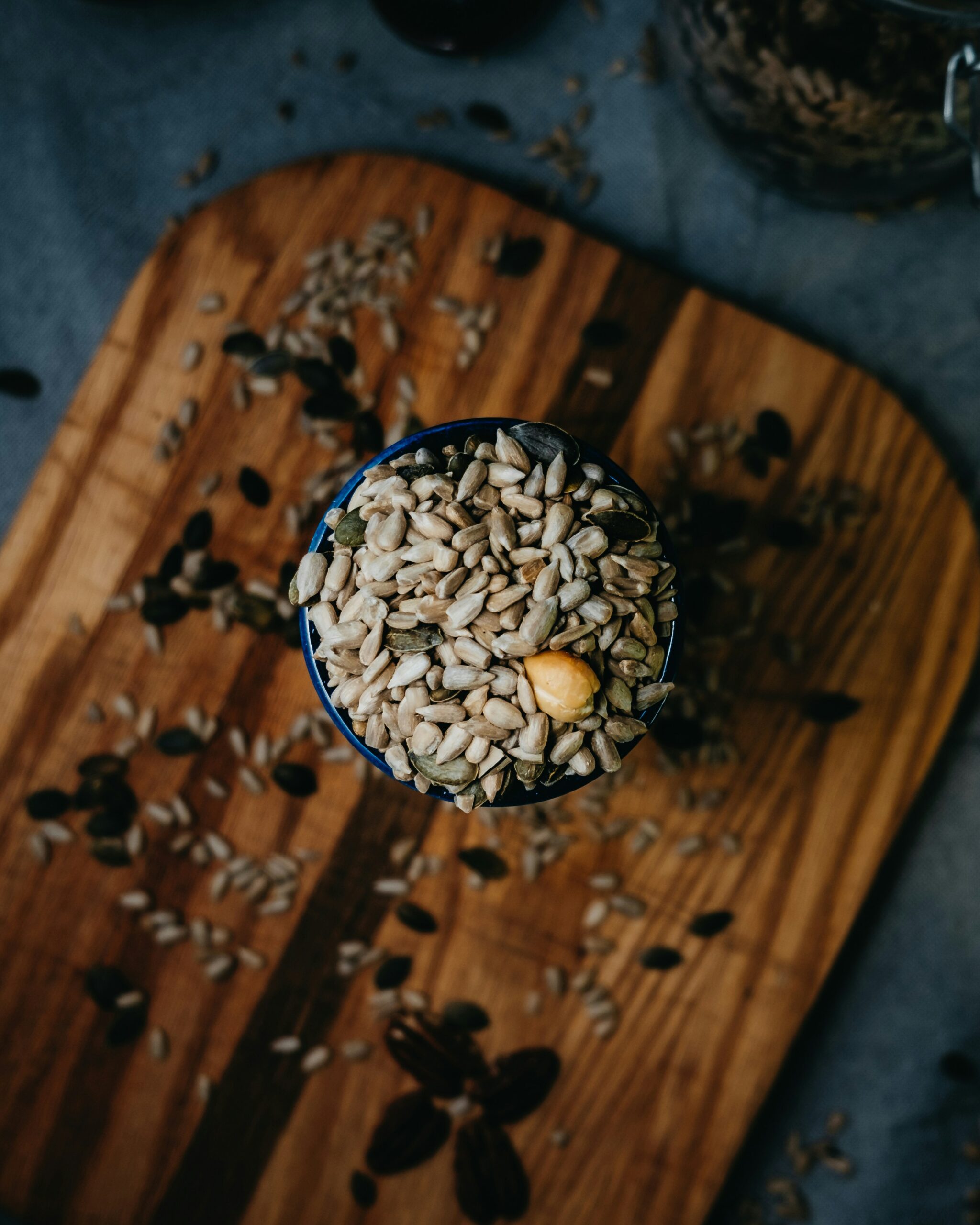 Read more: Seeds
Seeds
Botanically, a “seed” is the reproductive unit of a flowering plant, and by that definition, a substantial share of the human food supply qualifies. Cereals such as wheat, rice, and oats (botanically caryopses); single-seeded fruits in which the ovary wall has fused to the seed coat, are seeds; so are legumes like lentils, chickpeas, and…
-
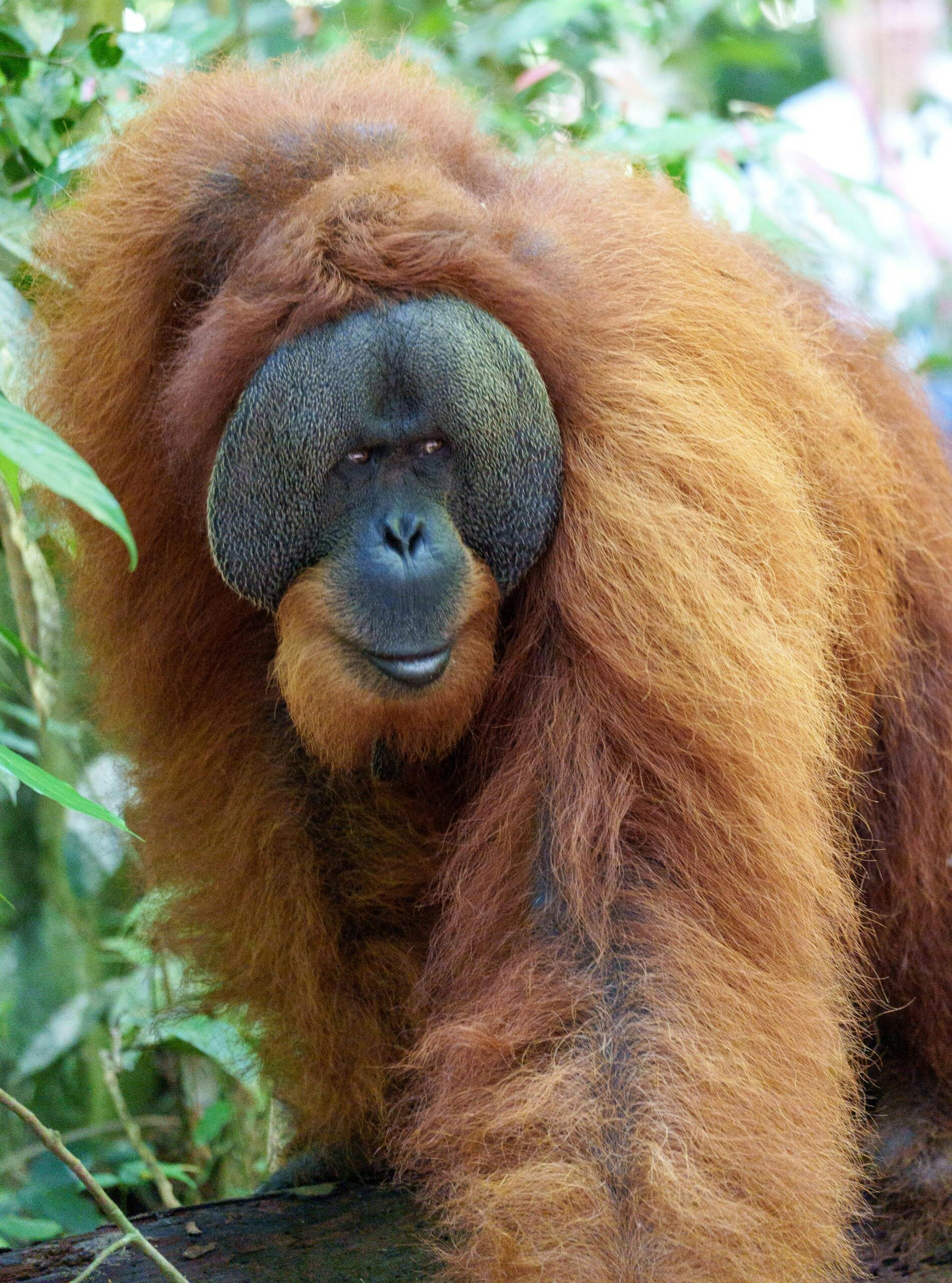 Read more: Sumatran Orangutan (Pongo abelii)
Sumatran Orangutan (Pongo abelii)
In 2022, a wild Sumatran orangutan named Rakus was observed doing something no animal had ever been documented doing before: he chewed the leaves of Fibraurea tinctoria, a plant used in traditional medicine across Southeast Asia, and applied the resulting paste directly to a wound on his face. Within five days the wound had closed,…
-
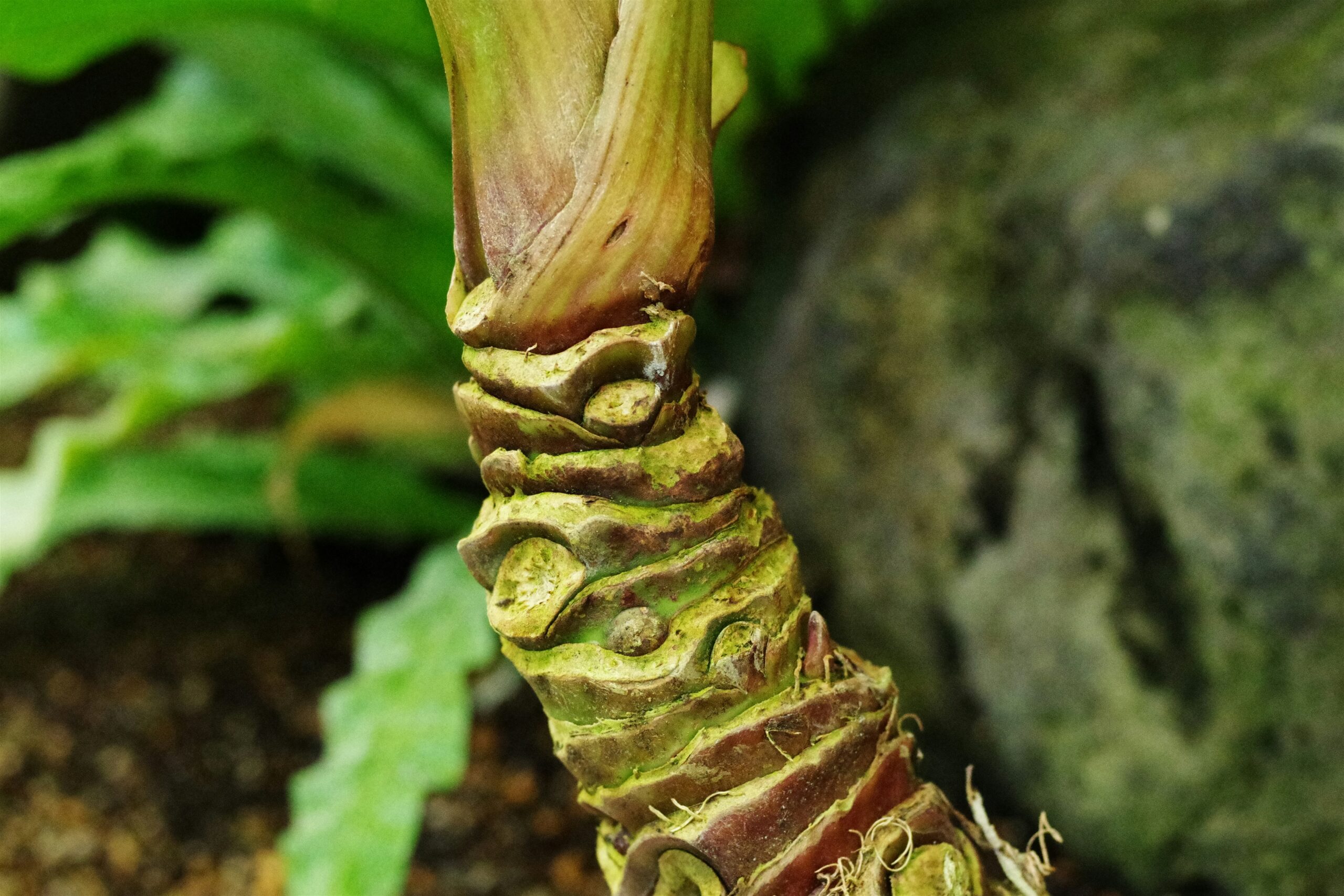 Read more: Wasabi
Wasabi
Few ingredients are as widely recognised, and as widely misrepresented, as wasabi. The vivid green paste served beside sushi worldwide is overwhelmingly an imitation built on horseradish, mustard and food colouring; authentic wasabi, the freshly grated rhizome of Eutrema japonicum, remains a rarity even in Japan. Its scarcity is not marketing: the plant is one…
-
 Read more: Geographic Distribution of the Global Organic Food Market
Geographic Distribution of the Global Organic Food Market
1. A Market Concentrated in Two Regions, But Shifting Fast According to the FiBL & IFOAM World of Organic Agriculture 2026 Yearbook, verified global retail sales of organic food and drink reached nearly €145 billion ($163.9 billion) in 2024. Consumption remains heavily concentrated in North America and Europe, which together account for approximately 86% of…
-
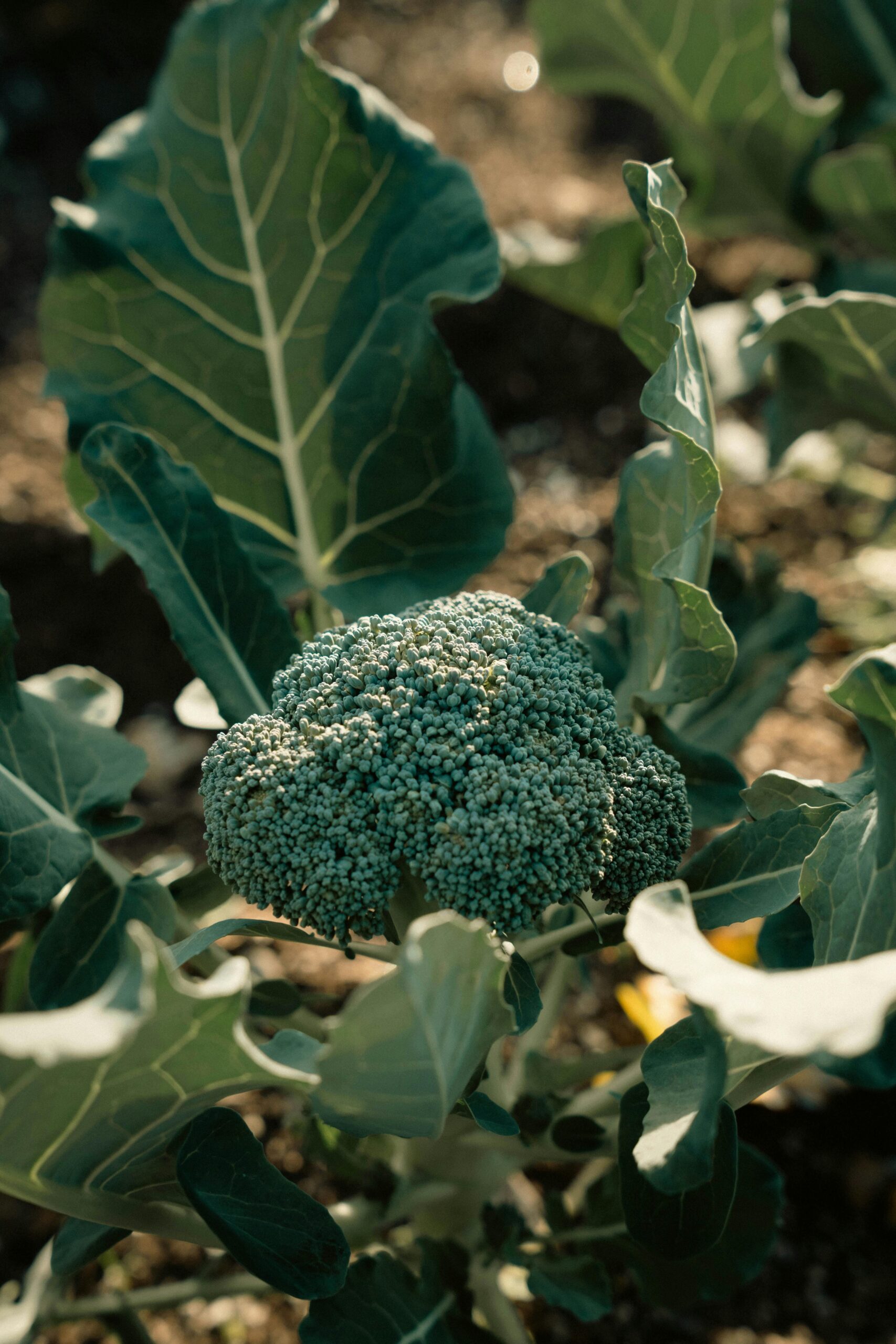 Read more: Broccoli
Broccoli
1. Botanical Profile and Origins Broccoli belongs to the species Brassica oleracea, the same species that gave rise to cabbage, cauliflower, kale, Brussels sprouts, kohlrabi, and collard greens. These are not merely close relatives but cultivar groups of a single highly plastic species, each selectively bred for a different edible part. Broccoli, classified as B.…
-
 Read more: Cruciferous Vegetables
Cruciferous Vegetables
From broccoli and kale to watercress and radishes, these plants share a distinctive biochemical signature that sets them apart from virtually every other food category: a high concentration of glucosinolates, sulphur-containing phytochemicals that convert into potent bioactive compounds when the plant cells are physically disrupted. The word “cruciferous” itself comes from the Latin Crucifera, meaning…
-
 Read more: Vaquita (Phocoena sinus)
Vaquita (Phocoena sinus)
Somewhere in a narrow stretch of the northern Gulf of California, between the silty shallows of the Colorado River delta and the fishing towns of Baja California, a small grey porpoise surfaces briefly to breathe, barely disturbing the water, and dives again. Only seven to ten of these animals are believed to remain, making the…
-
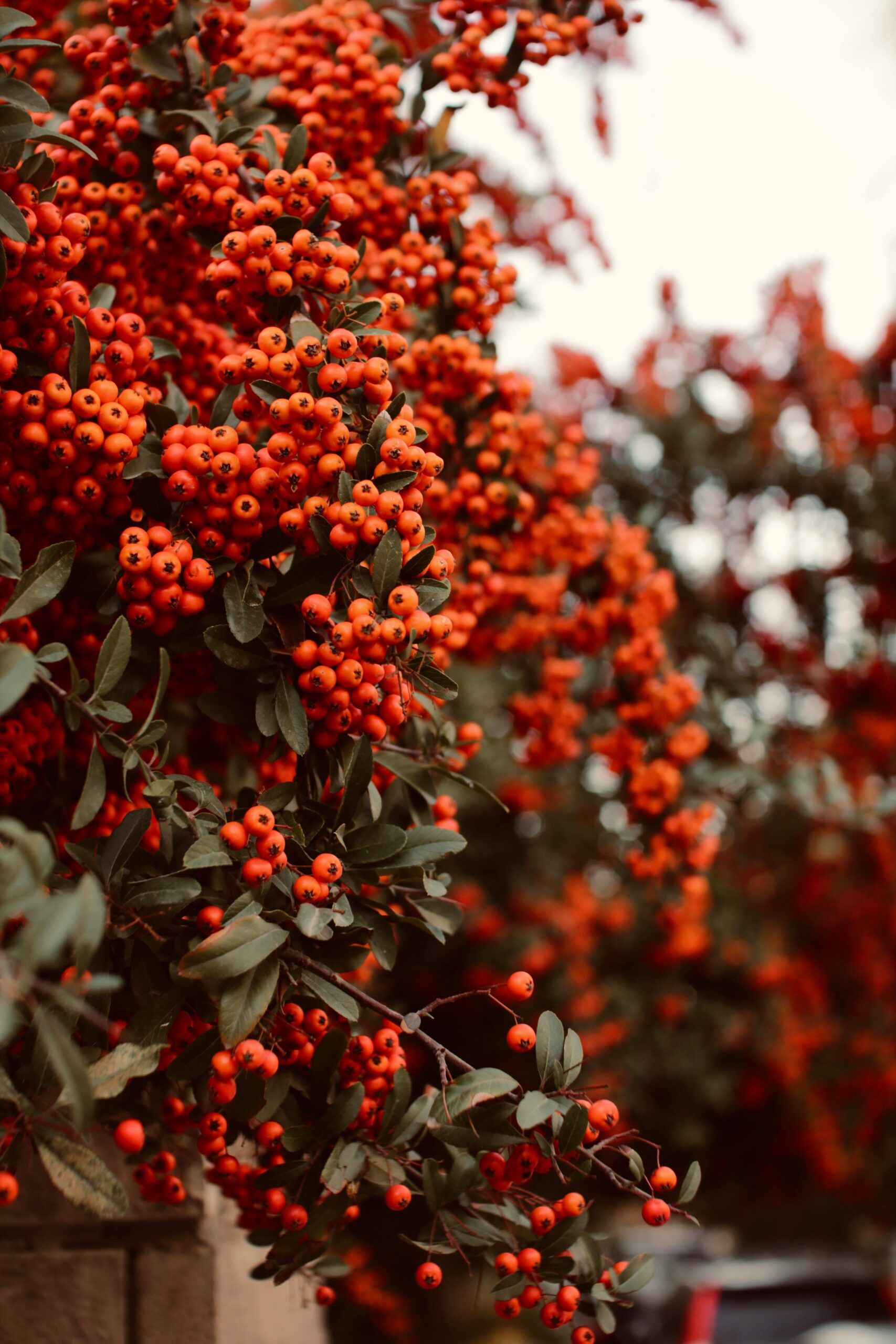 Read more: Sea Buckthorn
Sea Buckthorn
Known scientifically as Hippophae rhamnoides, and commonly called Sea Buckthorn, Seaberry, Sandthorn, Siberian pineapple, in Tibet is called Dhar-bu, Dale Chuk in Nepal, Chatsargana in Mongolia, Shaji in China, and in Himachal Pradesh is Chharma. This thorny deciduous shrub produces small, vivid orange berries that contain one of the most chemically diverse profiles among edible…
-
 Read more: Vegan Food Market Size: Growth, Projections and Forecasts
Vegan Food Market Size: Growth, Projections and Forecasts
in Vegan MarketWhen analysts refer to the global vegan food market, they are not measuring veganism itself. They are measuring a specific commercial segment: the market for manufactured plant-based products designed to replicate or replace animal-derived foods. This distinction matters, and understanding it is the right starting point for any serious analysis of market size, growth trajectories,…
-
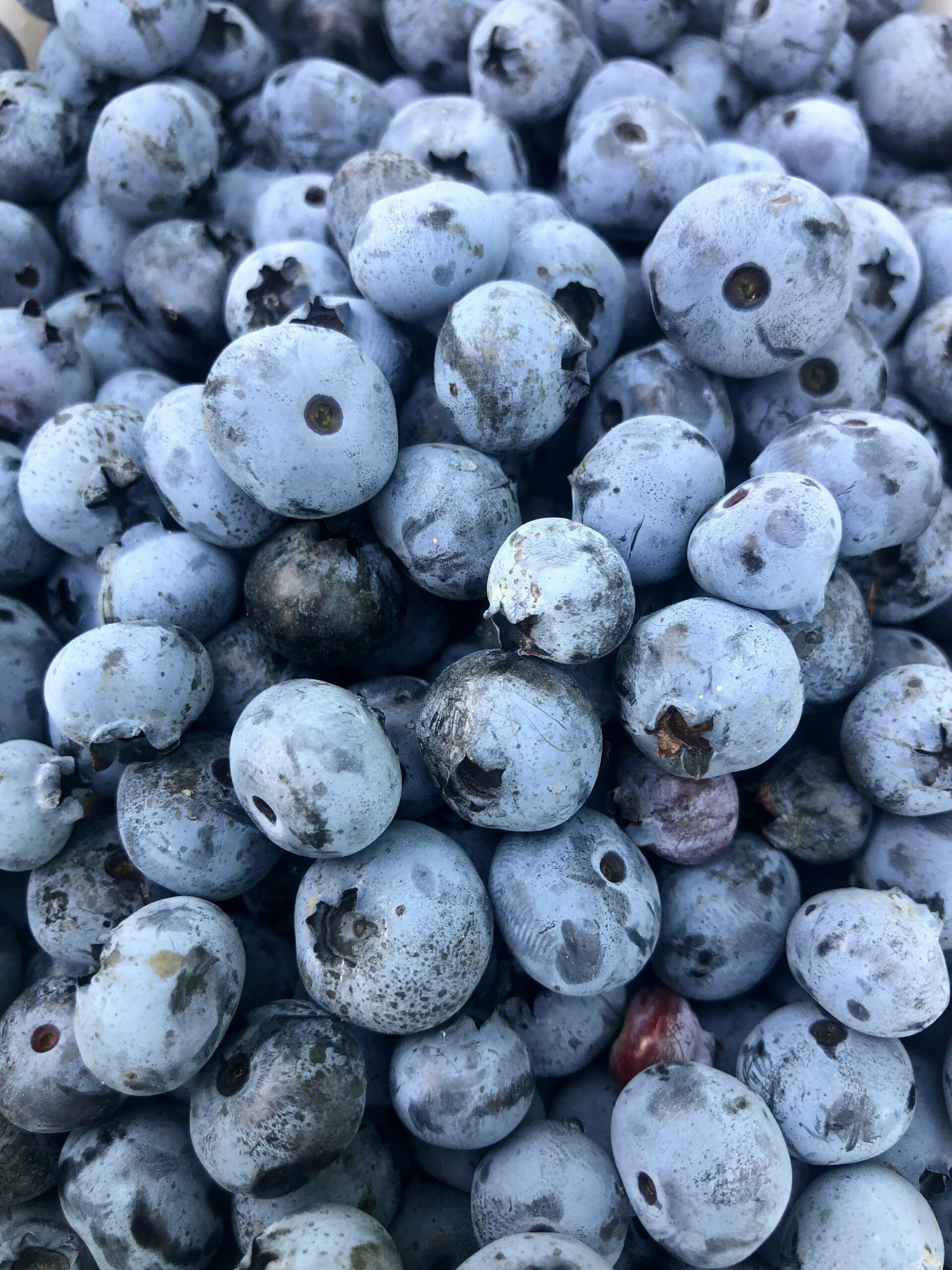 Read more: Blueberries
Blueberries
1. Botanical Profile Blueberries belong to the family Ericaceae (the heath family) and the genus Vaccinium, a large and complex group of approximately 150 species that also includes cranberries, bilberries, lingonberries, and huckleberries. Within the genus, the blueberry species consumed commercially fall under the section Cyanococcus (the cluster-fruited blueberries)¹. All are deciduous shrubs that produce…
-
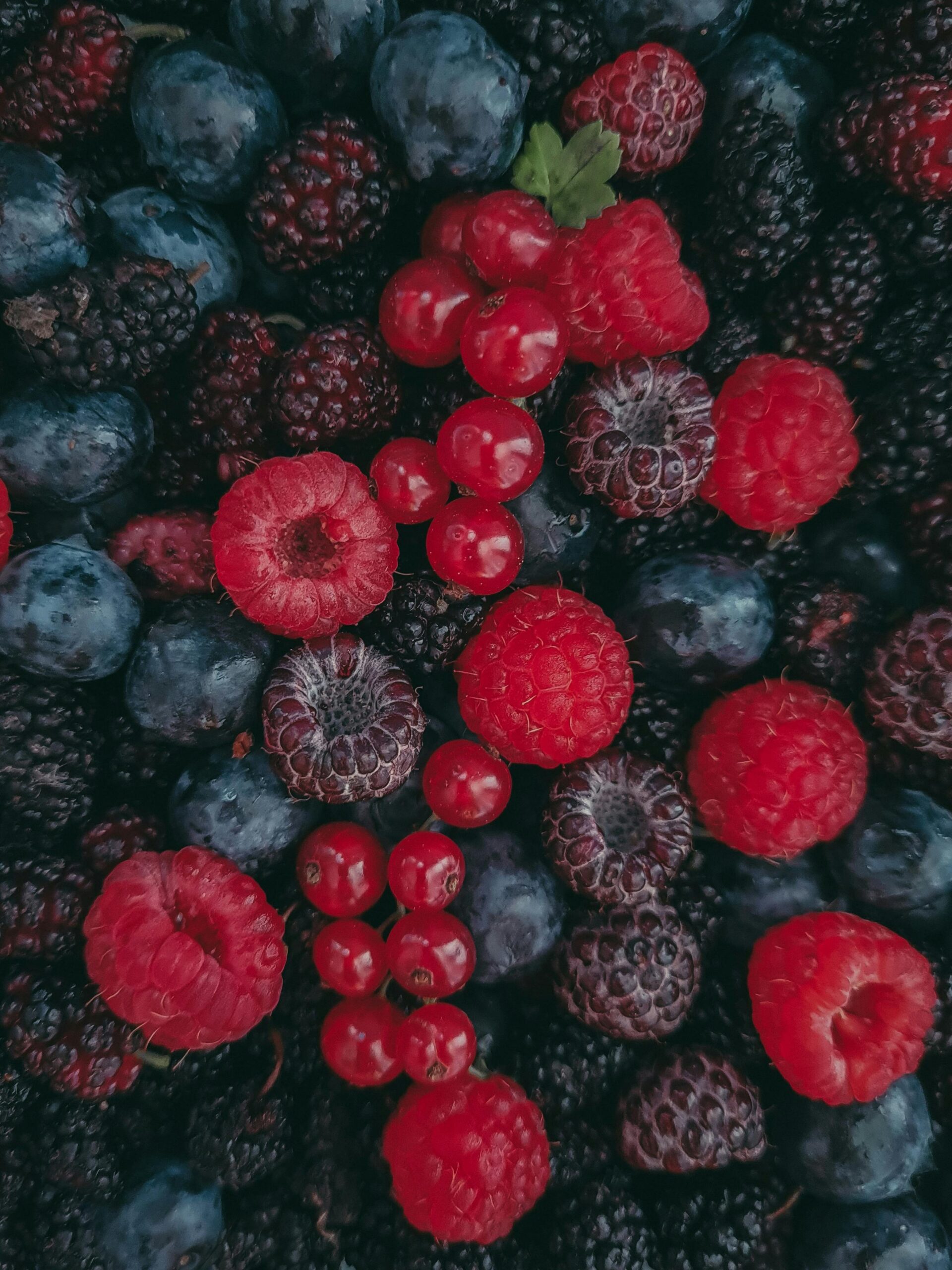 Read more: Berries and Superfruits
Berries and Superfruits
1. What Makes a Fruit a ‘Superfruit’? Walk into any health food store and you will encounter a dazzling array of powders, capsules, juices, and frozen packets labelled with the word “superfruit”. Açaí from the Amazon, maqui from Patagonia, baobab from the African savannas, goji berries from the Himalayan foothills, these names have become symbols…
-
 Read more: Endangered Species
Endangered Species
Every year, species that have existed for millions of years disappear from the planet, not through the slow, natural march of evolution, but in the blink of a geological eye. Scientists estimate that species are currently going extinct at a rate 1,000 times higher than the natural background rate that prevailed before humans became a…
-
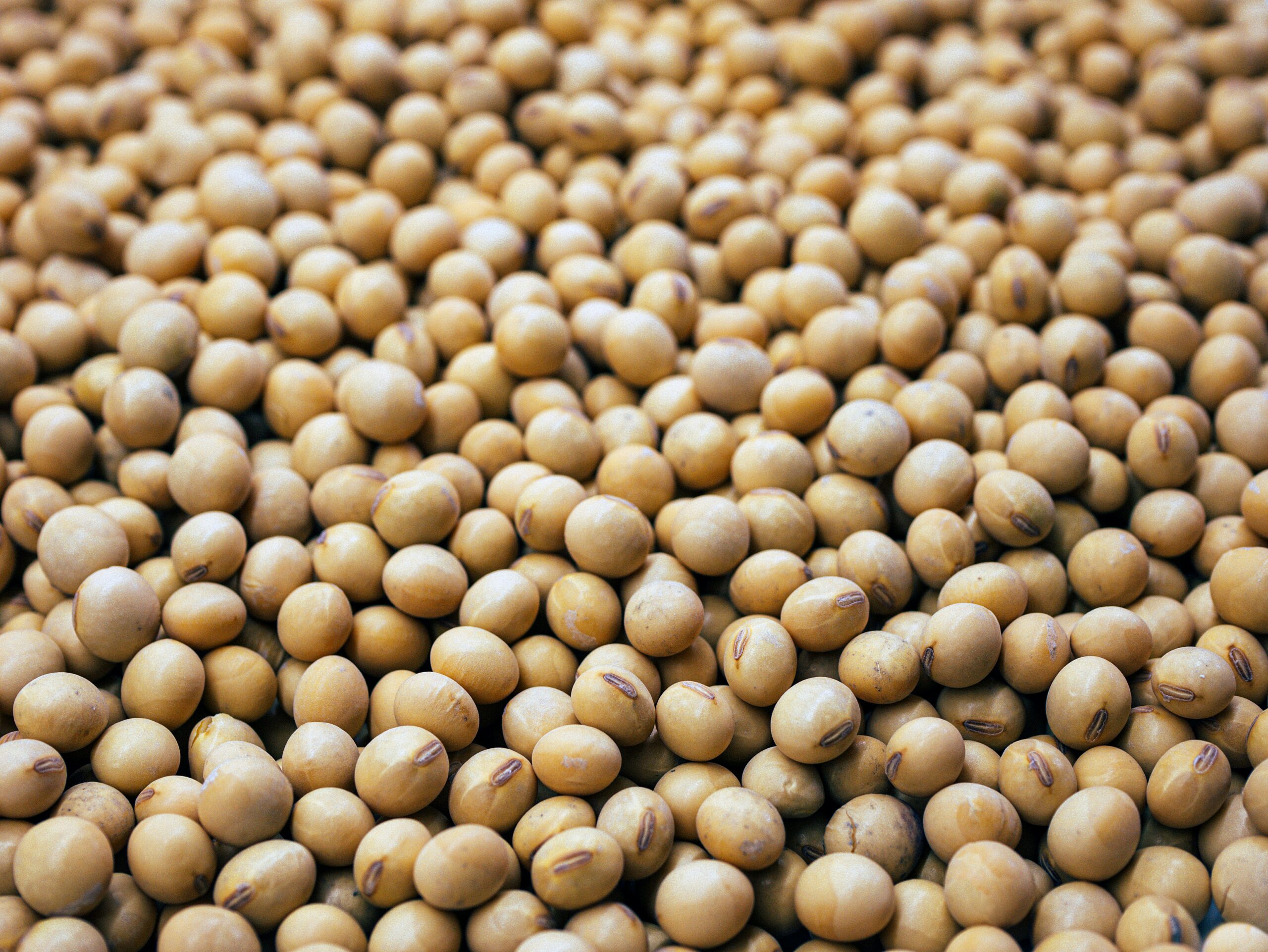 Read more: Soybeans
Soybeans
in LegumesSoybeans and Soy Foods: Tofu, Tempeh, Edamame, Miso, and Natto The soybean (Glycine max) is one of the most economically significant legumes in the modern food system. Domesticated in China approximately 2,000-5,000 years ago, it has become the world’s most widely traded legume crop, and one of the few plant foods that naturally contains all…
-
 Read more: Organic Food Market Size: Growth Projections and Forecasts
Organic Food Market Size: Growth Projections and Forecasts
1. Global Market Valuation 2024: What Verified Data Shows The most comprehensive verified benchmark for the global organic food market is the FiBL & IFOAM – Organics International World of Organic Agriculture 2026 Yearbook, published in February 2026 and presented at BioFach. Based on data collected across 183 countries from governments, certifiers, and market research…
-
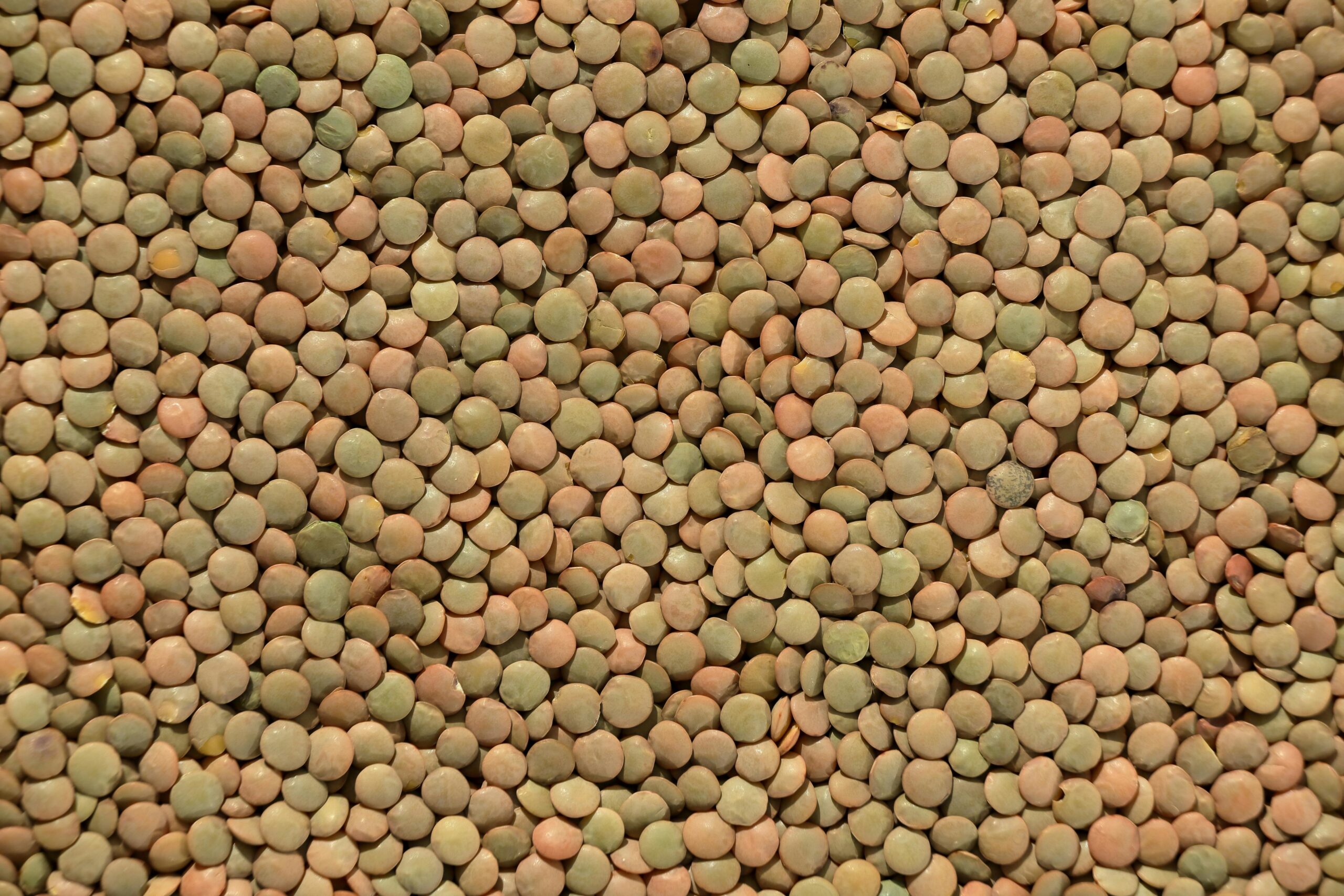 Read more: Lentils
Lentils
in LegumesFew foods combine nutritional density, environmental sustainability, and culinary versatility as seamlessly as lentils. One of the oldest cultivated crops in human history, with evidence of consumption dating back more than 9,000 years in Southwest Asia and North Africa (SWANA), lentils (Lens culinaris) have fed civilisations from ancient Egypt and Rome to the Persian Empire…
-
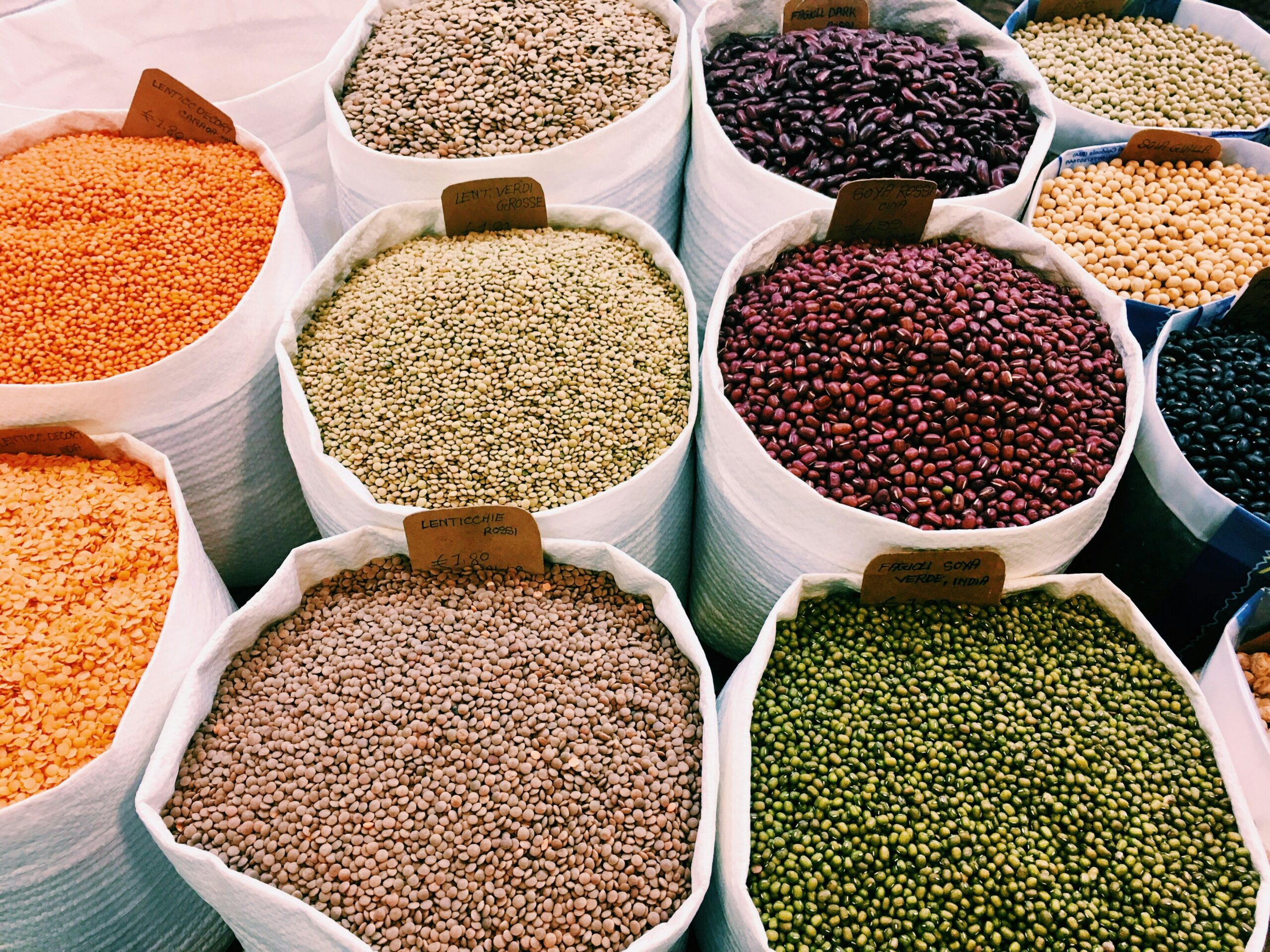 Read more: Legumes
Legumes
Few food groups in human history have contributed as much to global nutrition, agricultural sustainability, and culinary diversity as legumes. Cultivated for more than 10,000 years across Asia, the Middle East, Africa, and the Americas, these edible seeds of the Fabaceae plant family, commonly known as the pea family, form the nutritional and cultural backbone…
-
 Read more: Vegan Food Market Overview
Vegan Food Market Overview
in Vegan MarketThe market figures presented throughout this article primarily track commercially processed plant-based products: meat substitutes, dairy alternatives, plant-based eggs, and similar manufactured goods designed to replicate or replace animal-derived foods. However, they do not represent the full picture of what a vegan diet actually is. Legumes, whole grains, nuts, seeds, and an enormous variety of…
-
 Read more: Organic Food Market Overview
Organic Food Market Overview
An Overview of Market Dynamics, Production, Distribution, Consumer Trends, and Sustainability. Why the Organic Food Market Matters? The global organic food market has undergone a significant transformation over the past two decades. Once considered a niche segment catering primarily to health-conscious individuals, organic food has evolved into a mainstream phenomenon reshaping agricultural practices, retail strategies,…