
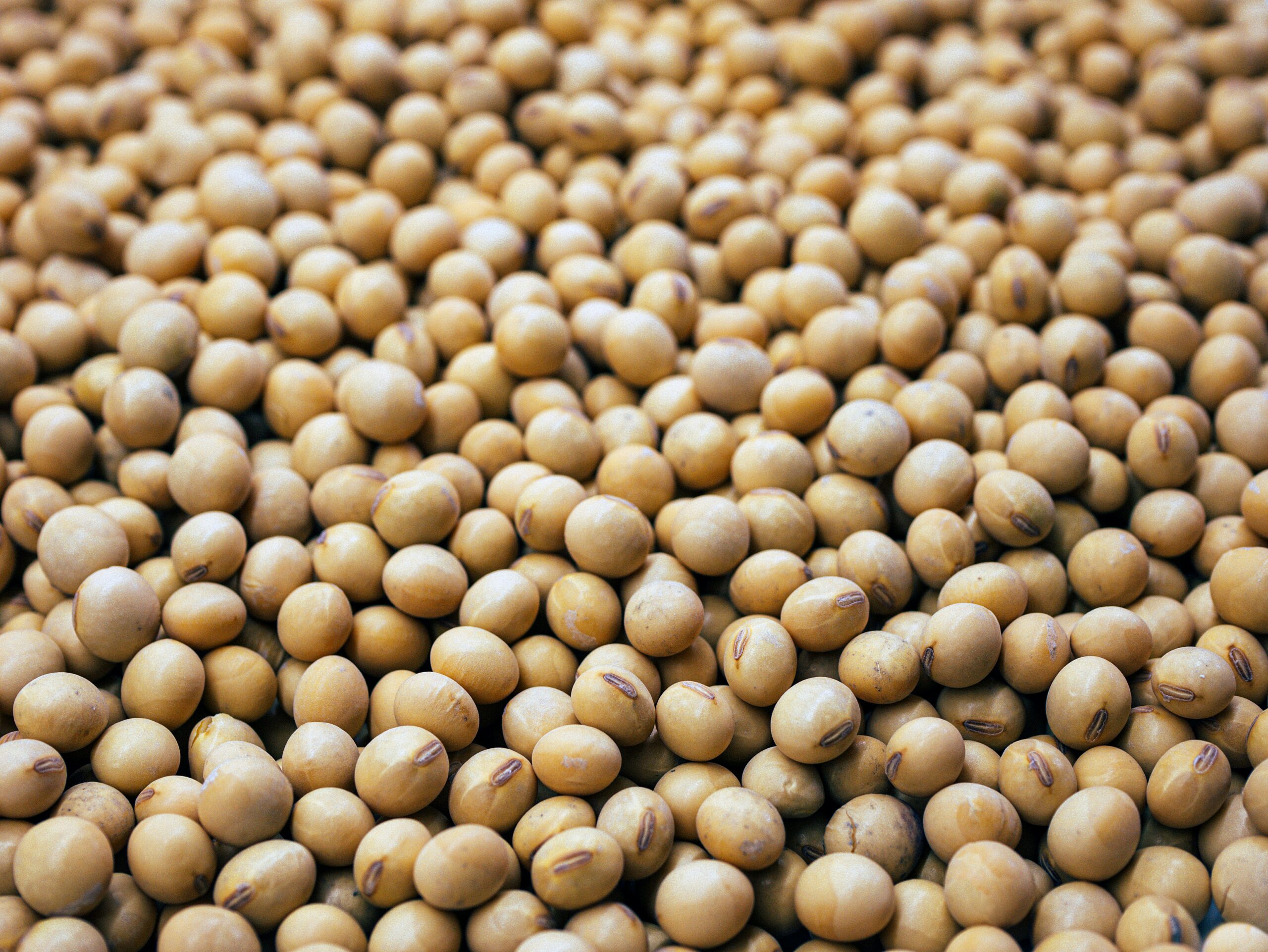
Soybeans and Soy Foods: Tofu, Tempeh, Edamame, Miso, and Natto
The soybean (Glycine max) is one of the most economically significant legumes in the modern food system. Domesticated in China approximately 2,000-5,000 years ago, it has become the world’s most widely traded legume crop, and one of the few plant foods that naturally contains all nine essential amino acids in sufficient quantities to support human protein needs, making it a complete protein by nutritional standards. Other plant-based complete proteins include quinoa, buckwheat, amaranth, chia seeds, hemp seeds, spirulina (prokaryotic), pistachios and nutritional yeast (fungus).
Today, soy exists in two broad forms: traditional whole soy foods: edamame, soy beans, tofu, tempeh, miso, and natto, and industrially processed soy derivatives, soy protein isolate (SPI), textured vegetable protein (TVP), and soy oil. The health evidence is strongest for whole soy foods, which retain the full matrix of nutrients and bioactive compounds. This article focuses primarily on these traditional forms, while also addressing the controversies that have surrounded soy’s isoflavone content.
1. Forms of Soy: A Guide to Traditional Soy Foods
The table below covers the principal traditional soy foods, their processing method, and their primary culinary roles:
| Soy food | Origin | How it is made | Texture / Flavour | Best uses |
| Edamame | East Asia | Immature soybeans, steamed/boiled in pod | Tender, slightly sweet | Snack, salads, stir-fries |
| Mature soybeans | East Asia | Dried whole beans, soaked and boiled | Firm, dense, nutty | Soups, stews, stir-fries, roasted snacks |
| Tofu | China (~200 BCE) | Coagulated soy milk, pressed into blocks | Silken to extra-firm; neutral flavour | Stir-fries, soups, desserts, scrambles |
| Tempeh | Indonesia (~1600s) | Whole soybeans fermented with Rhizopus mould | Firm, dense, nutty, slightly earthy | Grilled, sliced, stews, sandwiches |
| Miso | Japan | Soybeans fermented with koji mould + salt | Paste; umami-rich, salty, complex | Soups, marinades, dressings, glazes |
| Natto | Japan | Whole soybeans fermented with Bacillus subtilis | Sticky, pungent, strong flavour | Traditional Japanese breakfast with rice |
| Soy milk | China | Ground soybeans in water, strained | Liquid; mild, slightly beany | Dairy alternative, smoothies, baking |
Sources: PMC — The health effects of soy (2022); EUFIC (2024); Harvard Nutrition Source (2024).
2. Nutritional Profiles by Soy Food
Soy foods differ so substantially in their composition depending on the processing method. The chart below presents values per 100g for the main whole soy foods:
Per 100 g · USDA FoodData Central SR Legacy · Select a nutrient to compare all six soy foods
Source: USDA FoodData Central SR Legacy · All values per 100 g · ¹ Tofu calcium = calcium-sulphate set . nigari-set ≈ half this value · ² Miso sodium capped at 2× DV in chart; real value ~3,728 mg shown in tooltip · % DV based on FDA 2,000 kcal/day reference · No official DV for sugars
Several nutritional highlights stand out across the soy food family. Tempeh delivers the highest protein density (18.5g/100g) and is the richest in iron. Edamame provides the highest fibre content and is one of the few soy foods consumed fresh. Miso is the highest in sodium (typically 1,500-2,000mg/100g) due to its fermentation process ,a consideration for those monitoring salt intake. Soy’s fat profile is notably heart-healthy: it is rich in polyunsaturated fatty acids, including omega-6 linoleic acid and alpha-linolenic acid (ALA, an omega-3 precursor), while being naturally low in saturated fat and entirely cholesterol-free.
Critically, soy protein is a complete protein, it provides all nine essential amino acids including adequate lysine, which is otherwise limiting in most other plant proteins. It is worth noting that protein quality also depends on digestibility: soy has a high PDCAAS (Protein Digestibility Corrected Amino Acid Score), though diet context and overall amino acid balance still matter. This makes soy foods particularly valuable for those following exclusively plant-based diets, as reviewed in PMC — Soy and Gastrointestinal Health (2023).
3. Isoflavones: What the Science Actually Shows
No discussion of soy is complete without addressing isoflavones, plant compounds (genistein, daidzein, glycitein) that have a structural similarity to oestrogen and can bind, weakly, to oestrogen receptors. This property has generated decades of research, public debate, and sometimes contradictory headlines. The current scientific consensus, as summarised by the Harvard T.H. Chan School of Public Health, is considerably more nuanced than either the alarmist or the promotional framing suggests.
- Breast cancer risk: Contrary to early concerns that isoflavones might stimulate oestrogen-sensitive tumours, large-scale epidemiological evidence generally does not support a harmful effect of whole soy food consumption. A 2022 meta-analysis found an association between higher soy isoflavone intake and lower breast cancer risk. However, this association is stronger and more consistent in populations where soy has been a longstanding dietary staple, and less consistent, or absent, in populations where soy is a more recent dietary introduction. A meta-analysis in PLOS ONE (2014, PMC) covering 35 studies confirmed protective associations in countries with traditional soy consumption, but found no statistically significant association in other countries cohorts. A further updated meta-analysis in Nutrients (2022) identified both population and study design as significant sources of heterogeneity across the literature. It is important to note that these are observational associations, not established causal relationships, and the evidence continues to evolve.
- Prostate cancer: Multiple meta-analyses of observational studies have found a statistically significant association between soy food consumption and reduced prostate cancer risk. A systematic review and meta-analysis published in Nutrients – PMC (2018), covering 30 studies, found that total soy food intake, genistein, and daidzein were each significantly associated with lower prostate cancer risk. As with breast cancer, this is an observational association and causal mechanisms require further investigation. Notably, fermented soy food intake and circulating isoflavone levels did not show significant associations in the same analysis, underscoring the complexity of the relationship.
- Male hormones and fertility: Multiple meta-analyses of clinical studies have found no meaningful effect of moderate soy food consumption on testosterone or oestrogen levels in men. A 2021 expanded meta-analysis in Reproductive Toxicology covering 38 clinical studies found no effects on total testosterone, free testosterone, or estradiol at typical dietary intake levels. An earlier meta-analysis in Fertility and Sterility (2010) reached consistent conclusions. On sperm quality, the evidence is less clear-cut: one observational study found an inverse association between soy intake and sperm concentration, but subsequent studies in IVF settings found no effect on fertilisation rates or embryo quality. The isoflavone concentrations achieved through typical dietary intake are well below those associated with hormonal effects in case reports, which generally involved exceptionally high supplement doses.
- Thyroid function: Soy isoflavones can modestly inhibit thyroid peroxidase (TPO), the enzyme involved in thyroid hormone synthesis, as documented in a systematic review and meta-analysis in Scientific Reports (2019). For individuals with adequate iodine intake and normal thyroid function, the available evidence, including the EFSA’s 2015 risk assessment and multiple clinical trials, does not indicate that soy isoflavones adversely affect thyroid hormone levels (fT3 or fT4), though a 2019 systematic review noted a marginally significant increase in TSH whose clinical relevance remains unclear. Regarding levothyroxine (used to treat hypothyroidism): several case reports have suggested possible interference with tablet absorption, though the only prospective randomised controlled trial found no significant difference in levothyroxine pharmacokinetics when taken alongside soy isoflavones, as reviewed in a 2023 narrative review in Endocrine Practice. As a precaution, those taking levothyroxine are generally advised to separate soy consumption from medication timing by several hours.
- Menopause symptoms: Multiple RCTs and meta-analyses have found that soy isoflavones produce a statistically significant and clinically meaningful reduction in the frequency and severity of hot flushes. A meta-analysis of 19 RCTs published in Menopause (2012) found reductions of 20.6% in frequency and 26.2% in severity compared to placebo. A model-based meta-analysis in PMC (2015) estimated a maximal reduction of 25.2% after accounting for the placebo effect, notably, this effect builds slowly, with at least 12-16 weeks needed to see the full benefit. The effect is smaller than hormone replacement therapy (HRT) but represents a clinically relevant, non-pharmacological option for women seeking alternatives.
4. Evidence-Based Health Benefits
4.1 Cardiovascular Health
Whole soy food consumption is associated with meaningful cardiovascular benefits. A 2023 systematic review and meta-analysis published in Nutrients found that soy consumption was associated with reduced LDL cholesterol and lower risk of type 2 diabetes and cardiovascular disease. The mechanisms include the effect of soluble soy fibre on bile acid excretion, the anti-inflammatory activity of isoflavones, and the favourable fat profile, rich in polyunsaturated fatty acids while very low in saturated fat.
4.2 Bone Health
Epidemiological data from Asian populations, where traditional whole soy foods are dietary staples, show a positive association between soy food intake and bone mineral density, as well as lower fracture risk. Research in PMC (2010) documents these associations across large cohort studies, including one of 63,000 Singaporean adults. The mechanisms involve both isoflavone-mediated effects on oestrogen receptors in bone and the direct bone-supporting nutrients in soy, including calcium (especially in calcium-set tofu and fortified soy milk), magnesium, and zinc.
4.3 Gut Microbiome and Digestive Health
Soy oligosaccharides (raffinose and stachyose) act as prebiotics, selectively stimulating the growth of beneficial gut bacteria including Bifidobacteria and Lactobacilli. Some fermented soy foods, particularly traditionally prepared tempeh and natto, may additionally supply live microorganisms with potential probiotic activity. However, it is worth noting that many commercially available products, including most miso sold in Western markets, are pasteurised or heat-treated before consumption, which reduces or eliminates live bacterial content. A narrative review in PMC (2023) concludes that soy consumption may reduce colorectal cancer risk partly through its effects on gut microbiome composition, though the evidence is not yet conclusive.
4.4 Cognitive Function
Fermented soy foods, particularly tempeh, miso, and natto, have attracted interest for their potential effects on neurological health. The Harvard Nutrition Source (2024) notes that fermented soy foods contain isoflavones and beneficial bacteria that may support cognitive function and could be relevant to the risk of conditions such as Alzheimer’s and Parkinson’s disease. However, it is important to be clear that the human evidence in this area remains preliminary and largely observational or mechanistic, no causal conclusions can be drawn at this stage, and further clinical research is needed before firm recommendations can be made.
4.5 Sports Nutrition and Muscle Maintenance
As a complete protein with a high PDCAAS (Protein Digestibility Corrected Amino Acid Score), soy protein supports muscle protein synthesis comparably to whey protein for most purposes. A 2023 systematic review of RCTs found that soy protein supplementation positively influenced muscle adaptation and antioxidant status in active individuals. For athletes following plant-based diets, whole soy foods and soy protein concentrates are evidence-supported tools for meeting protein requirements and supporting recovery.
5. Recommended Intake
The EUFIC and several national dietary guidelines support consuming 1-3 servings of whole soy foods per day as a reasonable target, corresponding to approximately 15-25g of soy protein or 50-100mg of isoflavones daily. This intake level is broadly consistent with traditional East Asian dietary patterns and is generally associated with health benefits without documented risks for most adults, though optimal intake may vary by population, age, and individual health context. A practical serving guide:
| Soy food | 1 serving | Approx. soy protein |
| Edamame (shelled) | ½ cup (75g) | ~9g |
| Firm tofu | 100g | ~9g |
| Tempeh | 80g | ~15g |
| Soy milk (fortified) | 240ml (1 glass) | ~7-8g |
| Miso | 1 tbsp (~17g) | ~2g |
6. Culinary Guide: How to Use Soy Foods
Tofu
- Silken tofu: Ideal for blending into smoothies, sauces, desserts (chocolate mousse, cheesecake), and soups. High water content, do not attempt to fry.
- Firm / Extra-firm tofu: Press for 20-30 minutes to remove excess water before cooking. Marinate for at least 30 minutes for maximum flavour penetration. Pan-fry, bake at 200°C until crispy, or crumble as a scrambled egg substitute. Absorbs sauces very well.
- Freezing tip: Freezing and thawing tofu creates a chewier, more porous texture that absorbs marinades more readily, ideal for grilling or barbecuing.
Tempeh
- Steam first: Steaming tempeh for 10 minutes before cooking removes any bitterness and opens the pores for better marinade absorption.
- Slice and grill: Marinated tempeh slices are excellent grilled, pan-fried, or baked. Works well as a sandwich filling or protein component in grain bowls.
- Crumble: Crumbled tempeh makes a convincing meat substitute in tacos, pasta sauces, and stir-fries.
Edamame
- Steamed in pod: Steam for 4-5 minutes, sprinkle with flaky sea salt. Serve as a snack or starter, one of the easiest, most nutritious finger foods available.
- Shelled: Add to stir-fries, rice dishes, salads, and pasta in the last few minutes of cooking. Frozen shelled edamame is nutritionally equivalent to fresh.
Mature Soybeans
- Boiled whole: Soak dried soybeans overnight (8-12 hours), then boil for 60-90 minutes until tender. Use in soups, stews, grain bowls, or as a side dish seasoned with soy sauce and sesame oil.
- Roasted soynuts: Soaked, dried soybeans can be oven-roasted at 180°C for 45-60 minutes for a crunchy, high-protein snack. Season with sea salt, tamari, or spices.
- Nutritional note: Mature soybeans have the highest fibre and iron content of all soy forms, and retain the full complement of isoflavones. They are the closest representation of the whole bean in its most unprocessed state.
Miso
- Never boil: Miso loses its beneficial bacterial cultures and some of its flavour complexity at high temperatures. Add to soups after removing from heat, or dissolve in warm (not boiling) water.
- Versatile base: White miso (shiro) is milder and sweeter, ideal for dressings and light soups. Red miso (aka) is more intense and earthy, excellent in marinades, stews, and glazes.
Natto
- Traditional serving: Stir vigorously with soy sauce and mustard until sticky strings form, then serve over hot rice. The polarising texture and aroma require some acclimatisation for unaccustomed palates.
- Nutritional note: Natto is one of the richest food sources of vitamin K2 (MK-7 form) and the nattokinase enzyme, both associated with cardiovascular and bone health benefits not found in other soy foods.
7. Precautions and Special Considerations
- Soy allergy: Soy is classified as one of the major food allergens in the EU, USA, and most regulatory frameworks. Symptoms range from mild (hives, digestive upset) to severe (anaphylaxis). Most children who develop soy allergy outgrow it before adulthood, but adult-onset soy allergy also occurs. Individuals with diagnosed soy allergy must avoid all soy-containing foods and products.
- Thyroid medication: Soy can reduce the absorption of levothyroxine (a thyroid hormone replacement). If you take this medication, avoid consuming soy foods within 3-4 hours of your dose, and discuss with your endocrinologist.
- Hormone-receptor-positive breast cancer: Although dietary soy foods appear safe and potentially beneficial even for breast cancer survivors based on large prospective studies, isoflavone supplements are not equivalent to dietary soy. Supplemental isoflavones in women with hormone-receptor-positive breast cancer should be discussed with an oncologist.
- GMO considerations: Approximately 94% of soybeans grown in the USA are genetically modified. Consumers seeking to avoid GMO soy should choose certified organic or non-GMO labelled products. Current scientific consensus from organisations including the WHO and EFSA indicates that approved GMO foods are safe for consumption, though consumer preference for non-GMO soy is respected in the organic and natural food sectors.
- Digestive sensitivity: The oligosaccharides in soy (raffinose, stachyose) can cause bloating in sensitive individuals. Fermented soy foods (tempeh, miso, natto) have reduced oligosaccharide content and are generally better tolerated. Edamame tends to cause fewer digestive issues than mature soy products.
8. Sustainability: A Necessary Nuance
Soy has a complex sustainability profile that requires honest contextualisation. As a direct food source (whole soy foods for human consumption), soybeans are among the most efficient converters of land and water into dietary protein. However, approximately 85% of global soybean production is used not for human food but for animal feed, particularly for poultry, pigs, and farmed fish. This is the primary driver of soy-linked deforestation in the Amazon and Cerrado biomes of Brazil and Argentina.
Crucially, consuming tofu, tempeh, or edamame does not drive the same deforestation dynamics as consuming meat from animals raised on soy. Estimates consistently indicate that the land required to produce soy protein for direct human consumption is substantially lower, often cited as several times less, than the land required to produce an equivalent amount of animal protein via soy-fed livestock (exact ratios vary depending on production methods and system boundaries), as documented by the Oxford Martin School. Choosing certified organic or ProTerra or RTRS-Certified soy products further supports responsible sourcing.
9. Conclusion
Soybeans and the family of traditional foods they generate: edamame, tofu, tempeh, miso, natto, and mature whole beans, stand out as a source of complete protein, heart-healthy fats, prebiotic fibre, and a broad spectrum of essential micronutrients.
The research on isoflavones remains one of the most active areas in nutritional science. What has emerged so far is encouraging in several respects: associations with cardiovascular health, bone density, and certain cancer risks point in a broadly positive direction, and concerns that were once prominent, particularly around hormonal disruption, have not been borne out by the clinical evidence at typical dietary intake levels. At the same time, the picture is not yet complete. Some associations remain inconsistent across populations, and causal mechanisms are still being established.
The most consistent finding across decades of research is also the most practical: whole, minimally processed soy foods are where the evidence is strongest and the uncertainties are fewest.
From a sustainability standpoint, whole soy foods for direct human consumption are among the more resource-efficient sources of dietary protein available, provided sourcing is responsible.
For context on where soybean fit within the broader legume family, see our article: Legumes.
Choose a soy food, enter your serving weight, and see the exact nutrients with % Daily Reference Value
─────────────────────────────
This article is part of Bem Bloom’s Legumes series. All information is provided for informational purposes and is not a substitute for professional medical or nutritional advice.