
Category: Cruciferous Vegetables
-
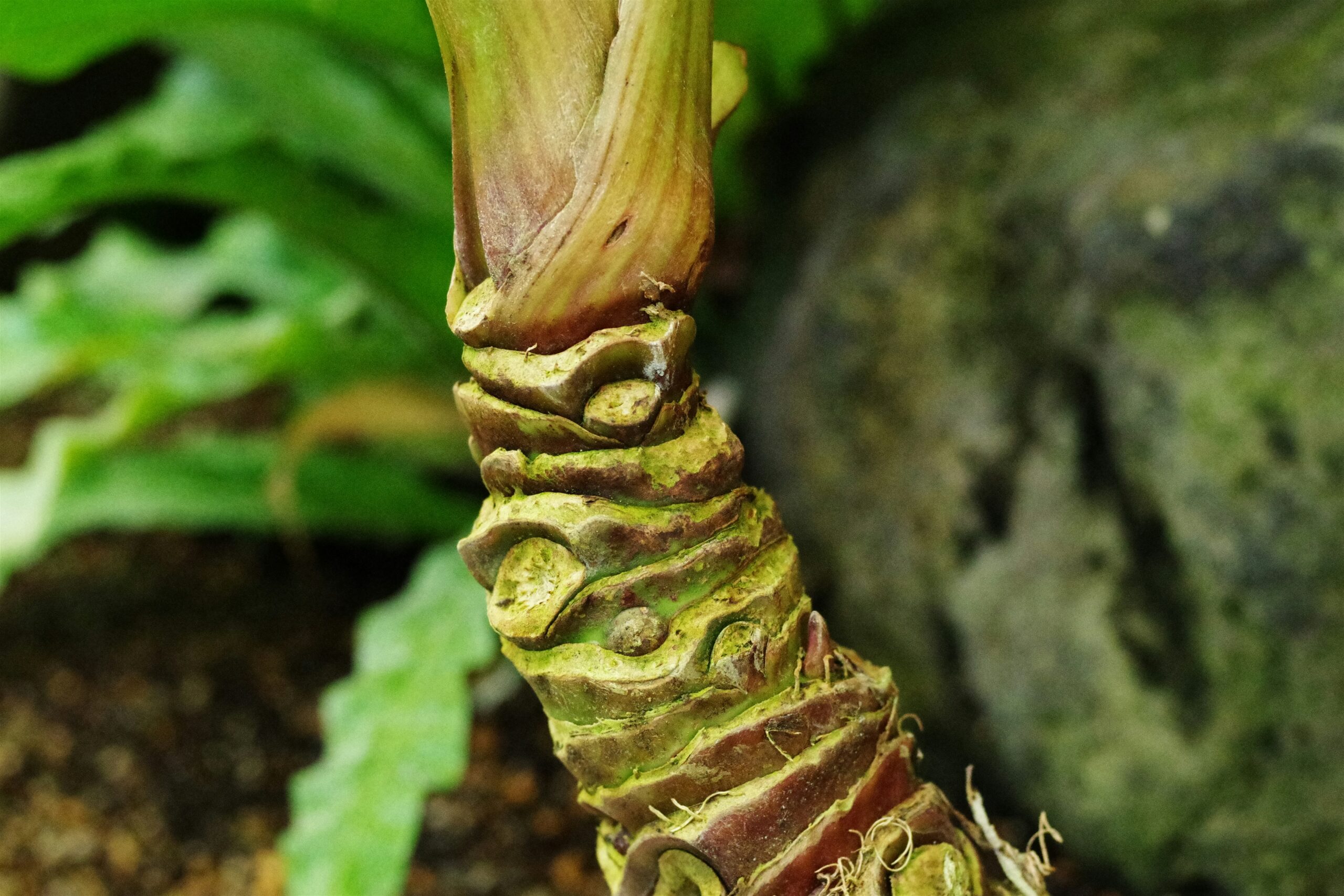
Wasabi
Read more: WasabiFew ingredients are as widely recognised, and as widely misrepresented, as wasabi. The vivid green paste served beside sushi worldwide is overwhelmingly an imitation built on horseradish, mustard and food colouring; authentic wasabi, the freshly grated rhizome of Eutrema japonicum, remains a rarity even in Japan. Its scarcity is not marketing: the plant is one…
-
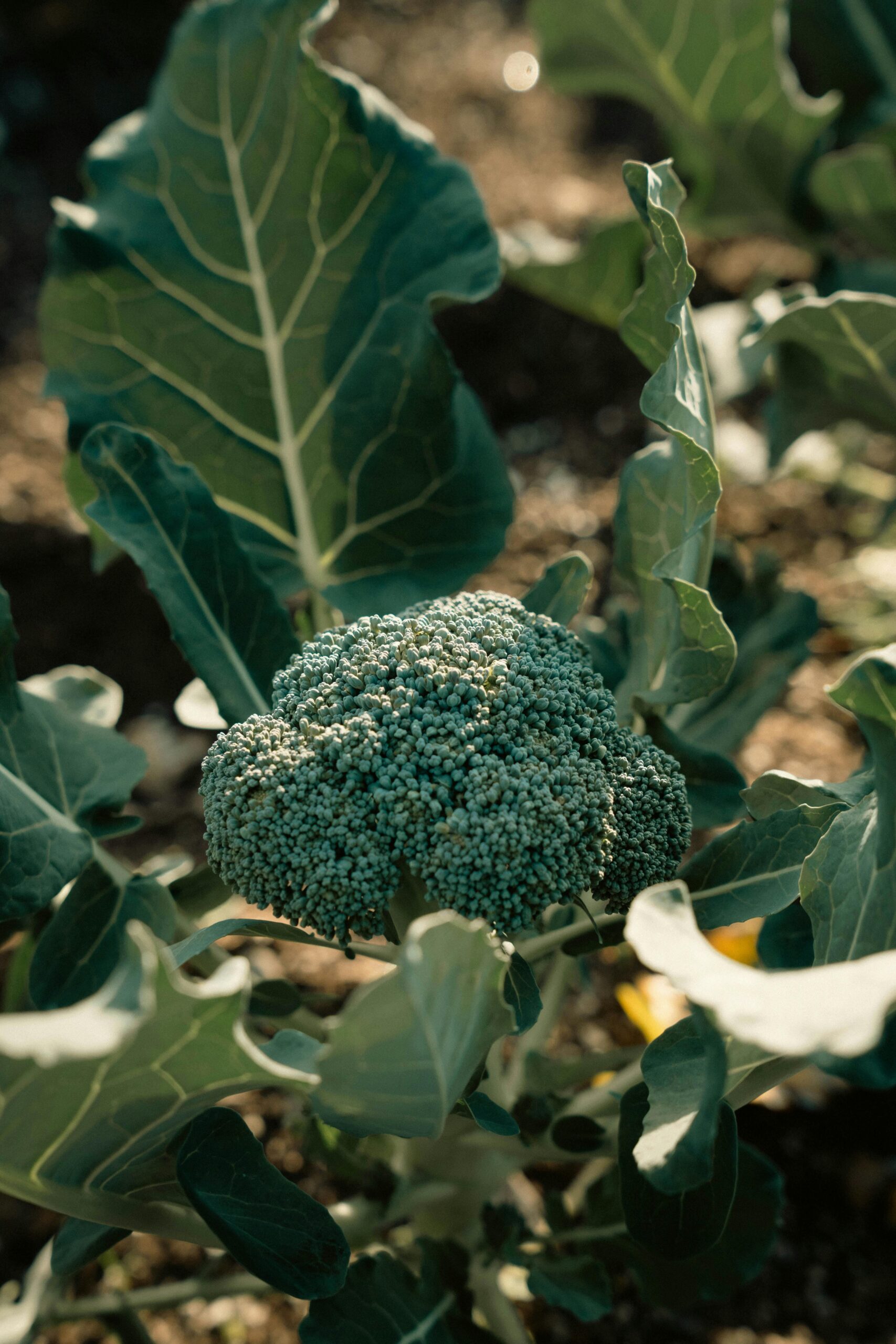
Broccoli
Read more: Broccoli1. Botanical Profile and Origins Broccoli belongs to the species Brassica oleracea, the same species that gave rise to cabbage, cauliflower, kale, Brussels sprouts, kohlrabi, and collard greens. These are not merely close relatives but cultivar groups of a single highly plastic species, each selectively bred for a different edible part. Broccoli, classified as B.…
-

Cruciferous Vegetables
Read more: Cruciferous VegetablesFrom broccoli and kale to watercress and radishes, these plants share a distinctive biochemical signature that sets them apart from virtually every other food category: a high concentration of glucosinolates, sulphur-containing phytochemicals that convert into potent bioactive compounds when the plant cells are physically disrupted. The word “cruciferous” itself comes from the Latin Crucifera, meaning…