
Category: Ingredient Profiles
-
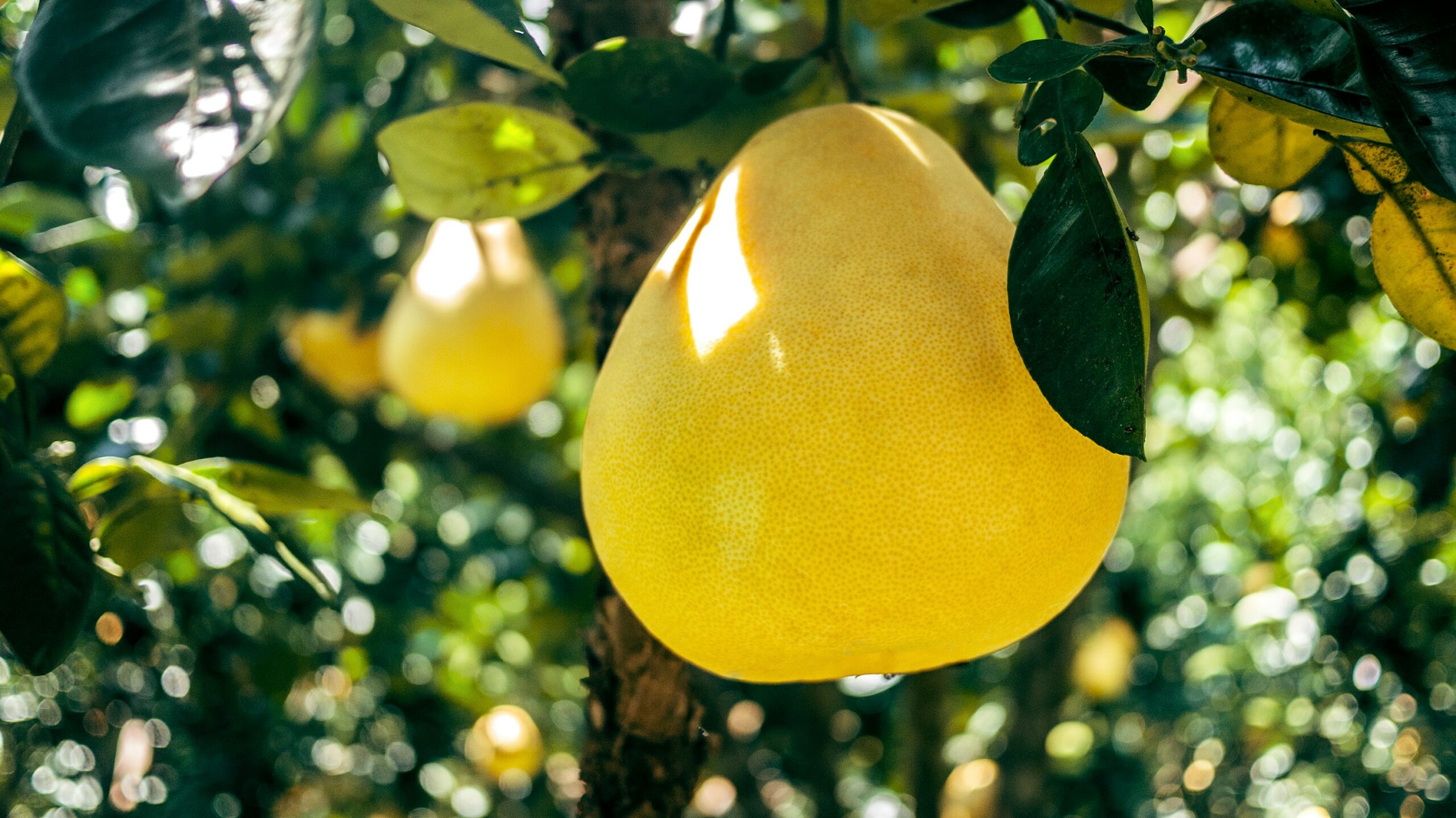
Pomelo
Read more: Pomelo1. An Ancestral Citrus, Not a Hybrid Most of the citrus on a European or American supermarket shelf: the navel orange, the Persian lime, the Eureka lemon, the ruby grapefruit, are interspecific hybrids of comparatively recent agricultural history. Pomelo is not. Citrus maxima is one of the three ancestral, non-hybrid citrus species identified by whole-genome…
-
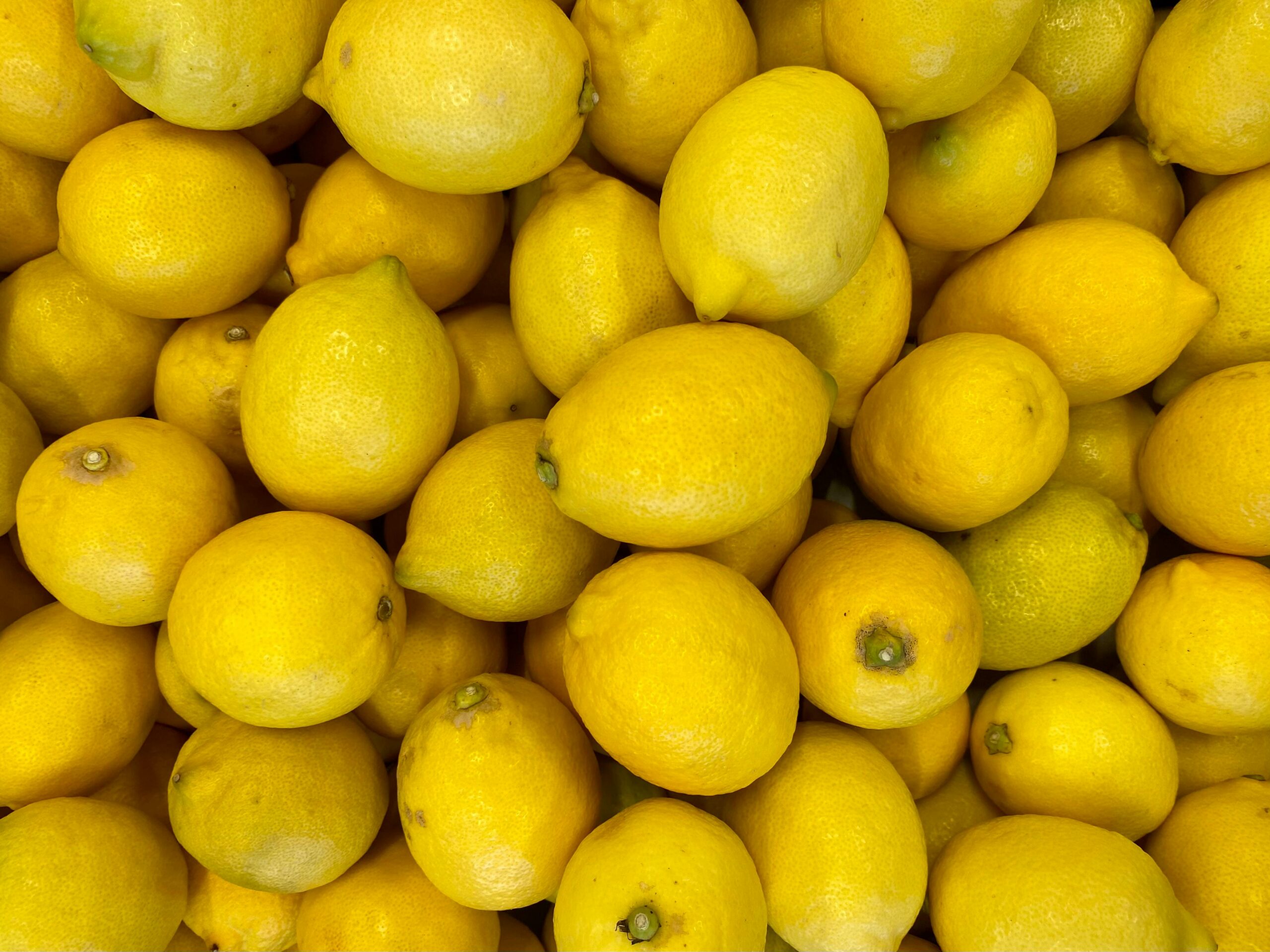
Lemon
Read more: Lemon1. Botanical Profile and Origin Lemon (Citrus limon) is not an ancestral species but a hybrid of citron (Citrus medica) and sour orange (Citrus × aurantium), the latter itself a pomelo × mandarin admixture. Whole-genome analyses by Wu et al. (2018, Nature) strongly support this hybrid ancestry, the lemon genome derives predominantly from citron and…
-
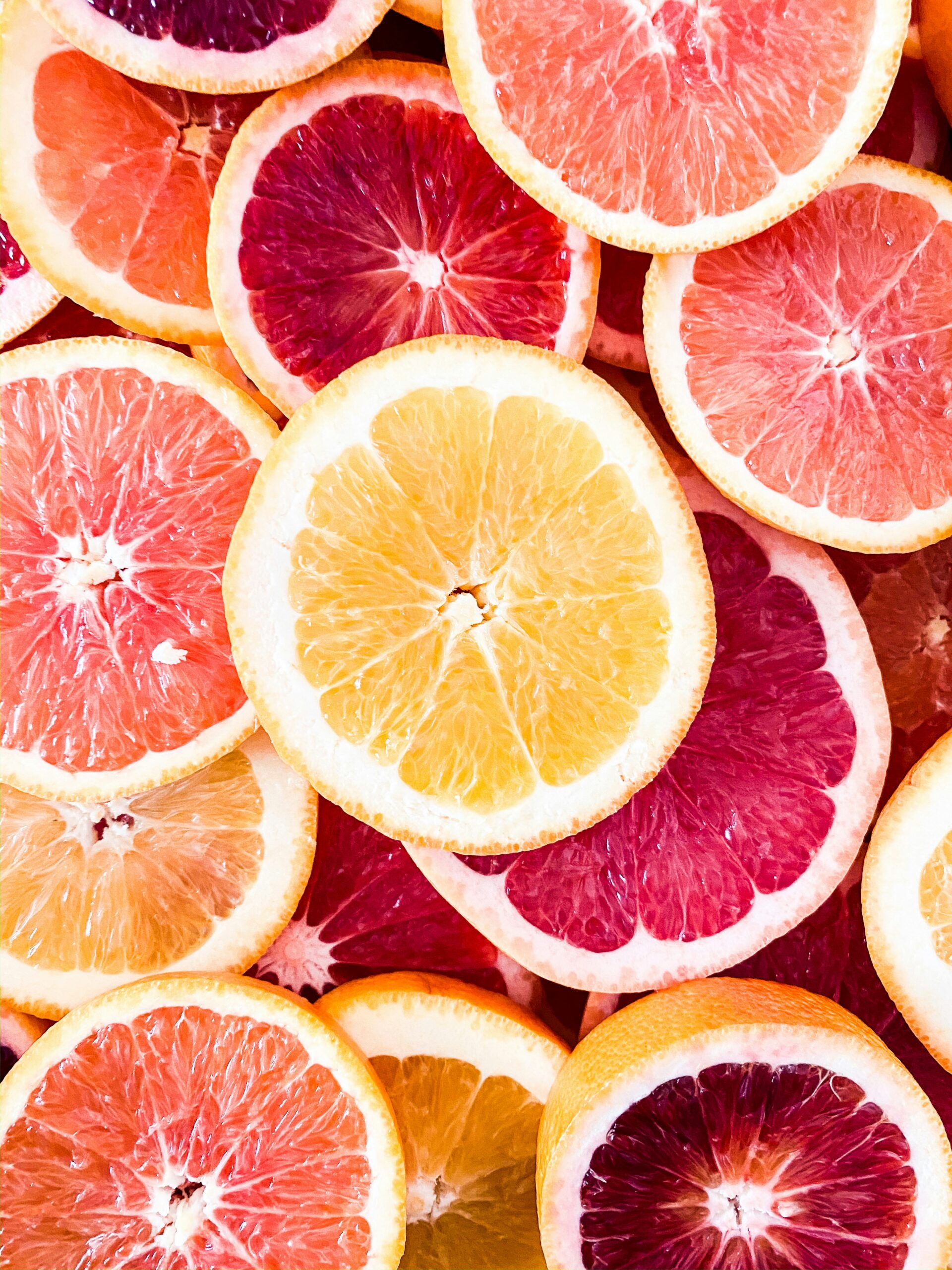
Citrus Fruits
Read more: Citrus FruitsToday, with global citrus output above 158 million tonnes across more than 140 countries annually, citrus is among the most widely consumed fruit groups on earth and among the world’s largest fresh-fruit categories by production and trade volume. Beyond their commercial weight, citrus fruits has: a remarkable botanical history that genomics has only recently clarified;…
-
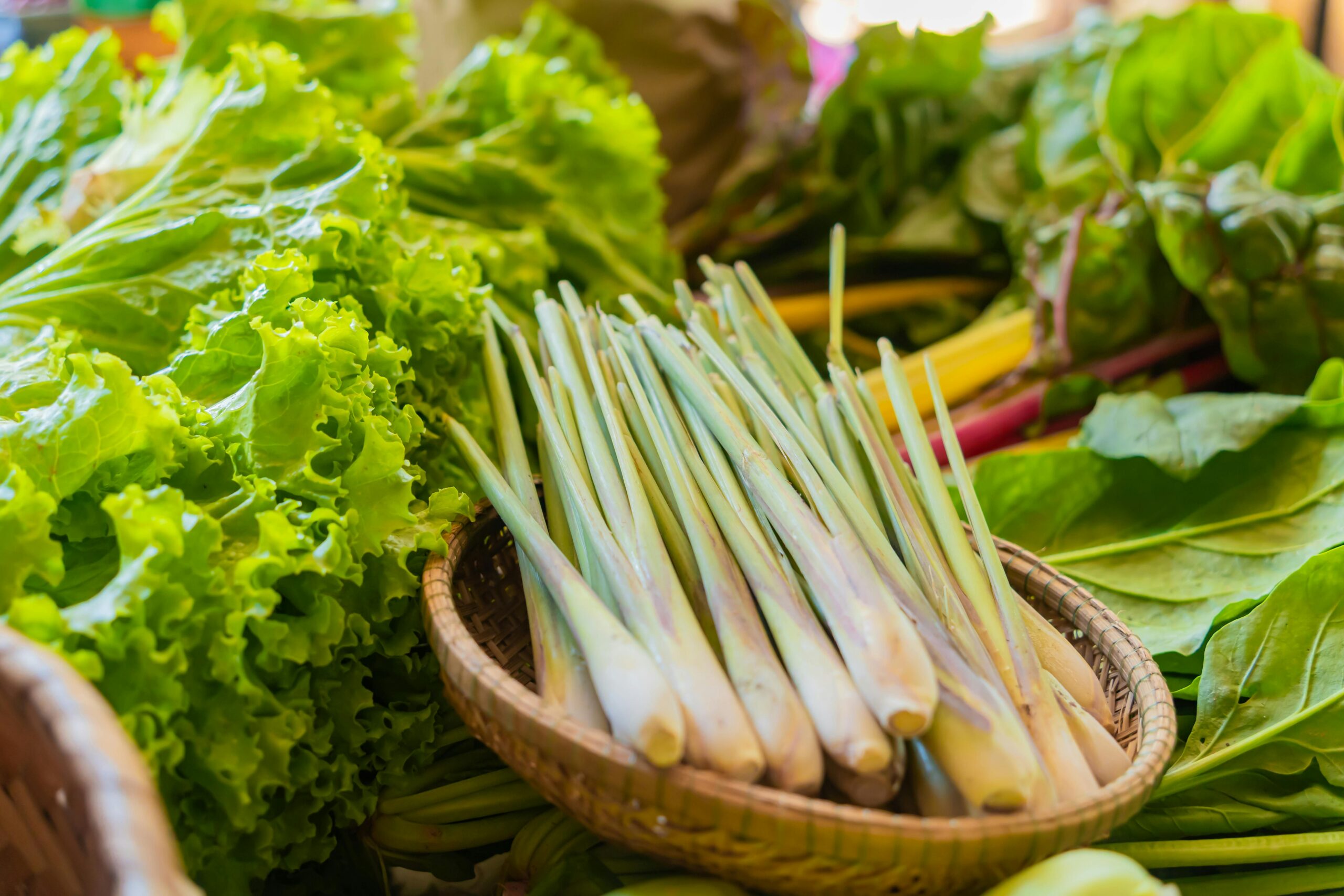
Lemongrass
Read more: Lemongrass1. Botanical Profile Cymbopogon citratus (DC.) Stapf is a tall, perennial, densely tufted grass native to South and Southeast Asia. It belongs to the genus Cymbopogon, which contains around 55 species of fragrant grasses, and to the family Poaceae, the same botanical family as wheat, rice and bamboo. As a culinary herb, lemongrass is unusual:…
-
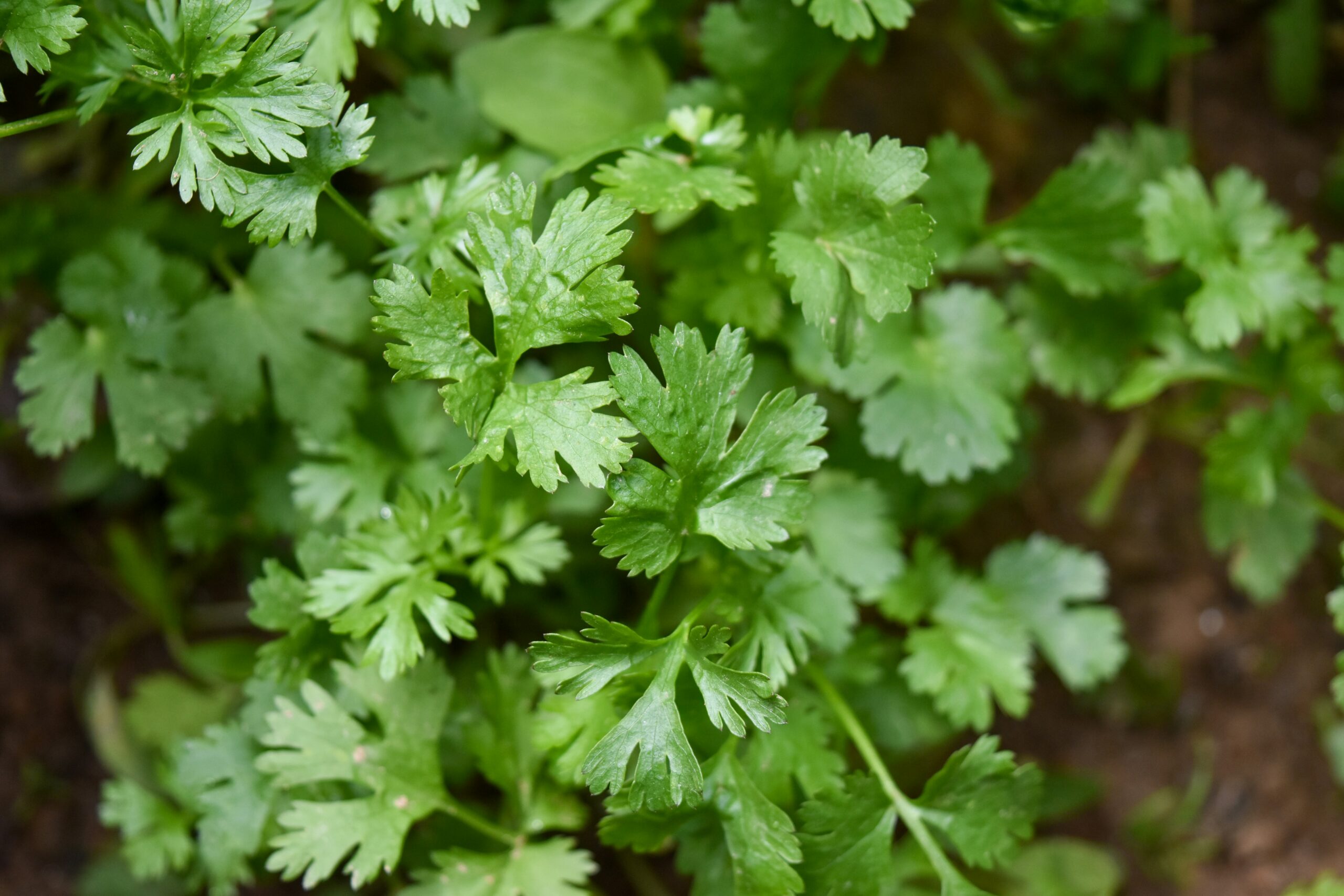
Coriander
Read more: Coriander1. Botanical Profile Coriandrum sativum is an annual herbaceous plant of the Apiaceae family, the same lineage as parsley, dill, fennel, carrot and celery. Native to a region spanning the eastern Mediterranean and western Asia, it has been cultivated for at least 7,000 years; coriander mericarps have been recovered from the late Neolithic Nahal Hemar…
-
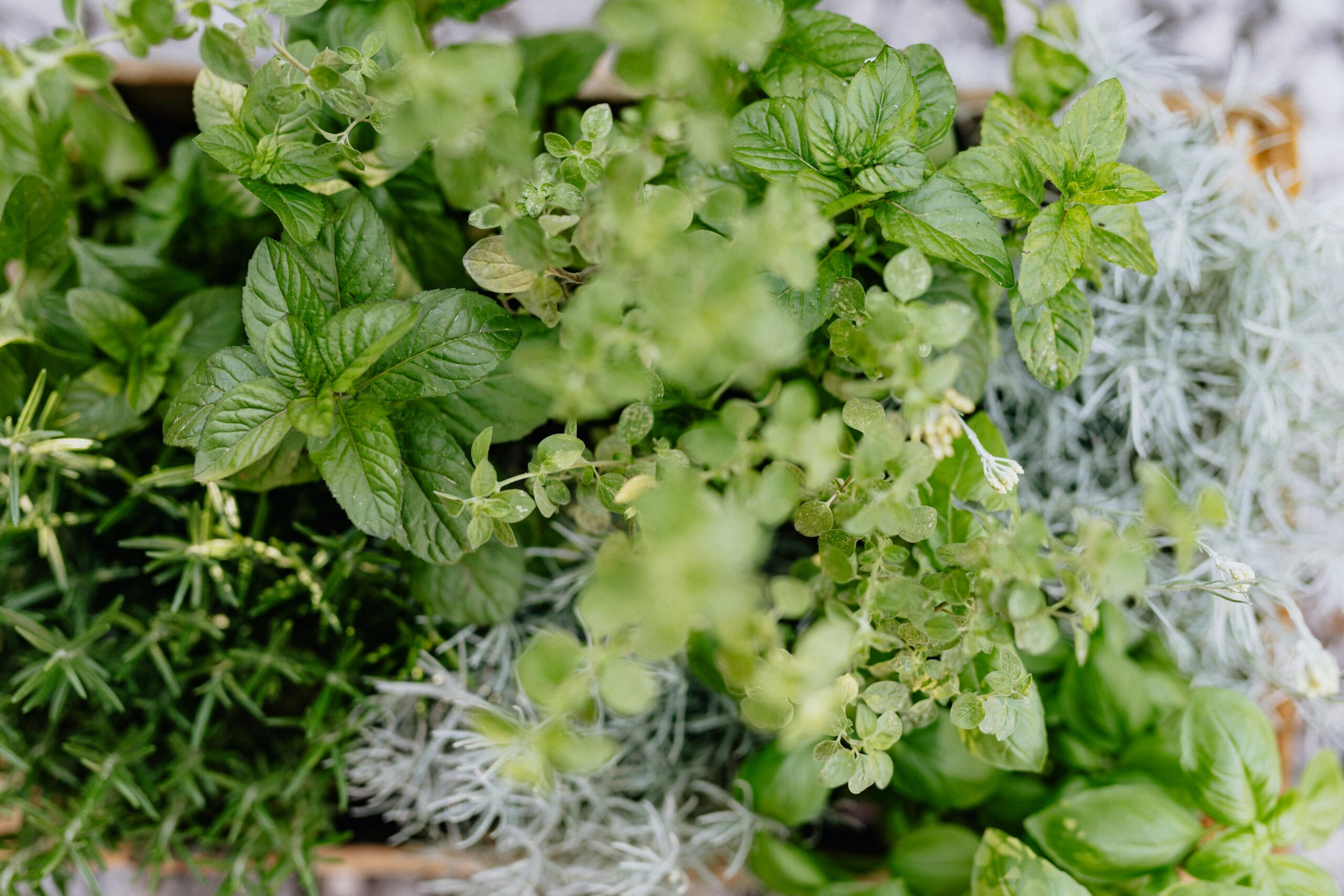
Aromatic Herbs
Read more: Aromatic HerbsAcross continents and across history, herbs have been the punctuation of cooking, small in volume, decisive in character. 1. Botanical Foundations In culinary usage, an aromatic herb is the leafy or soft aerial part of a plant used to flavour food. The distinction between herb and spice is largely anatomical: herbs are the tender green…
-
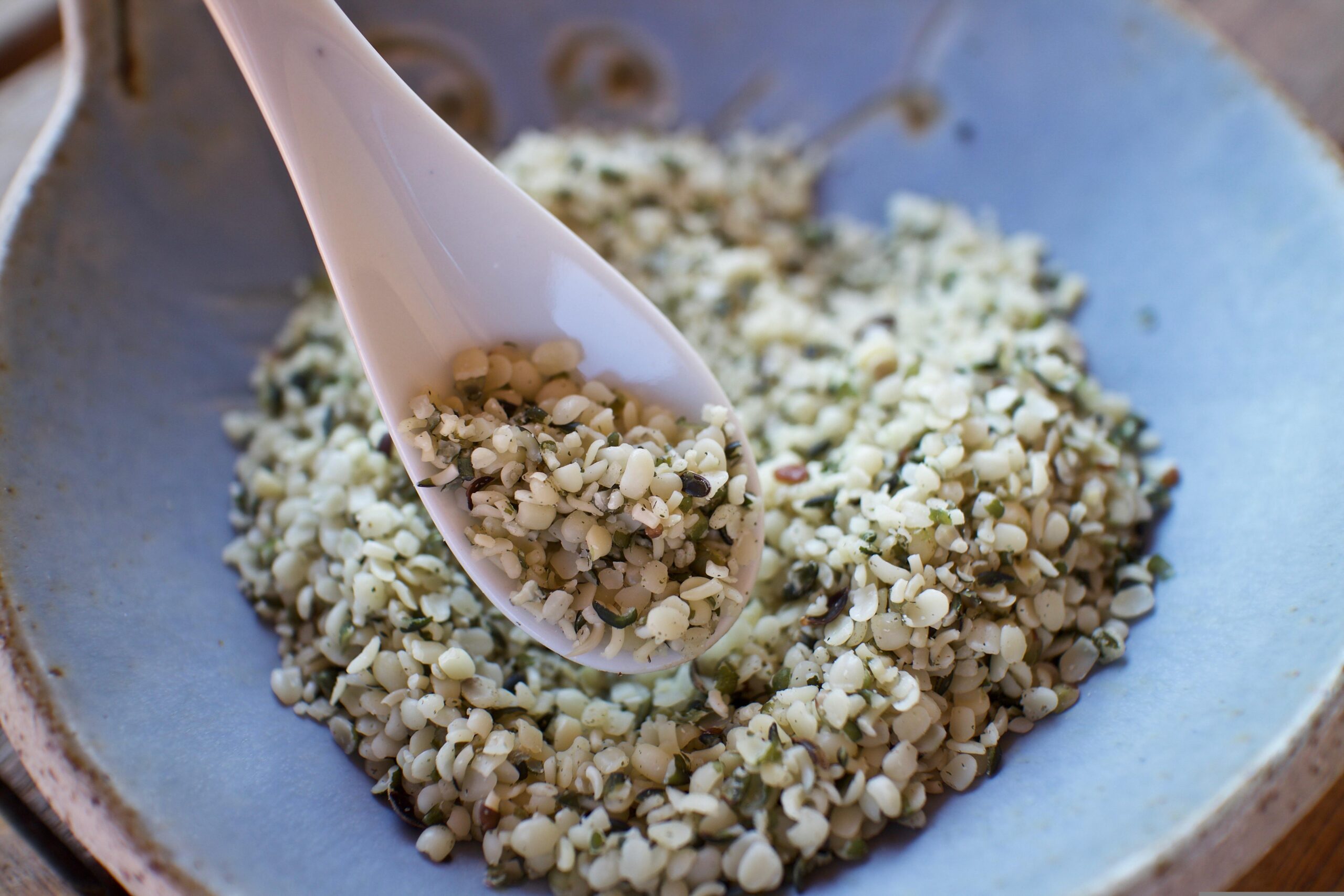
Hemp Seeds
in SeedsRead more: Hemp SeedsHemp seeds, the small, nutty-tasting fruits of Cannabis sativa, have been part of human diets in East and Central Asia for at least three millennia, it is one of the few widely consumed culinary seeds that combines a complete set of essential amino acids (with lysine as the limiting amino acid), an omega-6 to omega-3…
-
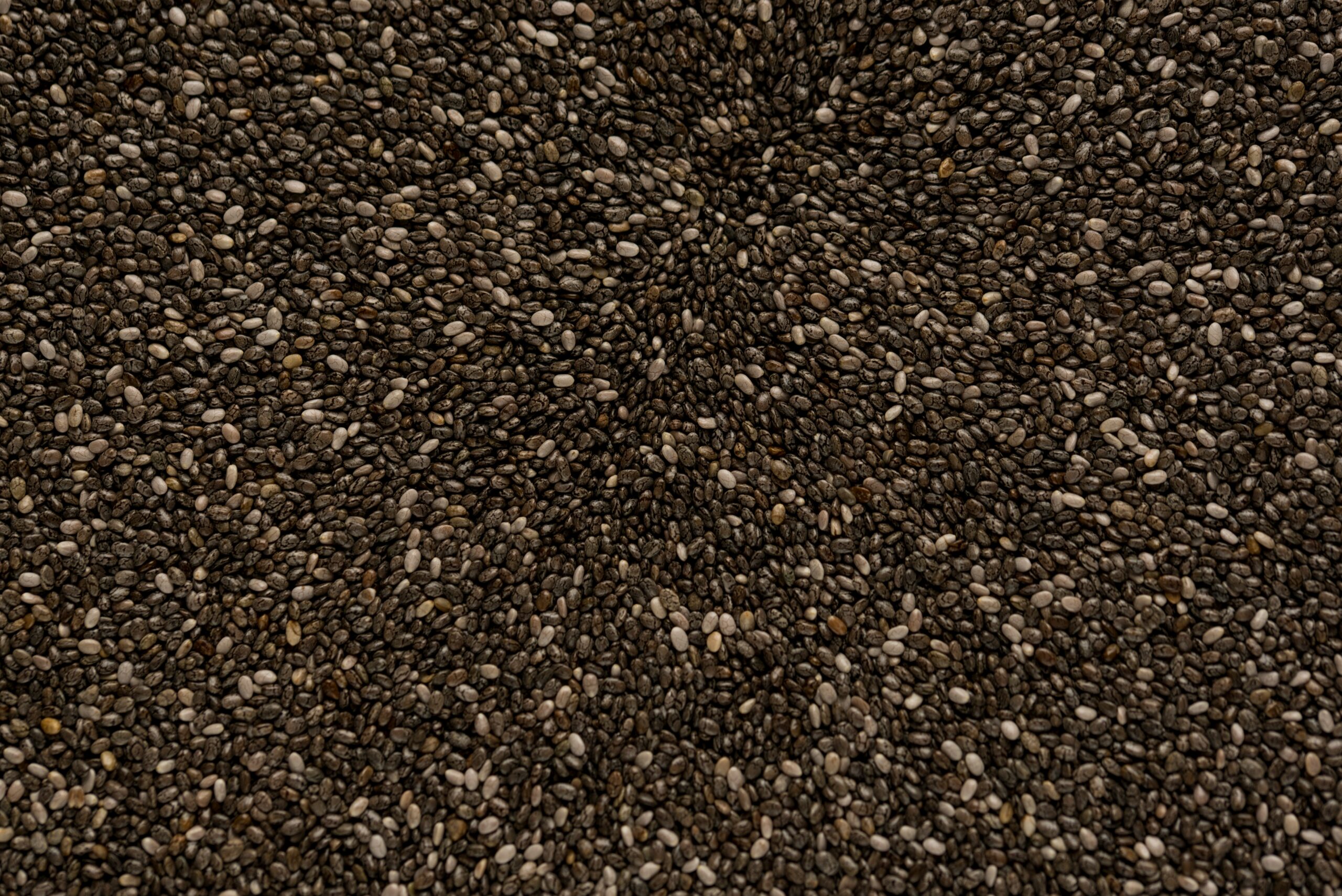
Chia
in SeedsRead more: ChiaChia (Salvia hispanica) has moved from a regional Mesoamerican staple into one of the most widely traded functional ingredients of the past two decades. Its rise has been driven less its nutrient profile: high alpha-linolenic acid content, dual soluble and insoluble fibre, a complete amino acid profile, and unusual hydration capacity, that makes it useful…
-
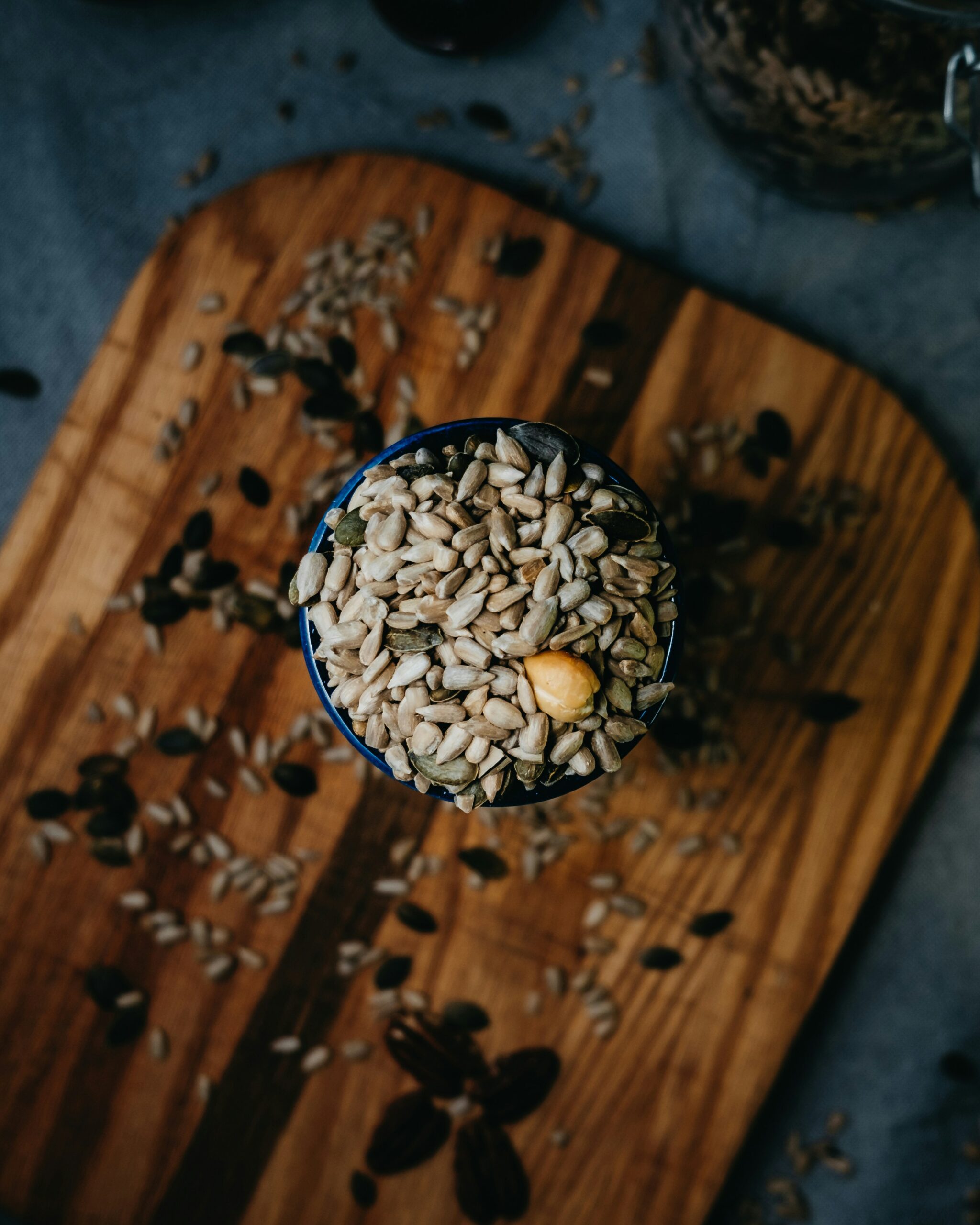
Seeds
Read more: SeedsBotanically, a “seed” is the reproductive unit of a flowering plant, and by that definition, a substantial share of the human food supply qualifies. Cereals such as wheat, rice, and oats (botanically caryopses); single-seeded fruits in which the ovary wall has fused to the seed coat, are seeds; so are legumes like lentils, chickpeas, and…
-
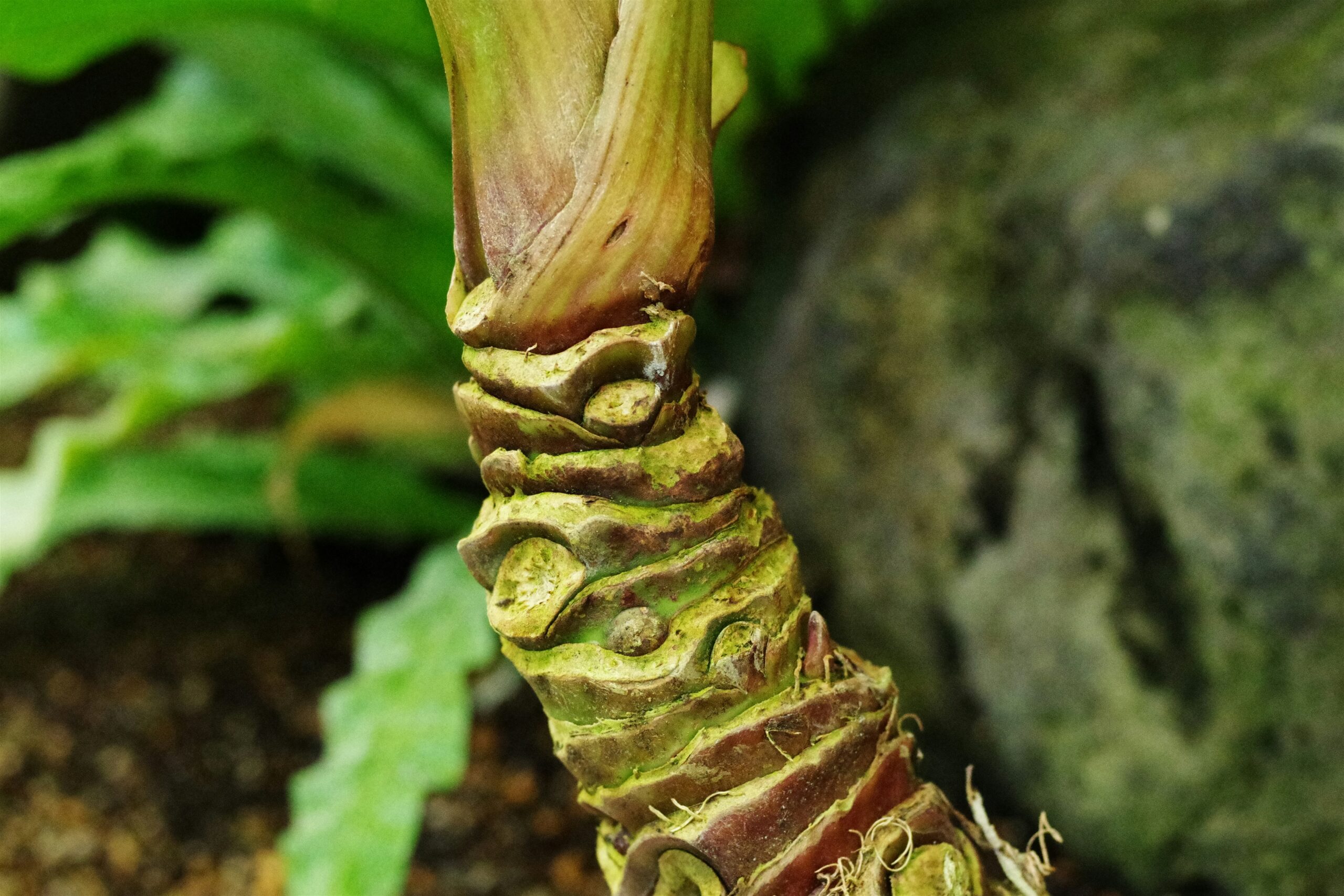
Wasabi
Read more: WasabiFew ingredients are as widely recognised, and as widely misrepresented, as wasabi. The vivid green paste served beside sushi worldwide is overwhelmingly an imitation built on horseradish, mustard and food colouring; authentic wasabi, the freshly grated rhizome of Eutrema japonicum, remains a rarity even in Japan. Its scarcity is not marketing: the plant is one…