
Category: Ingredient Profiles
-
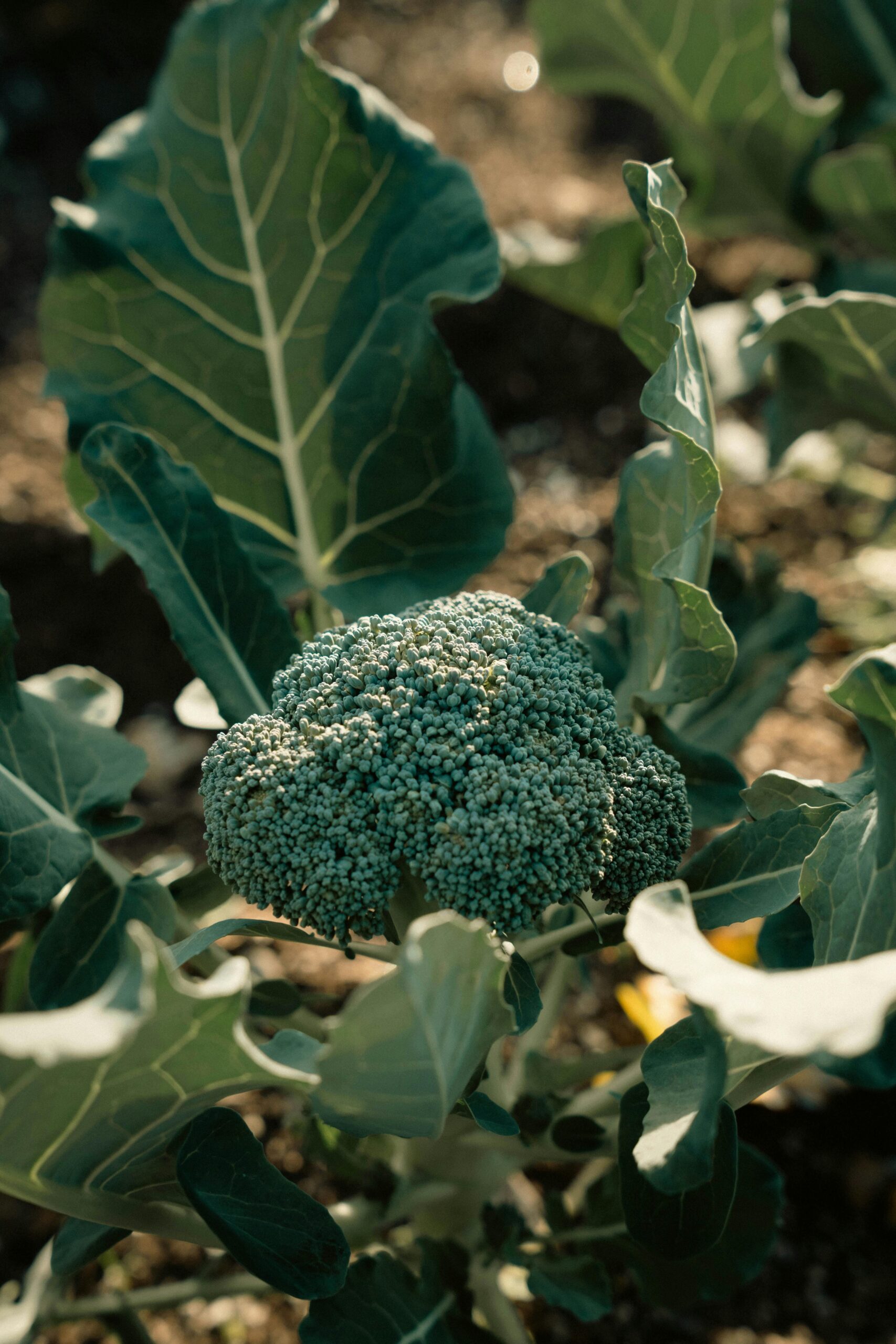
Broccoli
Read more: Broccoli1. Botanical Profile and Origins Broccoli belongs to the species Brassica oleracea, the same species that gave rise to cabbage, cauliflower, kale, Brussels sprouts, kohlrabi, and collard greens. These are not merely close relatives but cultivar groups of a single highly plastic species, each selectively bred for a different edible part. Broccoli, classified as B.…
-

Cruciferous Vegetables
Read more: Cruciferous VegetablesFrom broccoli and kale to watercress and radishes, these plants share a distinctive biochemical signature that sets them apart from virtually every other food category: a high concentration of glucosinolates, sulphur-containing phytochemicals that convert into potent bioactive compounds when the plant cells are physically disrupted. The word “cruciferous” itself comes from the Latin Crucifera, meaning…
-
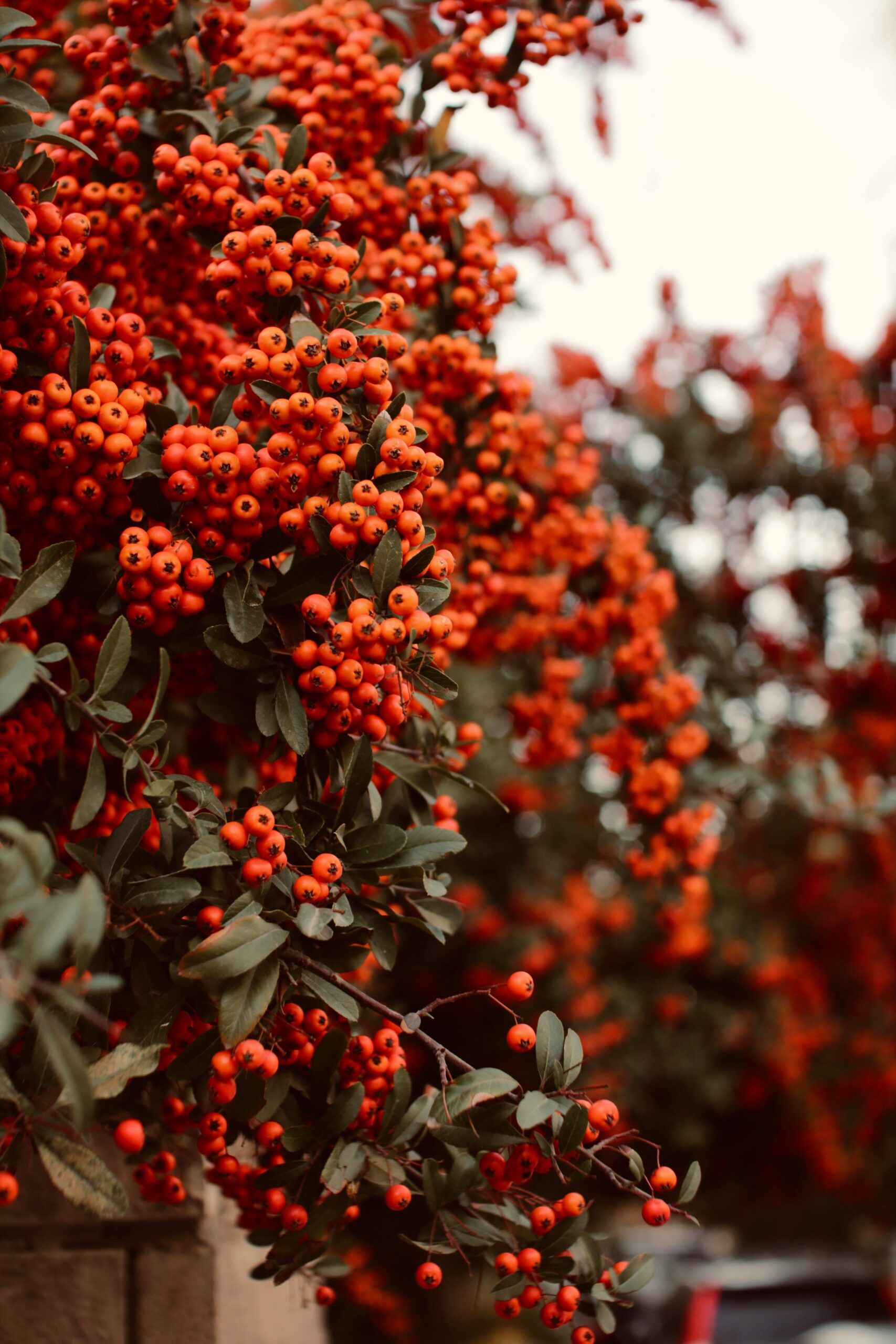
Sea Buckthorn
Read more: Sea BuckthornKnown scientifically as Hippophae rhamnoides, and commonly called Sea Buckthorn, Seaberry, Sandthorn, Siberian pineapple, in Tibet is called Dhar-bu, Dale Chuk in Nepal, Chatsargana in Mongolia, Shaji in China, and in Himachal Pradesh is Chharma. This thorny deciduous shrub produces small, vivid orange berries that contain one of the most chemically diverse profiles among edible…
-
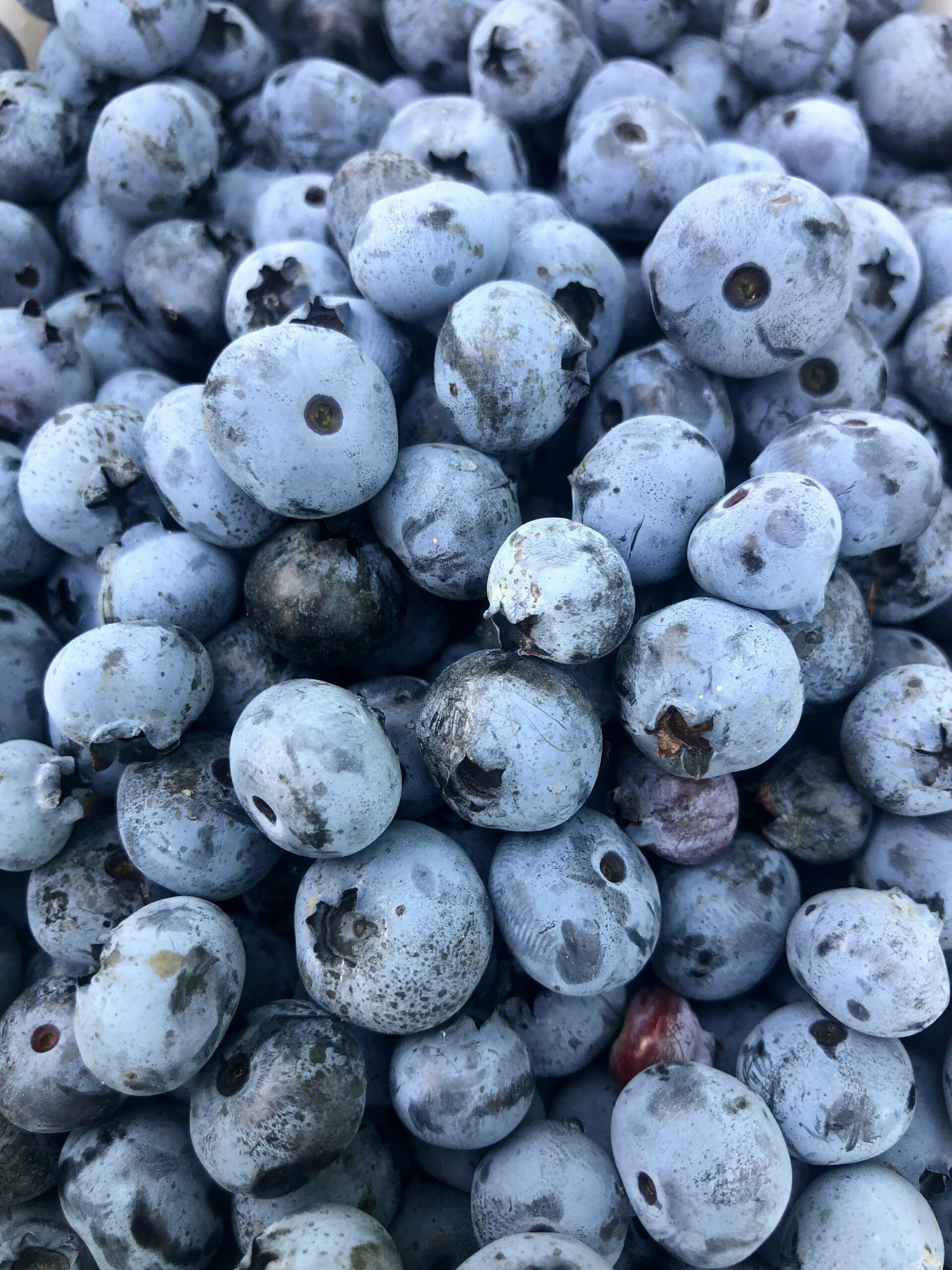
Blueberries
Read more: Blueberries1. Botanical Profile Blueberries belong to the family Ericaceae (the heath family) and the genus Vaccinium, a large and complex group of approximately 150 species that also includes cranberries, bilberries, lingonberries, and huckleberries. Within the genus, the blueberry species consumed commercially fall under the section Cyanococcus (the cluster-fruited blueberries)¹. All are deciduous shrubs that produce…
-
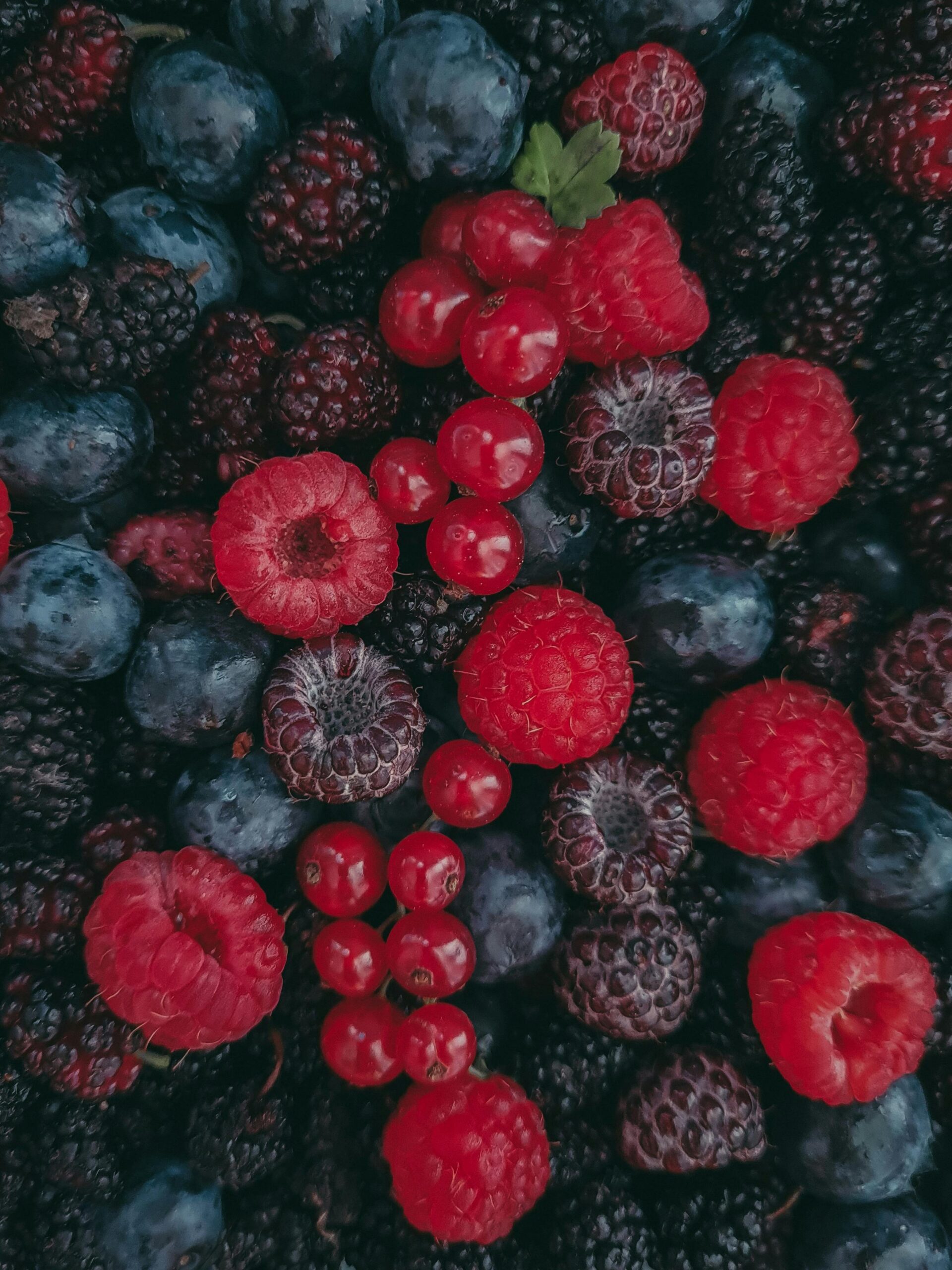
Berries and Superfruits
Read more: Berries and Superfruits1. What Makes a Fruit a ‘Superfruit’? Walk into any health food store and you will encounter a dazzling array of powders, capsules, juices, and frozen packets labelled with the word “superfruit”. Açaí from the Amazon, maqui from Patagonia, baobab from the African savannas, goji berries from the Himalayan foothills, these names have become symbols…
-
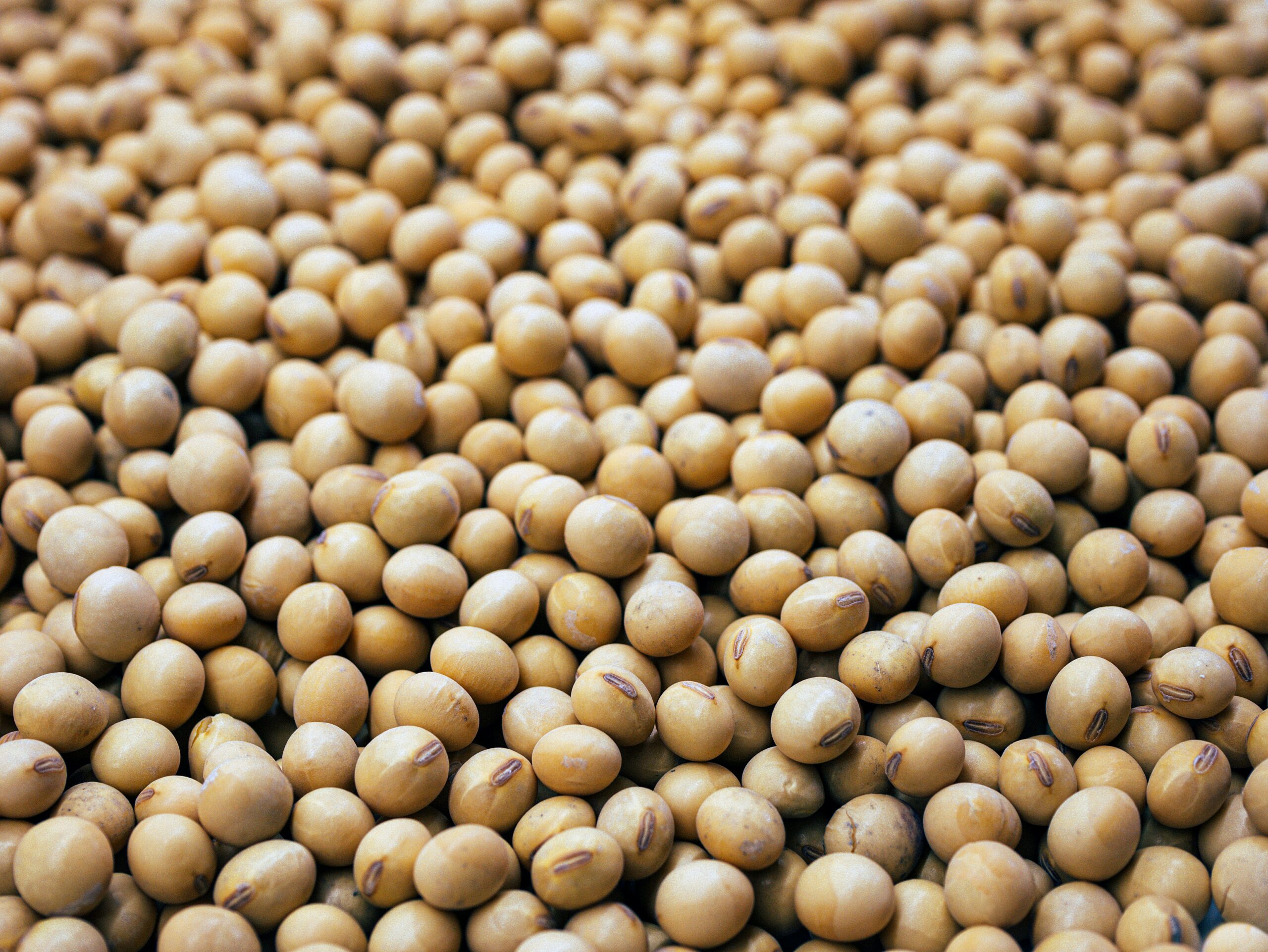
Soybeans
in LegumesRead more: SoybeansSoybeans and Soy Foods: Tofu, Tempeh, Edamame, Miso, and Natto The soybean (Glycine max) is one of the most economically significant legumes in the modern food system. Domesticated in China approximately 2,000-5,000 years ago, it has become the world’s most widely traded legume crop, and one of the few plant foods that naturally contains all…
-
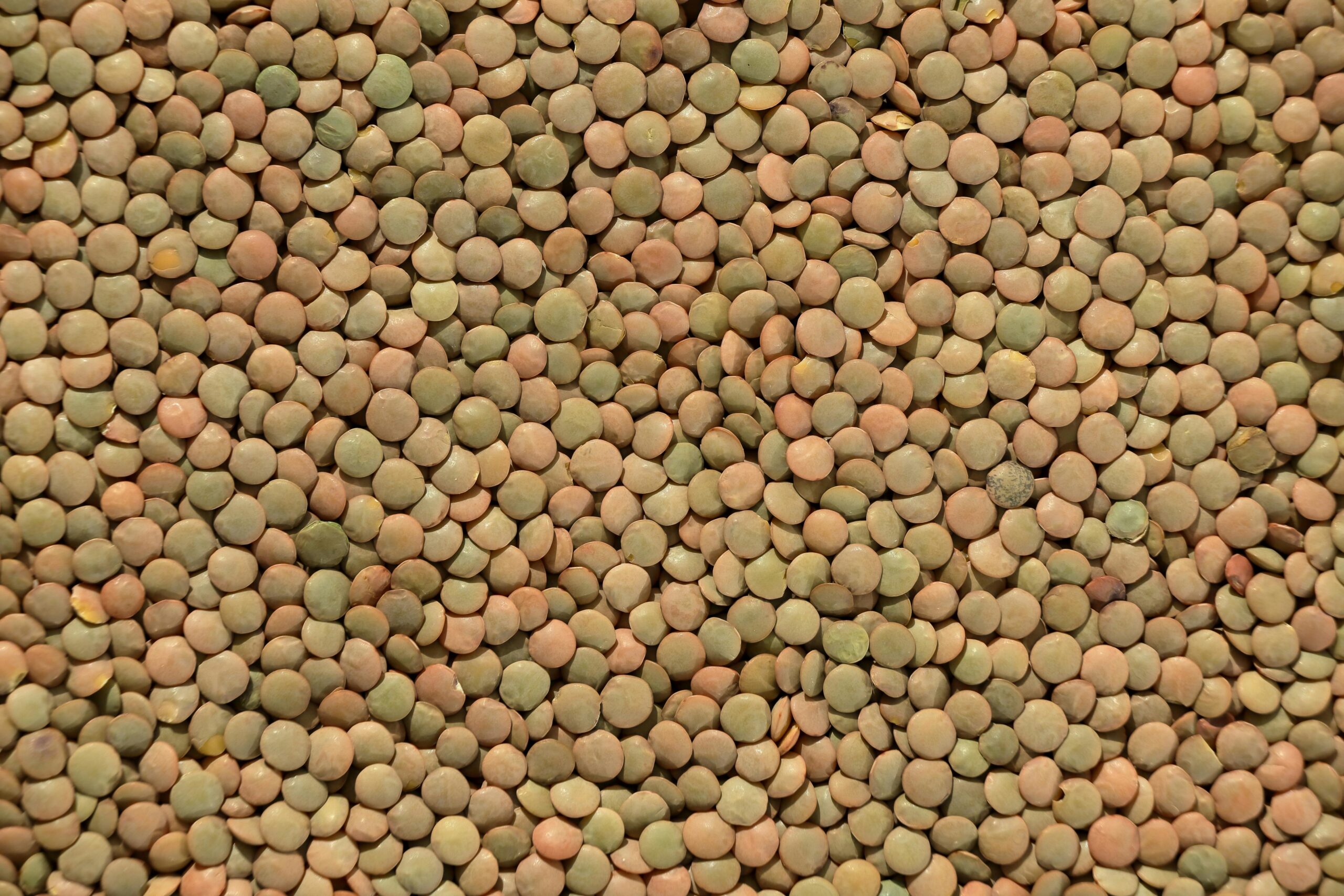
Lentils
in LegumesRead more: LentilsFew foods combine nutritional density, environmental sustainability, and culinary versatility as seamlessly as lentils. One of the oldest cultivated crops in human history, with evidence of consumption dating back more than 9,000 years in Southwest Asia and North Africa (SWANA), lentils (Lens culinaris) have fed civilisations from ancient Egypt and Rome to the Persian Empire…
-
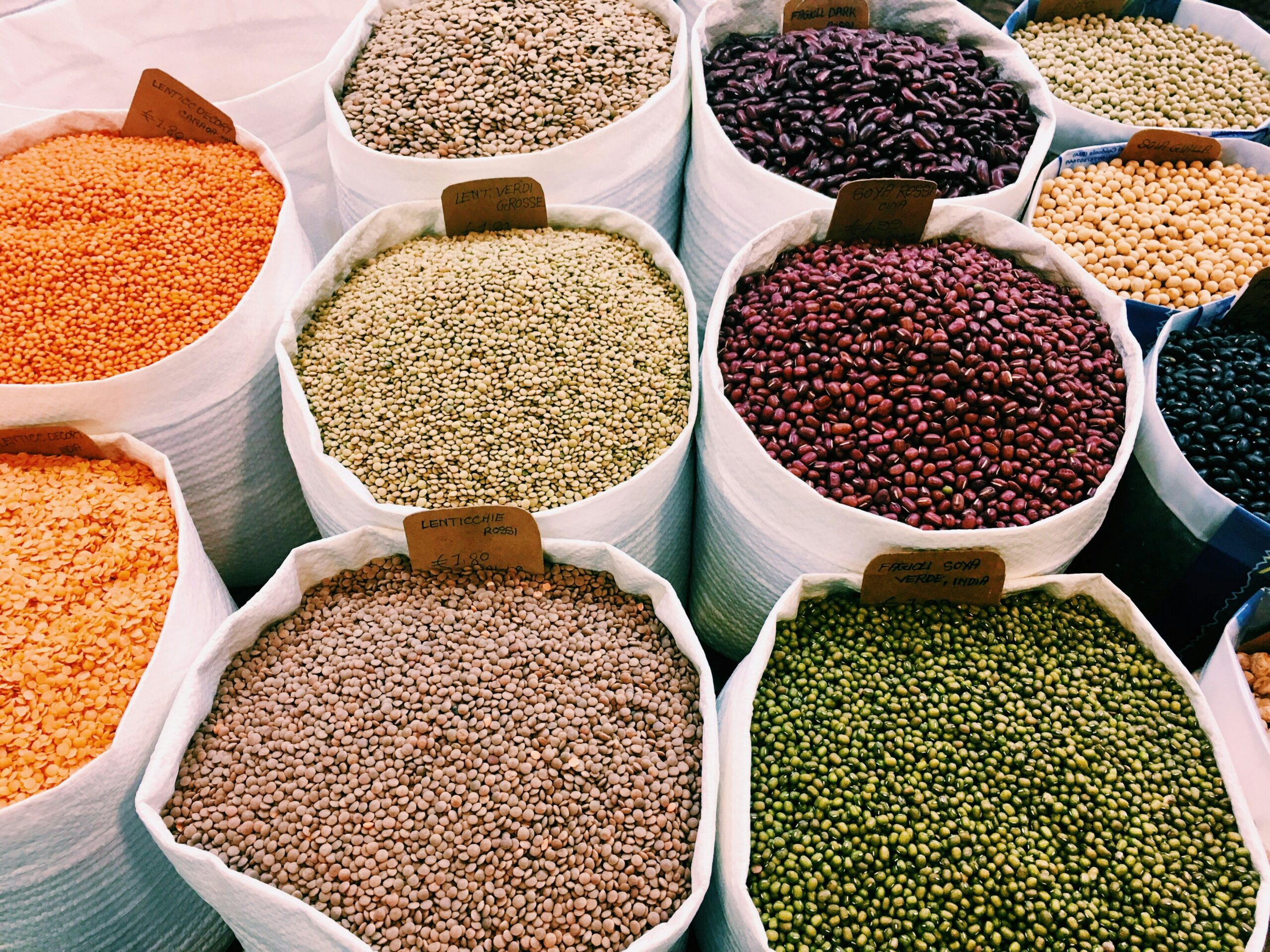
Legumes
Read more: LegumesFew food groups in human history have contributed as much to global nutrition, agricultural sustainability, and culinary diversity as legumes. Cultivated for more than 10,000 years across Asia, the Middle East, Africa, and the Americas, these edible seeds of the Fabaceae plant family, commonly known as the pea family, form the nutritional and cultural backbone…