
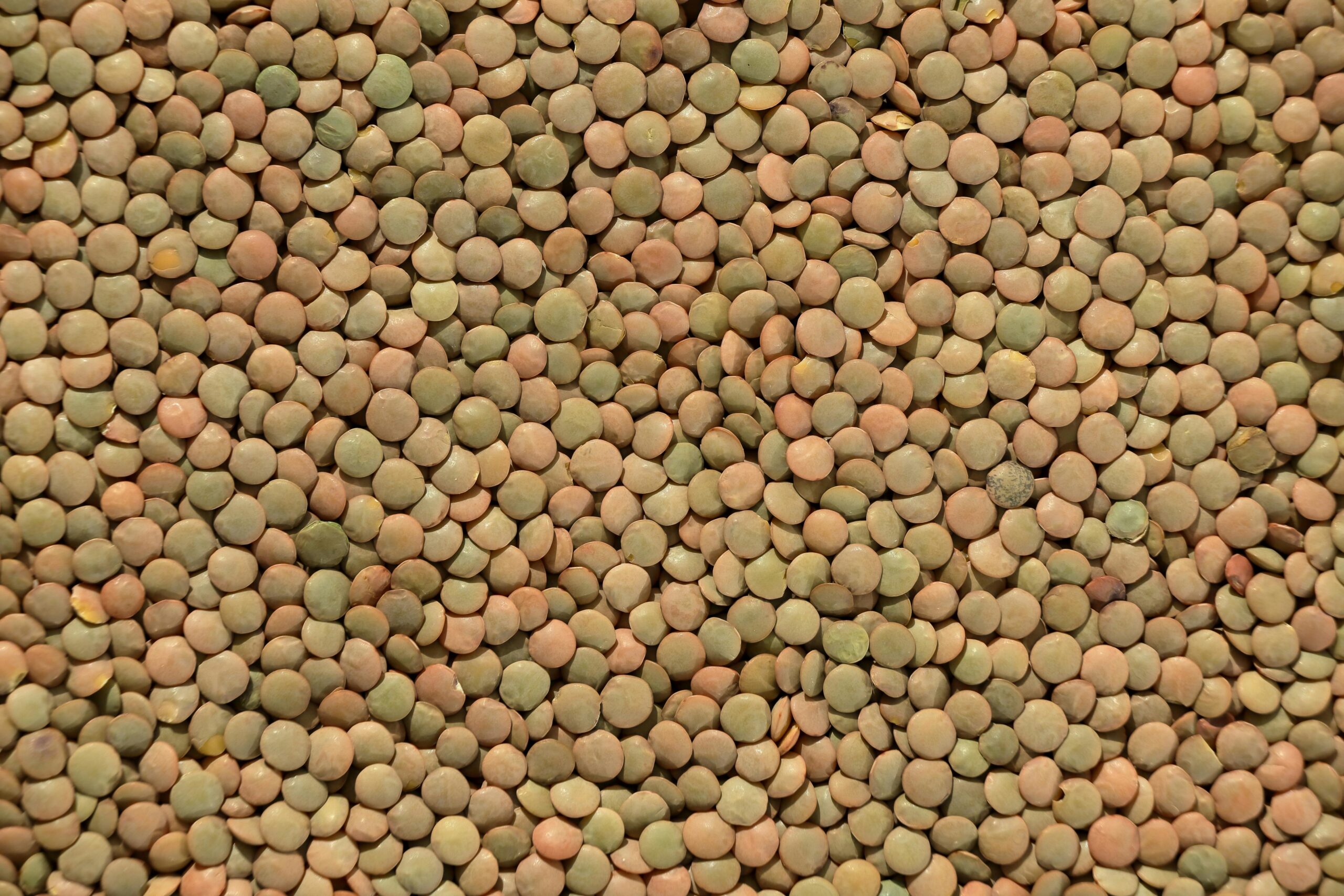
Few foods combine nutritional density, environmental sustainability, and culinary versatility as seamlessly as lentils. One of the oldest cultivated crops in human history, with evidence of consumption dating back more than 9,000 years in Southwest Asia and North Africa (SWANA), lentils (Lens culinaris) have fed civilisations from ancient Egypt and Rome to the Persian Empire and the Indian subcontinent. Today, they remain a staple across SWANA, and increasingly in Western kitchens, where rising interest in plant-based nutrition has brought renewed attention to their impressive health credentials.
Small, lens-shaped, and quick to cook, lentils are the only pulse that requires no pre-soaking. According to the Harvard T.H. Chan School of Public Health, they are one of the earliest domesticated crops, prized across millennia for their ability to provide substantial nourishment from modest inputs.
1. Types and Varieties
Lentils are categorised primarily by colour and size, which determine their flavour profile, texture after cooking, and ideal culinary application. The main commercially available types are:
| Variety | Colour / Size | Texture when cooked |
| Brown | Light to dark brown | Soft, holds shape |
| Green | Pale to slate green | Firm, holds shape well |
| Puy (French) | Dark green/black, small | Very firm, peppery |
| Red / Orange | Bright red/orange, split | Very soft, breaks down |
| Yellow | Golden, split | Soft, creamy |
| Beluga (Black) | Tiny, glossy black | Firm, caviar-like |
Puy lentils (Lentilles du Puy) hold PDO status in France and are considered a premium variety. Beluga lentils have one of the highest protein contents among lentil varieties, as noted in research from Frontiers in Nutrition (2024).
2. Nutritional Profile
Lentils are among the most nutrient-dense foods in the plant kingdom. The following chart shows the nutritional composition per 100g of lentils:
Per 100 g · USDA FoodData Central SR Legacy.
Source: USDA FoodData Central SR Legacy · FDC 172421 (Green/Brown) · FDC 172420 (Red Split) · FDC 175240 (Sprouted, raw) · Values per 100 g cooked/boiled except Sprouted (raw) · % DV based on FDA 2,000 kcal/day reference · No official DV for sugars
Several features stand out. Lentils are exceptionally rich in folate, a single 100g serving provides nearly half of the recommended daily intake, making them one of the best food sources of this B vitamin. They are also a significant source of non-haem iron, manganese, and plant protein, while being naturally low in fat and completely free of cholesterol and sodium.
One key consideration is that lentil protein, while abundant, lacks sufficient methionine and cysteine, the sulfur-containing essential amino acids. Pairing lentils with whole grains (rice, barley, bread) provides all nine essential amino acids and creates a nutritionally complete protein, as described in Legume Science (2024).
3. Evidence-Based Health Benefits
3.1 Cardiovascular Health
Lentils have well-documented cardioprotective effects. A 2024 randomised controlled trial involving 38 adults with elevated waist circumference found that consuming approximately 980g of cooked lentils per week over 12 weeks significantly reduced LDL (“bad”) cholesterol and post-meal blood glucose compared to calorie-matched meat-based meals. A 2024 review in Nutrients (MDPI) further linked regular lentil consumption to lower inflammatory markers, including IL-17 and IL-1β. These effects are primarily attributed to lentils’ high soluble fibre content, which binds bile acids in the digestive tract, reducing circulating LDL cholesterol, and to their polyphenol content, which exerts anti-inflammatory and antioxidant activity.
3.2 Blood Sugar Regulation
Lentils have a low glycaemic index (GI), typically 21-30 for cooked whole lentils, meaning they produce a slow, gradual rise in blood glucose rather than a sharp spike. This property is attributed to their content of resistant starch and slowly digested complex carbohydrates. Research published in Current Research in Physiology (2024) highlights lentils’ potential as a dietary tool in diabetes management, noting beneficial effects on fasting blood glucose and insulin sensitivity. An earlier clinical trial demonstrated that substituting lentils for refined carbohydrate sources in meals led to significantly lower post-meal glucose and insulin responses.
3.3 Gut Health and Digestive Function
Lentils provide both soluble and insoluble dietary fibre, approximately 7.9g per 100g cooked, along with prebiotic carbohydrates (12-14g per 100g dried) that selectively nourish beneficial gut bacteria. Lentils also contain resistant starch, which delays carbohydrate absorption and feeds colonic microbiota. Regular intake supports microbiome diversity and the production of short-chain fatty acids (SCFAs), particularly butyrate, which plays a key role in colon health and immune regulation.
3.4 Folate and Pregnancy Support
Lentils are one of the best dietary sources of folate (vitamin B9), a nutrient critical for DNA synthesis, cell division, and the prevention of neural tube defects during early pregnancy. At ~180µg per 100g cooked, a single serving covers nearly half the daily requirement for most adults (400µg) and over one-third of the increased requirement during pregnancy (600µg), as recommended by the NIH Office of Dietary Supplements. For women envisioning a future pregnancy on a plant-based diet, lentils are an especially important food.
3.5 Weight Management
The combination of high protein and fibre content makes lentils particularly effective at promoting satiety. Their low energy density relative to their volume and nutrient content means they provide lasting fullness without excess calories. The Cleveland Clinic notes that the slow digestive rate of lentils helps regulate hunger hormones and reduces overall caloric intake when incorporated regularly into meals, an effect supported by NHANES data showing lower body weight and BMI in habitual legume consumers.
4. Recommended Intake
Major international health bodies recommend consuming legumes, including lentils, at least several times per week. The EAT-Lancet Planetary Health Diet recommends approximately 50g of dried legumes per day (equivalent to roughly 120-130g cooked) as part of a sustainable, health-supporting dietary pattern.
For practical purposes, a serving of lentils is typically defined as ½ to 1 cup of cooked lentils (approximately 100-200g). This is a realistic target to aim for 3-5 times per week. Lentils are one of the easiest legumes to introduce to the diet, as they require no pre-soaking and cook in 15-30 minutes depending on the variety.
For those new to lentils or who experience digestive sensitivity, starting with red or yellow split lentils is advisable, their lower fibre density and the absence of the outer husk make them gentler on digestion than whole green or brown varieties.
5. How to Cook Lentils
Basic Cooking Instructions
- Rinse first: Place dried lentils in a fine mesh strainer and rinse under cold running water. Pick out any debris or discoloured seeds.
- No soaking needed: Unlike most legumes, lentils cook without pre-soaking. Split varieties (red, yellow) cook in 10-15 minutes; whole varieties (green, brown, Puy, Beluga) take 20-30 minutes.
- Ratio: Use a ratio of 1 cup dried lentils to 3 cups water or vegetable stock. Bring to a boil, then reduce to a simmer and cover.
- Season at the end: Add salt and acidic ingredients (tomatoes, lemon juice, vinegar) only after lentils are cooked, acid early in cooking toughens the skin and extends cooking time significantly.
- Drain and rinse: If using canned lentils, drain and rinse well under cold water to remove excess sodium.
Pairing Tips for Maximum Nutrition
- With vitamin C foods: Pair lentils with tomatoes, lemon juice, roasted peppers, or fresh parsley to significantly enhance non-haem iron absorption, vitamin C can increase iron bioavailability by up to 67%, according to the NIH.
- With whole grains: Combine with rice, quinoa, barley, or bread to form a complete amino acid profile. This pairing is a cornerstone of Indian (dal rice), Middle Eastern (mujaddara), and Ethiopian (injera with lentils) cuisines.
- Avoid with tea or coffee: Tannins in tea and coffee inhibit iron absorption. Leave a gap of at least one hour between lentil-rich meals and these beverages.
Culinary Applications
- Dal: The quintessential South Asian preparation, red or yellow lentils simmered with spices such as cumin, turmeric, ginger, and garlic. One of the most nutritionally complete and economical dishes in the world.
- Soups and stews: Brown or green lentils work well in hearty European-style soups alongside root vegetables, tomatoes, and herbs such as thyme and bay leaf.
- Salads: Puy and Beluga lentils, with their firm texture, make excellent cold salad bases dressed with mustard vinaigrette and paired with roasted beetroot.
- Meat substitute: Ground or processed lentils can replace mince in bolognese, shepherd’s pie filling, and burger patties, providing comparable protein with a fraction of the saturated fat and environmental impact.
- Lentil flour: Red lentil flour can be used in flatbreads, pancake batters, and pasta, as a naturally gluten-free alternative.
6. Precautions and Contraindications
- Digestive sensitivity (IBS): Lentils contain fermentable carbohydrates (raffinose, stachyose) that may trigger bloating and discomfort in individuals with irritable bowel syndrome. Canned and well-rinsed lentils, or small portions of split red lentils, are generally better tolerated. Gradual introduction allows the gut microbiome to adapt.
- Antinutrients: Raw lentils contain lectins, phytates, and tannins that reduce mineral absorption and may irritate the gut. Proper cooking completely deactivates lectins; soaking and discarding the soaking water further reduces phytate content, as reviewed in Legume Science (2024).
- Iron absorption interference: Phytates in lentils can reduce iron and zinc bioavailability. Sprouting, soaking, or pairing with vitamin C-rich foods effectively counters this effect.
- Medication interactions: The high folate content of lentils may interact with methotrexate (used in rheumatoid arthritis and cancer treatment) and certain anticonvulsants. If you are on these medications, discuss dietary folate intake with your healthcare provider.
- Kidney disease: Lentils are relatively high in potassium and phosphorus. Individuals with advanced kidney disease who require dietary restriction of these minerals should consult a renal dietitian before increasing lentil intake.
7. A Note on Sustainability
Lentils rank among the most environmentally sustainable protein sources available. Research consistently shows that pulse crops (including lentils), generate a fraction of the greenhouse gas emissions associated with animal proteins. Lentils also fix atmospheric nitrogen into the soil, reducing the need for synthetic fertilisers and improving soil health for subsequent crops. Canada, the world’s largest lentil producer, has developed extensive lentil crop rotation programmes that demonstrably reduce fertiliser use and greenhouse gas emissions per hectare. Choosing lentils over animal protein even once or twice a week can make a meaningful contribution to a lower-carbon diet.
8. Conclusion
Lentils are a rare example of a food that delivers on every dimension that matters: they are nutritionally outstanding, scientifically well-validated, economically accessible, environmentally responsible, and extraordinarily versatile in the kitchen. From a weekly dal to a lentil soup or a lentil-enriched bolognese, the opportunity to integrate lentils more consistently into your diet is both a health choice and, in a small but meaningful way, an ecological one.
For a broader look at the Fabaceae family and how different legumes compare, explore our article: Legumes.
Choose a variety, enter your serving weight, and see the exact nutrients with % Daily Reference Value
─────────────────────────────
This article is part of Bem Bloom’s Legumes series. All information is provided for informational purposes only. Is not a substitute for professional medical or nutritional advice. Consult a qualified healthcare professional before making significant changes to your diet.