
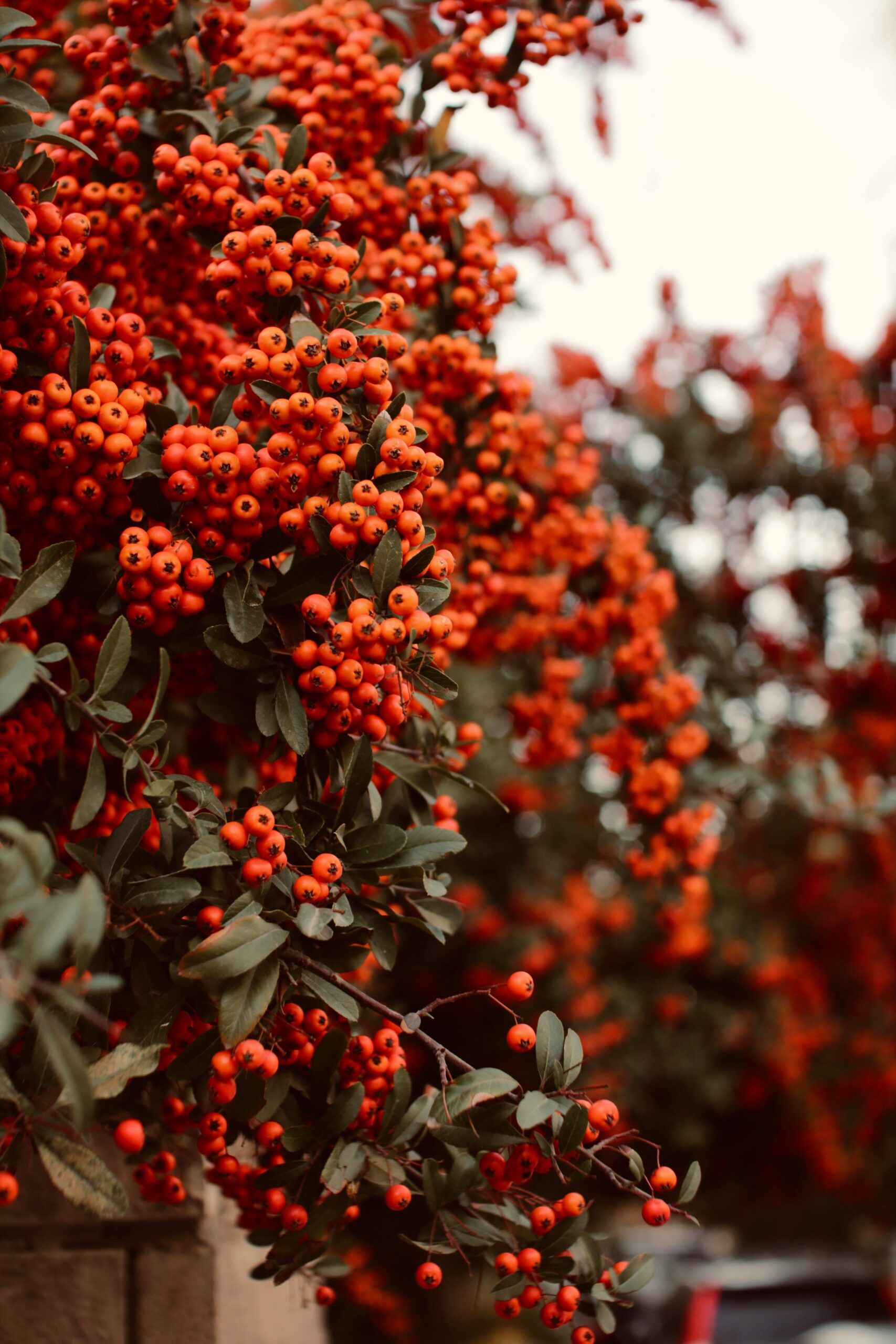
Known scientifically as Hippophae rhamnoides, and commonly called Sea Buckthorn, Seaberry, Sandthorn, Siberian pineapple, in Tibet is called Dhar-bu, Dale Chuk in Nepal, Chatsargana in Mongolia, Shaji in China, and in Himachal Pradesh is Chharma. This thorny deciduous shrub produces small, vivid orange berries that contain one of the most chemically diverse profiles among edible berries.
Modern analyses have identified¹ nearly 200 bioactive compounds in the fruit, seeds, and leaves, ranging from exceptionally high vitamin C to the rare omega-7 fatty acid, palmitoleic acid. Multiple parts of the plant, including the berry, seeds, leaves, and bark, have been used in traditional medicine, food, cosmetics, and land restoration.
1. Botanical Profile
Sea buckthorn belongs to the family Elaeagnaceae, a group of nitrogen-fixing shrubs adapted to poor soils. The genus Hippophae contains several species, H. rhamnoides (by far the most widely distributed), H. salicifolia (willow-leaved sea buckthorn), H. tibetana, H. neurocarpa, H. gyantsensis, and H. goniocarpa. H. rhamnoides alone is typically divided into eight or nine subspecies adapted to different climates, including sinensis in China, mongolica in Russia and Mongolia, turkestanica in Central Asia, carpatica in the Carpathians, and rhamnoides in Western and Northern Europe.
The shrub is dioecious (male and female plants are separate) and is pollinated by wind. It reaches up to 7 metres in height, carries long silvery leaves and is notoriously thorny, which is one reason harvesting has always been labour-intensive. It survives in extreme conditions, from -40 °C to +40 °C, and is a nitrogen-fixing pioneer species often used for soil restoration, erosion control, and shelterbelts. The berries ripen from late August to October and stay on the branches through winter, providing food for birds in cold months.
2. Origin and Historical Use
Sea buckthorn did not travel from East to West, it has been part of human life across Eurasia for millennia. Its centre of genetic diversity lies in the Hengduan Mountains and East Himalayas, with populations extending from the Tibetan Plateau and Ladakh through Mongolia, Siberia, and the Caucasus, into the Carpathians, the Baltic coast, and the Atlantic cliffs of Western Europe. Fossil evidence suggests the genus is extremely old, adapted to cold, arid conditions well before modern human civilization.
According to Liu et al. (2026), the earliest detailed documentation of its medicinal use comes from the rGyud-bzhi (Four Medical Tantras), the canonical Tibetan medical treatise traditionally attributed to Yuthok Yönten Gönpo the Elder in the 8th-9th century and edited into its present form in the 12th century. The text refers to sea buckthorn as star-bu and details its preparation, indications, and applications for bronchopulmonary, digestive, and thermal-injury conditions. Traditional Mongolian medicine records it in the White Crystal Beads of Pharmaceutical Identification, and classical Chinese pharmacopoeia, including Li Shizhen’s Bencao Gangmu (Compendium of Materia Medica), document its use under the name shā jí. In Ayurveda and local practices across the Indian Himalayas (Ladakh, Uttarakhand, Himachal Pradesh, Sikkim), sea buckthorn is similarly embedded in regional therapeutics and daily food.
In the twentieth century, the plant entered a new phase of scientific scrutiny. Russian researchers began systematic work on its bioactive compounds in the 1940s, culminating in the reportedly use by cosmonauts in Soviet-era aerospace and military health programs for radiation protection and skin care. Between 1945 and 1991, Soviet and German horticulturists developed cultivars with larger berries, improved nutritional profiles, and traits suited to mechanical harvesting. Finland, Germany, Romania, the Baltic states, and Canada have since built their own cultivation programmes, while China remains by far the largest producer and has led afforestation efforts using the shrub for ecological restoration of arid lands.
3. Nutritional Composition
Sea buckthorn stands apart from other berries because it combines attributes usually found in separate plant categories: a fruit that is extraordinarily rich in vitamin C and water-soluble antioxidants, and is a fruit whose pulp and seed are unusually rich in lipids, carotenoids, and fat-soluble vitamins. The comprehensive review in Frontiers in Nutrition¹ identifies close to 200 nutrients and bioactive components in the berry.
Raw berry (Hippophae rhamnoides) · Per 100 g · Source: Frida v5.5, Food ID 1708 · DTU National Food Institute, Denmark · Select a nutrient group to explore
Source: Food data (frida.fooddata.dk), version 5.5, 2025, National Food Institute, Technical University of Denmark · Food ID 1708 · Hippophae rhamnoides, raw · % DV based on FDA 2,000 kcal/day reference · Bars exceeding 100% DV are capped and shown in red
Vitamin C. The ascorbic acid content varies widely by subspecies, from 0.3-3.1 g/kg in European rhamnoides to 2-25 g/kg in Chinese sinensis. Uniquely, sea buckthorn lacks the ascorbate oxidase enzyme found in most plants, which contributes to better vitamin C stability during processing, a rare advantage among fresh fruits.
Omega-7 (palmitoleic acid). This is the compound that most distinguishes sea buckthorn from other berries. The pulp oil contains, the highest natural source discovered to date: 30-40% palmitoleic acid, a monounsaturated omega-7 fatty acid rare in the plant kingdom, found in significant quantities only in sea buckthorn, macadamia nuts, and avocados, and in lower quantities in a few others. According to research in Frontiers in Endocrinology, palmitoleic has been proposed to function as a ‘lipokine’ in metabolic signaling, a lipid hormone secreted by adipose tissue that signals to the liver and muscle, with emerging evidence of effects on insulin sensitivity and lipid metabolism. Sea buckthorn seed oil, by contrast, is unusually balanced in omega-3 and omega-6 fatty acids in roughly a 1:1 ratio.
Carotenoids and vitamin E. The vivid orange colour reflects 3-15 mg/100 g of carotenoids, including β-carotene, lycopene, and zeaxanthin. Combined with tocopherols and tocotrienols, this gives the berry an unusually rich fat-soluble antioxidant profile. Because the pulp is naturally high in lipids, these carotenoids are well absorbed, lipids enhance carotenoid bioavailability.
Polyphenols. Flavonoids such as isorhamnetin, quercetin, and kaempferol, along with phenolic acids and proanthocyanidins, account for much of the berry’s antioxidant capacity. These compounds drive many of the cardiovascular and anti-inflammatory effects observed in clinical research.
4. Evidence-Based Health Benefits
4.1 Cardiovascular and lipid metabolism
The strongest body of clinical evidence concerns blood lipids. A systematic review and meta-analysis of 11 randomised controlled trials (n ≈ 900 participants) by Guo and colleagues found that sea buckthorn supplementation significantly reduced total cholesterol, LDL-cholesterol, and triglycerides, and significantly raised HDL-cholesterol, but only in subjects with dyslipidaemia or elevated cardiovascular risk. Healthy participants showed no significant change, which is consistent with the general pattern seen with plant-based lipid-modifying compounds.
A later meta-analysis of 15 RCTs broadly confirmed these findings on triglycerides, total cholesterol, LDL, and HDL, while noting that blood glucose, blood pressure, and BMI were not significantly affected across the pooled studies.
4.2 Dry eye and mucosal membranes
Sea buckthorn oil has been investigated specifically for dry eye. In a double-blind RCT published in the Journal of Nutrition, 86 participants consumed 2 g/day of oral sea buckthorn oil for three months during autumn and winter. The treatment group showed significantly less increase in tear-film osmolarity (an objective dry-eye marker) and reduced subjective symptoms such as burning and redness compared with placebo. A follow-up study on tear-film fatty acid composition explored possible mechanisms. The effects are modest, not curative, but clinically meaningful for people affected by screen use or dry indoor air.
4.3 Metabolic and liver health
Sea buckthorn’s omega-7 content has attracted interest in metabolic research. Palmitoleic acid acts on lipogenic gene expression (SREBP-1, FAS, SCD-1) in animal models, reducing hepatic fat accumulation and improving insulin sensitivity. Human clinical trials testing pure palmitoleic acid in prediabetes are ongoing at institutions including Harvard-affiliated hospitals, and the protocol in Frontiers in Endocrinology¹⁰ outlines the hypothesised mechanisms. It is important to note that higher endogenous palmitoleic acid can also reflect elevated de novo lipogenesis in metabolic disease, so human evidence remains more nuanced than preclinical data alone suggest.
4.4 Antioxidant and inflammatory markers
A 90-day trial of sea buckthorn puree in hypercholesterolaemic patients found reduced hsCRP concentrations, a marker of systemic inflammation, alongside small reductions in diastolic blood pressure, even though circulating lipids did not change significantly in that particular study. Across trials, the flavonoid fraction (isorhamnetin, quercetin) consistently shows antioxidant and anti-inflammatory activity.
4.5 Skin and wound healing
Topical and oral sea buckthorn oil have a long tradition in burn and wound care, formalised in Russian and Chinese clinical practice. Current evidence is mixed: small studies suggest benefit for burns, psoriasis, and radiation-induced skin damage, but larger, higher-quality trials are still needed to reach clear conclusions. The combination of carotenoids, vitamin E, and essential fatty acids provides a plausible mechanism for epidermal support.
5. Culinary and Functional Uses
Raw sea buckthorn berries are intensely sour and astringent, reminiscent of citrus with a hint of tropical fruit, which explains why they are rarely eaten fresh. In the food industry, the berries are most commonly processed into several distinct forms, each with slightly different applications:
Juice and purees: the most common consumer format, often blended with sweeter fruits or used as a base for vitamin-C-rich beverages. Traditional across Germany, Scandinavia, the Baltic states, and Russia.
Pulp and seed oils: cold-pressed oils with distinct fatty-acid profiles. Pulp oil is richer in omega-7 and carotenoids; seed oil is richer in omega-3 and omega-6 and is often preferred for capsules used in eye and skin applications.
Powders and freeze-dried berries: used in smoothies, energy bars, yoghurts, and functional beverages. Freeze-drying preserves most of the vitamin C content.
Jams, syrups, jellies, and liqueurs: common in Eastern European and Scandinavian food traditions; sea buckthorn liqueurs and fruit wines are long-established artisanal products.
Capsules and dietary supplements: the fastest-growing category globally, typically standardised oil preparations ranging from 350 mg to 1,000 mg per capsule.
Cosmetics and skincare: beyond food, sea buckthorn oil is an established ingredient in creams, serums, and lip products, valued for its fatty-acid and carotenoid content. For nutrition-focused applications, food-grade oils are the right category.
6. Practical Use and Dosage
There is no officially established Recommended Daily Allowance for sea buckthorn. Human trials have used doses such as 2 g/day of berry oil for dry-eye support, 0.75 ml/day of seed oil for cardiovascular endpoints, and 28-90 ml/day of juice or puree for lipid-profile and inflammation trials. Supplement capsules commonly provide 350-1,000 mg of oil per dose. For dietary purposes, 1-2 tablespoons of juice or puree, or from a culinary perspective, 15-30 g of fresh or frozen berries is a practical daily serving size. Because the berries are acidic, most culinary preparations include natural sweetening.
7. Precautions and Contraindications
Anticoagulant interactions. Sea buckthorn oil has shown platelet aggregation-inhibiting activity in some studies. Individuals taking warfarin, antiplatelet drugs, or other anticoagulants should consult their healthcare provider before supplementing, particularly with concentrated oil preparations.
Allergies. Allergic reactions to sea buckthorn are rare but documented. People with known allergies to members of the Elaeagnaceae family should exercise caution.
Pregnancy and breastfeeding. There is insufficient clinical data on high-dose oral supplementation during pregnancy or lactation. Culinary use of the berry in ordinary food quantities is generally considered acceptable, but concentrated oils or supplements should be discussed with a healthcare provider.
Blood pressure and glucose. Mild blood-pressure-lowering and glucose-modulating effects have been reported. Individuals on antihypertensive or antidiabetic medication should monitor their values when introducing concentrated preparations.
Added sugar in processed products. Because the fresh berry is highly acidic, commercial juices, syrups, and jams are often heavily sweetened. Reading nutrition labels is essential, particularly for those managing blood glucose or caloric intake.
Quality and origin. Sea buckthorn supplements vary considerably in standardisation. Products with clearly identified subspecies, extraction method (pulp vs. seed oil), and third-party testing offer higher reliability.
8. Conclusion
Sea buckthorn earns its place among the most nutritionally unique berries in the world, not because of a single headline nutrient, but because of the breadth of its composition. It delivers exceptional vitamin C, a rare plant-based source of omega-7 palmitoleic acid, balanced essential fatty acids in the seed oil, an unusually rich carotenoid profile, and a dense phytochemical matrix that includes isorhamnetin, quercetin, and kaempferol.
The clinical evidence is strongest for cardiovascular and lipid metabolism in people with dyslipidaemia, and for dry-eye and mucosal-membrane support. Other indications: metabolic health, skin healing, hepatoprotection, rest on promising but still-developing research. For everyday use, moderate culinary consumption of juice, puree, or frozen berries provides a practical way to access the berry’s benefits. For targeted applications, standardised oil supplements offer a more concentrated delivery.
More than a trending superfruit, sea buckthorn is a plant whose value was understood for over a millennium before modern nutritional science began confirming it.
Adjust your serving weight and explore the full nutrient content — macros, fatty acids, sugars, vitamins and minerals per serving.
* Potassium (40 mg/100g): This value lies significantly below the range typically reported in peer-reviewed literature for H. rhamnoides ssp. rhamnoides. Gutzeit et al. (2008) identified potassium as the most abundant mineral element in European sea buckthorn berries analysed by atomic absorption spectroscopy. This value lies outside the range typically reported in peer-reviewed literature and should be interpreted with caution. Consumers should not rely on this entry for potassium intake estimates.
** Beta-Carotene (860 µg/100g): This value likely represents only free (unesterified) beta-carotene. In H. rhamnoides berries, the dominant carotenoid fraction is esterified – particularly zeaxanthin and beta-carotene fatty acid esters – which may not be captured by the analytical method underlying this Frida entry. Pop et al. (2014, Food Chemistry 147:1-9) reported total carotenoids of 53-97 mg/100g dry weight in ssp. carpatica; Tkacz et al. (2015, J Agric Food Chem) found 6–24 mg/100g fresh weight in ssp. mongolica. The Frida figure of 0.86 mg/100g is substantially lower than these reference values.
*** Copper (0.500 mg/100g): This value is above the range most commonly reported for European H. rhamnoides. Gutzeit et al. (2008, J Food Sci 73:H97-102) found considerably lower copper concentrations by ICP-MS in ssp. rhamnoides berries from two European growing areas. Natural inter-cultivar and inter-regional variability in copper content is well documented, and the Frida value cannot be ruled out but should be interpreted with caution.
─────────────────────────────
This article is part of Bem Bloom’s Berries and Superfruits series. All information is provided for informational purposes only. It is not a substitute for professional medical or nutritional advice. Consult a qualified healthcare professional before making significant changes to your diet.
References and Further Reading
- Wang et al. (2022) – Phytochemistry, health benefits, and food applications of sea buckthorn (Hippophae rhamnoides L.): a comprehensive review. Frontiers in Nutrition 9:1036295
- Liu et al. (2026) – Ethnopharmacology, phytochemistry, and pharmacology of sea buckthorn (Hippophae rhamnoides L.): a comprehensive review. Frontiers in Pharmacology 17:1759697
- Gâtlan AM, Gutt G (2021). Sea buckthorn in plant based diets. An analytical approach of sea buckthorn fruits composition: nutritional value, applications, and health benefits. International Journal of Environmental Research and Public Health 18(17):8986
- Jaśniewska A, Diowksz A (2021). “Wide spectrum of active compounds in sea buckthorn (Hippophae rhamnoides) for disease prevention and food production.” Antioxidants 10(8):1279
- Guo et al. (2017) – Effect of sea buckthorn (Hippophae rhamnoides L.) on blood lipid profiles: a systematic review and meta-analysis from 11 independent randomized controlled trials. Trends in Food Science & Technology 61:1-10
- Geng Y, Wang J, Chen K, Li Q, Ping Z, Xue R, Zhang S (2022). “Effects of sea buckthorn on factors related to metabolic syndrome.” Phytother Res 36(11):4101-4114
- Larmo et al. (2010) – Oral sea buckthorn oil attenuates tear film osmolarity and symptoms in individuals with dry eye. Journal of Nutrition 140(8):1462-1468
- Cetin D, Pedersen J, Porter LA, Adler GK, Burak MF (2024). “Protocol for a randomized placebo-controlled clinical trial using pure palmitoleic acid…” Front Endocrinol 14:1306528
- Zhou F, Zhang J, Zhao A, Zhang Y, Wang P (2022). “Effects of sea buckthorn puree on risk factors of cardiovascular disease in hypercholesterolemia population.” Anim Biotechnol 33(5):955-963
- Chen et al. (2024) – Research progress of sea buckthorn (Hippophae rhamnoides L.) in prevention and treatment of cardiovascular disease. Frontiers in Cardiovascular Medicine 11:1477636
- Yadav A, Stobdan T, Chauhan RS, Dwivedi SK, Chaurasia OP (2019). In Joshee, Dhekney & Parajuli (eds), Medicinal Plants, Springer, Cham. DOI 10.1007/978-3-030-31269-5_17
- Zielińska A, Nowak I (2017). “Abundance of active ingredients in sea-buckthorn oil.” Lipids Health Dis 16:95
- Boca et al. (2019) – Sea buckthorn extract in the treatment of psoriasis. Experimental and Therapeutic Medicine 17(2):1020–1023
- Saini et al. (2025) – The miracle berry: unveiling the therapeutic attributes of sea buckthorn – a review. Future Foods 11:100531
- Cruz et al. (2020) – Palmitoleic acid decreases non-alcoholic hepatic steatosis and increases lipogenesis and fatty acid oxidation in adipose tissue from obese mice. Frontiers in Endocrinology 11:537061
- Yang et al. (2011) – Chronic administration of palmitoleic acid reduces insulin resistance and hepatic lipid accumulation in KK-Ay mice with genetic type 2 diabetes. Lipids in Health and Disease 10:120
- Larmo et al. (2019) – Effects of a sea buckthorn oil spray emulsion on dry eye. Contact Lens and Anterior Eye 42(4):428-433
- Christaki (2012) – Hippophae rhamnoides L. (sea buckthorn): a potential source of nutraceuticals. Food and Public Health 2(3):69–72
- Järvinen RL, Larmo PS, Setälä NL, Yang B, Engblom JR, Viitanen MH, Kallio HP (2011). Effects of oral sea buckthorn oil on tear film fatty acids in individuals with dry eye. Cornea 30(9):1013–1019
- Frida Food Data v5.5 (2025) – Sea Buckthorn Berries, raw (Food ID 1708). National Food Institute, Technical University of Denmark
- Gutzeit et al. (2008) – Nutritional assessment of processing effects on major and trace element content in sea buckthorn juice (Hippophaë rhamnoides L. ssp. rhamnoides). Journal of Food Science 73(6):H97-H102
- Pop et al. (2014) – Carotenoid composition of berries and leaves from six Romanian sea buckthorn (Hippophae rhamnoides L.) varieties. Food Chemistry 147:1-9
- Tkacz et al. (2021) – Analysis of lipophilic and hydrophilic bioactive compounds in sea buckthorn berries. Journal of Agricultural and Food Chemistry 63(19)