
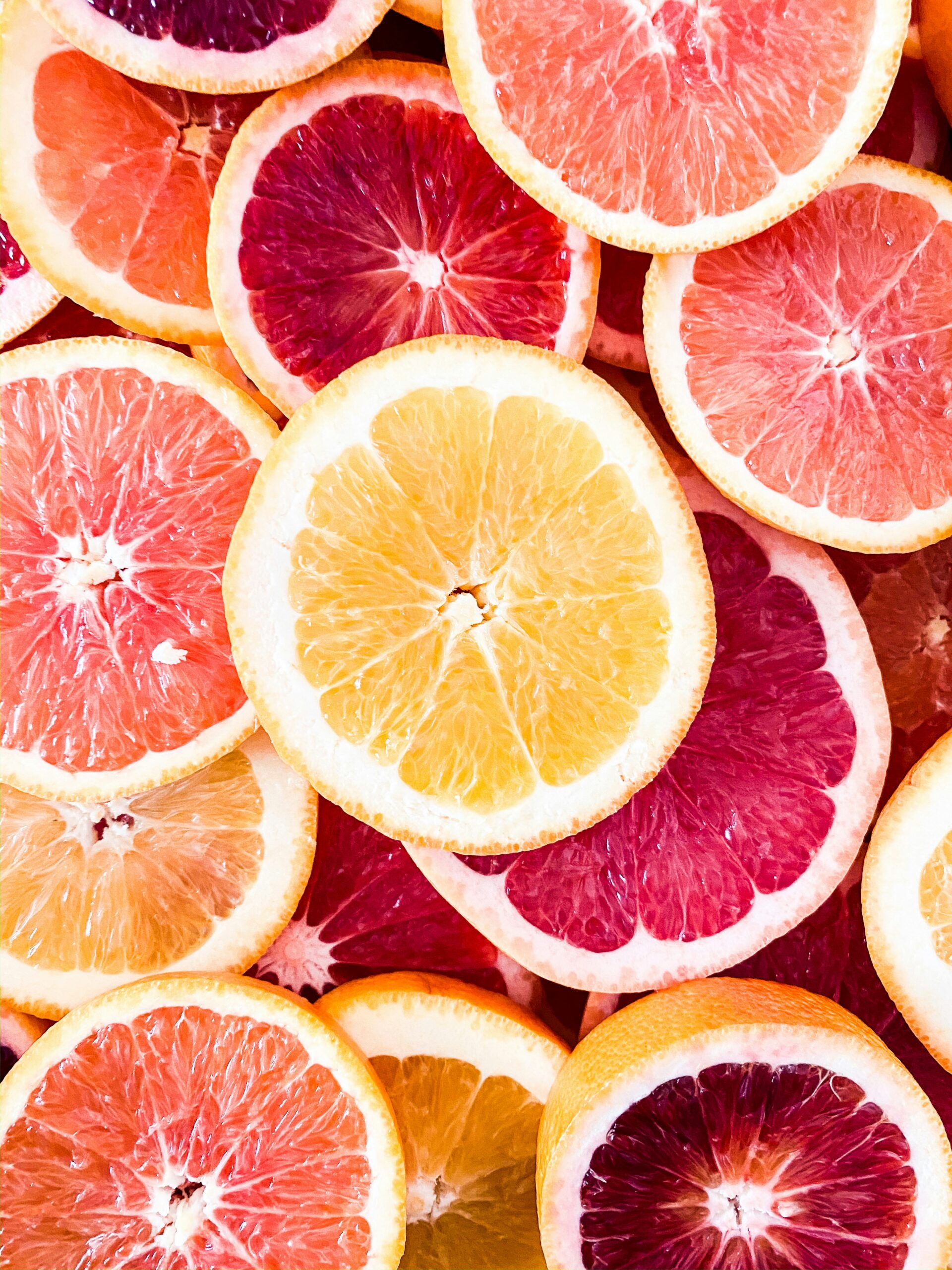
Today, with global citrus output above 158 million tonnes across more than 140 countries annually, citrus is among the most widely consumed fruit groups on earth and among the world’s largest fresh-fruit categories by production and trade volume. Beyond their commercial weight, citrus fruits has: a remarkable botanical history that genomics has only recently clarified; a phytochemical profile that continues to generate new research on cardiovascular, metabolic and anti-inflammatory effects; and a set of culinary traditions in which fruit, zest, juice, peel, leaves, and blossom each occupy distinct roles.
Botanical Foundations
A Three-Species Family
Until the 2010s, the taxonomy of the genus Citrus was contested and unstable: the Tanaka system recognised over 150 species, while the more conservative Swingle system accepted only sixteen. The whole-genome sequencing analysis published by Wu and colleagues in Nature in 2018 resolved much of this debate. Their work established that the great majority of commercially cultivated citrus derives predominantly from three primary ancestral, sexually compatible species, and that most commercially important citrus fruits are hybrids derived primarily from these three ancestral species. Some genomic treatments additionally recognise the papeda Citrus micrantha as a fourth primary ancestor, since it is the co-parent of the lime group.
The principal ancestral lineages emerged in a relatively narrow geographic triangle defined by north-eastern India, northern Myanmar and the Yunnan region of south-western China, where the genus diversified during the late Miocene, roughly seven to eight million years ago. From this centre of origin, these ancestral lineages followed different evolutionary and human trajectories before being repeatedly crossed in cultivation.
The Three Ancestral Species
Citron – Citrus medica
The citron is the western anchor of the genus. Native to the eastern Himalayan foothills, it travelled west earlier than any other citrus, reaching Persia and the Mediterranean before the common era. It is the source of the citron, the lemon (through hybridisation with sour orange), the lime, the bergamot and the makrut lime, among others. Its fruits are typically large, thick-peeled and aromatic, with relatively little juice, a profile that explains why much of its descendant lineage is valued for zest and acid rather than pulp.
Pomelo – Citrus maxima
The pomelo (or pummelo) is the largest of the citrus fruits and the principal contributor to the orange and grapefruit lineages. Native to South-East Asia, present-day Malaysia, Thailand and southern China, it spread eastward through the region long before reaching the West. Its fruit is firm-fleshed, low in acidity, and characterised by naringin, the bitter flavanone that defines its sensory signature and that of its descendants, most notably grapefruit.
Mandarin – Citrus reticulata
The mandarin is the East Asian centre of the family, native to southern China and the Indochinese peninsula. It is the most domesticated of the three founders; genomic analysis indicates that introgression of pomelo alleles into the mandarin gene pool over centuries of selection correlated with larger fruit size and reduced acidity, producing the palatable mandarins we know today. Mandarins contribute the easy-peeling texture and sweet, low-acid profile to the sweet orange, the tangelo, the clementine and the satsuma.
Several minor wild species, notably Citrus micrantha (a papeda) and Citrus ichangensis (Ichang papeda), also contributed to specific hybrids such as some limes and yuzu. The kumquat lineage, traditionally classified as the separate genus Fortunella but now generally subsumed within Citrus by modern phylogenomics, crosses with other Citrus species to yield interspecific hybrids such as the calamansi.