
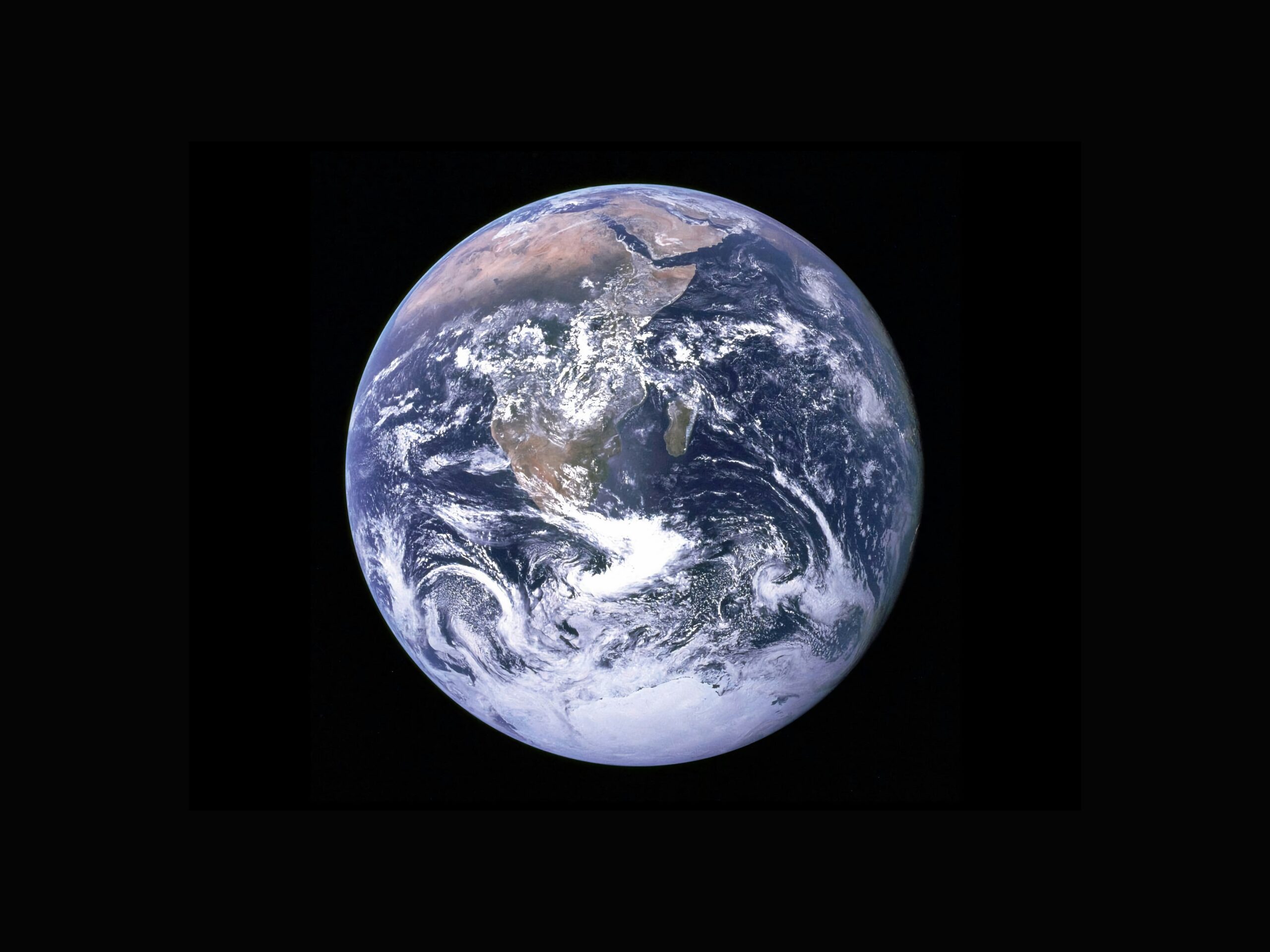
Every year, species that have existed for millions of years disappear from the planet, not through the slow, natural march of evolution, but in the blink of a geological eye. Scientists estimate that species are currently going extinct at a rate 1,000 times higher than the natural background rate that prevailed before humans became a dominant force on Earth. According to research published in the journal Conservation Biology, the pre-human background extinction rate was approximately 0.1 extinctions per million species per year. Today, we are driving losses at a pace that, on geological timescales, is essentially instantaneous.
The numbers are as striking as they are sobering. The IUCN Red List of Threatened Species, the world’s most authoritative inventory of biodiversity status, has now assessed more than 172,600 species. Of those, 47,187 are threatened with extinction: that is 28% of all assessed species. One in three tree species faces extinction. More than 40% of amphibian species are at risk. Entire ecosystems are being quietly unmade.
What Does ‘Endangered’ Actually Mean?
The word ‘endangered’ is often used loosely in public discourse, but in conservation science it has a precise, internationally agreed-upon definition. The system used to classify species by extinction risk is maintained by the International Union for Conservation of Nature (IUCN), a global authority founded in 1964.
The IUCN Red List places each assessed species into one of nine categories based on quantitative criteria: population size, rate of decline, geographic range, and the probability of extinction modelled over defined time horizons. The three categories collectively termed ‘threatened’, Vulnerable, Endangered, and Critically Endangered, represent progressively higher extinction risk.
| Category | Definition | Threshold Criteria |
|---|---|---|
| Extinct (EX) | No living individuals remain anywhere. | The endpoint: the last member of the species has died. |
| Extinct in the Wild (EW) | Survives only in captivity or cultivation. | The species persists but no longer exists in its natural environment. |
| Critically Endangered (CR) | Extremely high risk of extinction in the wild. | Population decline of ≥80% over 10 years, or fewer than 50 mature individuals. |
| Endangered (EN) | Very high risk of extinction in the wild. | Population decline of ≥50% over 10 years, or fewer than 250 mature individuals. |
| Vulnerable (VU) | High risk of becoming endangered. | Population decline of ≥30% over 10 years, or fewer than 1,000 mature individuals. |
| Near Threatened (NT) | Close to qualifying for a threatened category. | Not currently at risk, but warrants monitoring. |
| Least Concern (LC) | Widespread and abundant. | No significant extinction risk under current conditions. |
The Red List has been cataloguing species since 1964, but the scale of the task is immense. Of an estimated two million or more known species on Earth, fewer than 10% have been formally assessed. This means the true scope of the biodiversity crisis is almost certainly larger than current figures indicate. The species we haven’t yet evaluated are, statistically, more likely to be at risk than those we have.
The Main Drivers of Species Loss
Species do not disappear spontaneously. Behind each extinction (documented or unfolding) there is a human-driven cause, or more often a combination of causes. Conservation biologists organise these into a framework known by the acronym HIPPO, which covers the five primary drivers of biodiversity loss worldwide.
| Driver | What It Means | Scale of Impact |
|---|---|---|
| Habitat Loss & Land Use Change | Deforestation, agriculture expansion, urban sprawl, and wetland drainage destroy the ecosystems species depend on. | The leading cause of species decline globally; responsible for the majority of terrestrial extinctions since 1500. |
| Invasive Species | Non-native species introduced (intentionally or accidentally) outcompete, predate, or transmit disease to native wildlife. | Particularly devastating on islands; responsible for 40% of animal extinctions since 1500. |
| Pollution | Pesticides, heavy metals, plastic, noise, and light pollution degrade air, water, and soil quality. | Affects species across all environments; endocrine-disrupting chemicals alter reproduction in amphibians, fish, and mammals. |
| Population Growth & Overexploitation | Unsustainable hunting, fishing, poaching, and logging exceed the regenerative capacity of wild populations. | An estimated 34% of fish stocks are overfished; illegal wildlife trade is now the world’s fourth largest criminal enterprise. |
| Climate Change | Shifts in temperature, precipitation, and ocean chemistry force species to adapt, migrate, or face extinction. | Projected to become the dominant driver of biodiversity loss by mid-century if emissions remain on current trajectories. |
These drivers rarely operate in isolation. The vaquita, the world’s most endangered marine mammal, which we will profile in next week’s article, illustrates the compounding nature of these threats with devastating clarity: its habitat in the Upper Gulf of California has been disrupted by the loss of Colorado River water flow (habitat change), while the species is being driven to extinction by bycatch in illegal gillnets targeting the totoaba fish, whose swim bladder is trafficked to black markets in China (overexploitation and trade). Fewer than ten individuals are believed to remain.
Why Biodiversity Loss Matters, Beyond the Animals
Discussions about endangered species often centre on the intrinsic value of the animals themselves, their beauty, their rarity, their evolutionary uniqueness. These are legitimate reasons to care. But biodiversity loss is also a profoundly practical problem with far-reaching consequences.
Ecosystem Services
Every species, however inconspicuous, performs a role within its ecosystem. Pollinators: bees, butterflies, hoverflies, beetles, are responsible for the reproduction of an estimated 75% of the world’s flowering plant species, including many of the crops that feed humanity. Healthy forests regulate rainfall and sequester carbon. Wetlands filter water. Coral reefs protect coastlines. When species are lost, the services they provide erode with them, often silently, incrementally, until the system reaches a tipping point.
Food Security
Modern agriculture has concentrated global food production around a narrow set of varieties. The genetic diversity held within wild relatives of crop plants, grasses, legumes, roots, represents an irreplaceable reservoir of traits for disease resistance, drought tolerance, and yield improvement. The UN Food and Agriculture Organization (FAO) has flagged the erosion of agrobiodiversity as one of the most significant and underappreciated threats to long-term food security.
Human Health
Biodiversity is also a medical resource. Roughly half of all pharmaceutical compounds in current clinical use have their origins in natural products, compounds derived from plants, fungi, marine organisms, and microbes. Many of the discoveries that remain to be made exist in species not yet described by science, or in ecosystems currently being destroyed. There is also the public health dimension: healthy, biodiverse ecosystems buffer against the emergence of zoonotic diseases. When habitat loss brings wildlife and human populations into closer contact, the conditions for pathogen spillover, as evidenced by the origins of HIV, Ebola, and SARS-CoV-2, become more likely.
The Production Chain Connection
For businesses operating in the organic, vegan, and cruelty-free space, biodiversity is not an abstract concern, it is a foundational condition. Sustainable supply chains require stable ecosystems: pollinators for plant-based ingredients, intact soils for organic farming, clean water for processing and cultivation. A world in which biodiversity continues to erode is a world in which the conditions for ethical, regenerative production become progressively harder to maintain. Protecting species and their habitats is, in this sense, inseparable from protecting the integrity of these production systems.
The Connection to Conscious Consumption
The link between individual consumption choices and global biodiversity may not be immediately visible, but it is real, and it runs through some of the most powerful forces shaping ecosystems worldwide.
Animal agriculture is one of the leading drivers of habitat destruction globally, accounting for a substantial share of deforestation in tropical regions. Demand for wild-caught fish sustains fishing practices that place enormous pressure on marine biodiversity. Pesticide-intensive agriculture contributes to the decline of pollinators and soil microbiomes. The illegal wildlife trade (driven in large part by consumer demand for exotic pets, luxury goods, and traditional medicines) is among the most direct vectors of species overexploitation.
Choosing organic foods reduces exposure to the pesticide inputs that degrade biodiversity in agricultural landscapes. Plant-based diets lower the demand for land-intensive livestock production. Cruelty-free products eliminate demand chains that draw on wildlife or exploit animal populations. These connections are not incidental to the values of conscious consumers, they are central to them.
None of this implies that individual choices alone can reverse a crisis of planetary scale. Policy, enforcement, and international cooperation are essential. But the aggregate signal of informed consumer demand, directed through markets toward producers with genuine ecological commitments, is a meaningful part of the systemic response the biodiversity crisis requires.
What This Series Covers
Every Friday, Bem Bloom publishes a profile of one species currently listed on the IUCN Red List as Vulnerable, Endangered, or Critically Endangered. Each article examines one species: its biology and behaviour, its geographic range, the specific threats driving its decline, current conservation efforts, and the latest population data.
The series is deliberately wide in scope, spanning mammals, birds, reptiles, amphibians, fish, invertebrates, and plants, because the biodiversity crisis is not limited to the charismatic megafauna that dominate conservation headlines.
We begin next week with the vaquita (Phocoena sinus), a small porpoise found exclusively in a narrow stretch of the Upper Gulf of California, Mexico. With only 7 to 10 individuals confirmed in the most recent 2025 survey (down from an estimated 567 in 1997) the vaquita holds the unenviable distinction of being the world’s most endangered marine mammal, and one of the most endangered animals of any kind. Its story is one of illegal fishing, international wildlife trafficking, conservation innovation, and the limits of late intervention. It is a story worth knowing.
What You Can Do
The scale of the biodiversity crisis can be paralyzing. But there are concrete, meaningful actions available at every level of engagement.
- Choose products with credible ecological and ethical certifications, organic, Fairtrade, Marine Stewardship Council, Rainforest Alliance, Certified Sustainable Palm Oil (CSPO), and look beyond the label to understand what each actually guarantees.
- Reduce consumption of animal products, particularly those sourced from systems with documented biodiversity footprints.
- Support organisations working directly on species conservation and habitat protection, among them the IUCN Species Survival Commission, the WWF, the Wildlife Conservation Society, and the Sea Shepherd Conservation Society.
- Stay informed. The species we cover in this series each have their own advocacy communities, petitions, and campaigns where public engagement genuinely matters.
- Engage with policy. Biodiversity protection at the scale required depends on regulatory frameworks, at national and international levels, that reflect the ecological reality of what is at stake.
The losses are real. But so is the knowledge of how to slow them, and in some cases, how to reverse them. That is what this series is about.
Sources and Further Reading
De Vos, J.M. et al. (2015). Estimating the Normal Background Rate of Species Extinction. Conservation Biology.
IUCN (2025). The IUCN Red List of Threatened Species. iucnredlist.org
IUCN (October 2024). More than one in three tree species worldwide faces extinction. IUCN Press Release.
FAO (2024). Biodiversity for Food and Agriculture. fao.org/biodiversity
WHO (2025). Biodiversity. https://www.who.int/news-room/fact-sheets/detail/biodiversity