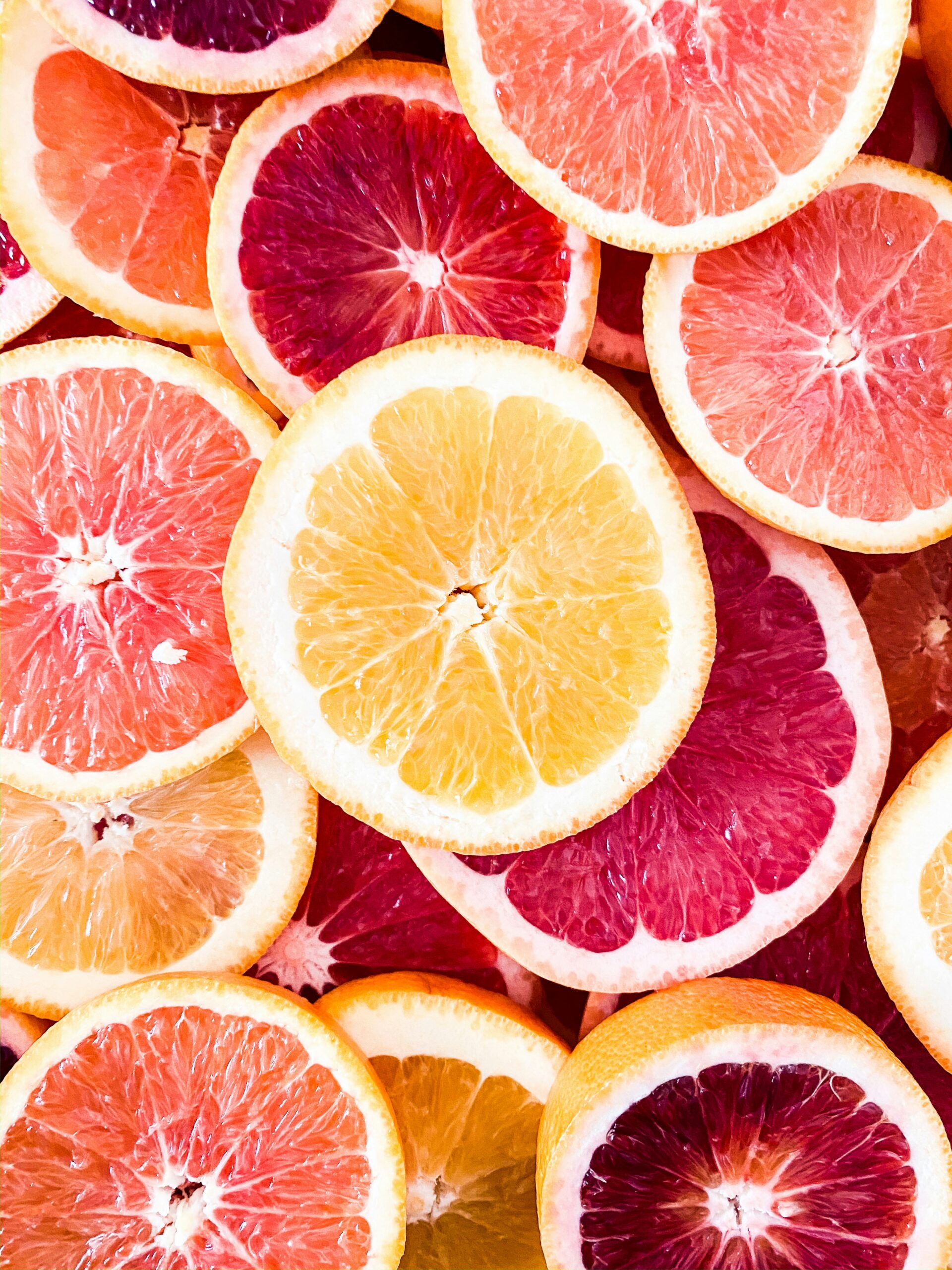
Citrus Fruits
Photo by Rayia Soderberg on Unsplash

Today, with global citrus output above 158 million tonnes across more than 140 countries annually, citrus is among the most widely consumed fruit groups on earth and among the world’s largest fresh-fruit categories by production and trade volume. Beyond their commercial weight, citrus fruits has: a remarkable botanical history that genomics has only recently clarified; a phytochemical profile that continues to generate new research on cardiovascular, metabolic and anti-inflammatory effects; and a set of culinary traditions in which fruit, zest, juice, peel, leaves, and blossom each occupy distinct roles.

Botanical Foundations

A Three-Species Family

Until the 2010s, the taxonomy of the genus Citrus was contested and unstable: the Tanaka system recognised over 150 species, while the more conservative Swingle system accepted only sixteen. The whole-genome sequencing analysis published by Wu and colleagues in Nature in 2018 resolved much of this debate. Their work established that the great majority of commercially cultivated citrus derives predominantly from three primary ancestral, sexually compatible species, and that most commercially important citrus fruits are hybrids derived primarily from these three ancestral species. Some genomic treatments additionally recognise the papeda Citrus micrantha as a fourth primary ancestor, since it is the co-parent of the lime group.

The principal ancestral lineages emerged in a relatively narrow geographic triangle defined by north-eastern India, northern Myanmar and the Yunnan region of south-western China, where the genus diversified during the late Miocene, roughly seven to eight million years ago. From this centre of origin, these ancestral lineages followed different evolutionary and human trajectories before being repeatedly crossed in cultivation.

The Three Ancestral Species

Citron – Citrus medica

The citron is the western anchor of the genus. Native to the eastern Himalayan foothills, it travelled west earlier than any other citrus, reaching Persia and the Mediterranean before the common era. It is the source of the citron, the lemon (through hybridisation with sour orange), the lime, the bergamot and the makrut lime, among others. Its fruits are typically large, thick-peeled and aromatic, with relatively little juice, a profile that explains why much of its descendant lineage is valued for zest and acid rather than pulp.

Pomelo – Citrus maxima

The pomelo (or pummelo) is the largest of the citrus fruits and the principal contributor to the orange and grapefruit lineages. Native to South-East Asia, present-day Malaysia, Thailand and southern China, it spread eastward through the region long before reaching the West. Its fruit is firm-fleshed, low in acidity, and characterised by naringin, the bitter flavanone that defines its sensory signature and that of its descendants, most notably grapefruit.

Mandarin – Citrus reticulata

The mandarin is the East Asian centre of the family, native to southern China and the Indochinese peninsula. It is the most domesticated of the three founders; genomic analysis indicates that introgression of pomelo alleles into the mandarin gene pool over centuries of selection correlated with larger fruit size and reduced acidity, producing the palatable mandarins we know today. Mandarins contribute the easy-peeling texture and sweet, low-acid profile to the sweet orange, the tangelo, the clementine and the satsuma.

Several minor wild species, notably Citrus micrantha (a papeda) and Citrus ichangensis (Ichang papeda), also contributed to specific hybrids such as some limes and yuzu. The kumquat lineage, traditionally classified as the separate genus Fortunella but now generally subsumed within Citrus by modern phylogenomics, crosses with other Citrus species to yield interspecific hybrids such as the calamansi.

The Citrus Lineage A diagram showing how three central ancestral citrus species (citron, mandarin, pomelo) together with kumquat and the papedas — two independent lineages — gave rise through repeated hybridisation to the major commercial citrus fruits. After Wu et al., Nature 2018. The Citrus Lineage Five pure lineages — three central ancestors plus kumquat and the papedas — and the hybrid network they generated Phylogenomic framework after Wu et al., Nature, 2018 Pure species First-order hybrids Second-order Third-order commercial Papedas C. ichangensis, C. micrantha Citron Citrus medica Mandarin Citrus reticulata Pomelo Citrus maxima Kumquat Citrus japonica (formerly Fortunella) minor contributors independent lineage Key Lime Citron × C. micrantha Citrus × aurantiifolia Sour Orange Pomelo × Mandarin · (Bitter / Seville) Citrus × aurantium Yuzu Ichang papeda × Mandarin Citrus × junos Lemon Citron × Sour Orange Citrus × limon Sweet Orange Complex Pomelo–Mandarin admixture Citrus × sinensis Bergamot Sour Orange × Lemon Citrus × bergamia (debated) Calamansi Kumquat × Sour Mandarin Citrus × microcarpa Persian Lime Lemon × Key Lime (triploid) Citrus × latifolia Grapefruit Pomelo × Sweet Orange Citrus × paradisi Clementine Mandarin × Sweet Orange Citrus × clementina Tangelo Mandarin × Pomelo/Grapefruit Citrus × tangelo Ancestral colour key Citron (Citrus medica) Mandarin (Citrus reticulata) Pomelo (Citrus maxima) Kumquat (independent lineage) Papedas (minor contributors) Solid line = primary parentage Dashed line = secondary or indirect contribution Coloured bands on each hybrid box indicate the two ancestral contributors. “Papedas” is a diverse wild clade shown here as a single block, and the taxonomic rank of these ancestral lineages is debated among botanists. Some parentages remain probabilistic (e.g. bergamot), and sweet orange, grapefruit and the cultivated mandarins are complex admixtures rather than single one-generation crosses. Varieties profiled in the article but not shown separately are cultivars or close relatives of the types above: Etrog and Buddha’s Hand (citron); Meyer lemon (lemon); blood orange and navel (sweet orange); satsuma (mandarin); sudachi and kabosu (yuzu relatives); makrut lime and finger lime (further papeda / Australian-lime lineages not central to the commercial network shown here).
The citrus lineage – after Wu et al. (2018), with kumquat and papedas shown as independent ancestral lineages.

Three Waves of Global Diffusion

Citrus left its centre of origin in three broad waves. The first followed overland trade routes through Persia from roughly the fourth century BCE; the citron appears in Mediterranean records by the time of Theophrastus, and was for several centuries the only citrus known in Europe. The second wave was driven by Arab expansion between the eighth and twelfth centuries, which introduced the sour orange, the lemon and the lime to al-Andalus and Sicily, and from there to the rest of the Mediterranean. The third wave came with Iberian and later European maritime expansion: Portuguese and Spanish navigators carried sweet orange, lemon and lime to the Americas and to West Africa from the fifteenth century onward, planting the citrus belts that would become (five centuries later) the foundation of the modern Brazilian industry and, historically, the major Floridian citrus belt, the latter now substantially reduced by citrus greening disease (HLB).

East Asia followed a parallel internal trajectory: the mandarin was domesticated and refined in China over millennia, and varieties such as the satsuma, the yuzu and the sudachi were developed in Japan and Korea largely independently of the Mediterranean lineage. Today, Asia accounts for roughly 51% of global citrus production, followed by South America (18%), Europe (15%) and Africa (13%).

The defining agricultural challenge facing the industry today is Huanglongbing (HLB), or citrus greening, a bacterial disease spread by the Asian citrus psyllid, for which there is currently no cure. It has reshaped global production over the past two decades, most dramatically in Florida, where output has fallen to a fraction of its early-2000s peak, and it has placed significant pressure on growers in Brazil, China and elsewhere. Breeding for tolerance or resistance, alongside psyllid control and grove management, is now among the highest priorities in citrus research worldwide.

The Citrus Spectrum

The twenty cultivated forms below are organised by their phylogenomic lineage.

Citron (Citrus medica)

The original cultivated citrus in the West and the first to reach the Mediterranean, present in Italy and the Levant since at least the fourth century BCE. Cultivated today in Calabria, Sicily, Corsica and Israel. Thick-peeled with minimal juice, it is grown almost entirely for its zest.

Etrog Citron (Citrus medica var. Etrog)

A citron cultivar with continuous religious significance in Judaism, one of the four species used during Sukkot. Cultivated under strict horticultural protocols in Israel, Morocco and southern Italy. Beyond the ritual use, also processed into preserves and candied peel.

Buddha’s Hand (Citrus medica var. sarcodactylis)

A morphological mutant of citron with finger-like segmented fruits and almost no pulp. Native to north-eastern India and southern China, grown traditionally across East Asia. Valued for an unusually aromatic, bitterness-free zest, with a growing presence in European and North American specialty markets.

Lemon (Citrus × limon)

Genomically a hybrid of citron and sour orange (itself pomelo × mandarin), the lemon spread through the medieval Mediterranean under Arab agricultural expansion. India, Mexico, China, Argentina, Spain and Italy lead world production. The most versatile culinary citrus, used across virtually every cuisine for juice, zest and essential oil.

Meyer Lemon (Citrus × meyeri)

A hybrid likely involving mandarin and/or sweet orange ancestry, introduced to the United States from China in 1908. Sweeter, less acidic and more aromatic than standard lemon, with a thin, edible peel. Cultivated principally in California and New Zealand.

Lime – Persian, Key, Makrut and Finger

Several distinct fruits share the lime name. The Persian lime (Citrus × latifolia) is the dominant commercial variety, triploid and seedless, led by Mexico and Brazil. The Key lime (Citrus × aurantiifolia) is smaller, more aromatic, and central to Caribbean and South-East Asian cooking. The makrut lime (Citrus hystrix, formerly commonly called kaffir lime) is grown for its aromatic leaves, indispensable in Thai and Cambodian cuisine. The finger lime (commonly classified as Citrus australasica F.Muell) is an Australian native producing caviar-like vesicles, now a specialty gastronomic ingredient.

Bergamot (Citrus × bergamia)

A probable lemon × sour orange hybrid (parentage debated), cultivated almost exclusively along a hundred-kilometre stretch of the Calabrian Ionian coast, an estimated 80-90% of world production. The peel oil defines Earl Grey tea and supports perfumery and liqueur industries. Bergamot juice contains brutieridine and melitidine, two flavanone glycosides absent from other citrus and the subject of systematic review of clinical trials on lipid profile.

Pomelo (Citrus maxima)

The largest of the citrus fruits and one of the three founders of the genus. Native to Malaysia, Thailand and southern China, it remains a staple of East and South-East Asian cuisines and a fixture in Lunar New Year and Mid-Autumn Festival celebrations. China and Thailand lead production. The flavour profile is milder and less bitter than grapefruit.

Grapefruit (Citrus × paradisi)

A natural hybrid of pomelo and sweet orange that emerged in Barbados in the eighteenth century and was developed commercially in Florida from the late nineteenth. The pink and red cultivars accumulate lycopene alongside β-carotene. The grapefruit–drug interaction mediated by furanocoumarins and CYP3A4 inhibition is the most clinically significant safety issue in the citrus family.

Mandarin and Tangerine (Citrus reticulata)

Domesticated in southern China over thousands of years and the fastest-growing segment of the global citrus trade. “Mandarin” and “tangerine” are commercial rather than botanical labels, with the latter typically referring to deeper-coloured, more aromatic Mediterranean and North African selections. China dominates production, with global output forecast at around 38.4 million tonnes for 2025/26. The lineage is among the richest commonly consumed dietary sources of β-cryptoxanthin.

Clementine (Citrus × clementina)

A mandarin × sweet orange hybrid developed in Algeria around 1902 and now one of the most popular fresh winter citrus fruits in Europe. Spain, Morocco and Turkey lead production. Seedless, easy to peel, and consistently sweet.

Satsuma (Citrus unshiu)

A seedless, cold-hardy mandarin developed in Japan over several centuries. Its cold tolerance extends cultivation into less subtropical regions including northern Spain, Korea, the south-eastern United States and parts of Turkey. The peel separates cleanly from the flesh and the fruit is generally less acidic than Mediterranean clementine.

Tangelo (Citrus × tangelo)

A secondary hybrid of mandarin and either pomelo or grapefruit. The Minneola and Orlando are the most widely planted. Tangelos illustrate how modern citrus breeding continues to recombine the three ancestral lineages, partially reverting toward the pomelo side after centuries of mandarin domestication.

Sweet Orange (Citrus × sinensis)

Genomically a complex hybrid in which pomelo and mandarin alleles are interleaved across the chromosomes, the sweet orange is the most commercially important citrus globally, accounting for almost half of all citrus production. Brazil dominates global supply, with Spain, China, Egypt, the United States, Mexico and South Africa as the other principal producers. Common (Valencia, Hamlin) and navel oranges are the two main commercial groups.

Blood Orange (Citrus × sinensis, pigmented cultivars)

Sweet orange cultivars (Tarocco, Moro, Sanguinello) that accumulate anthocyanins in the flesh and peel under cold night-time temperatures during ripening, a trait largely unique among mainstream commercial citrus. The Italian PGI “Arancia Rossa di Sicilia” covers production around Mount Etna. Anthocyanins give blood oranges a polyphenol profile closer to red berries than to other citrus.

Bitter / Seville Orange (Citrus × aurantium)

A pomelo × mandarin hybrid that preceded sweet orange in the Mediterranean by several centuries. Too bitter to eat fresh but central to marmalade, to liqueurs (Curaçao, Cointreau, Grand Marnier), and to neroli and petitgrain oils. Spain remains the dominant producer.

Yuzu (Citrus × junos)

A hybrid of Citrus ichangensis (Ichang papeda) and a sour mandarin, cold-tolerant and slow-growing. Originated in central China but culturally central in Japan and Korea. Commercial production is concentrated in the Kōchi, Tokushima and Ehime prefectures, with smaller cultivation now established in France and Spain.

Sudachi and Kabosu

Two regional Japanese citrus closely related to yuzu. Sudachi (Citrus sudachi) is grown almost entirely in Tokushima Prefecture; kabosu (Citrus sphaerocarpa) is concentrated in Ōita on Kyushu. Both are harvested green for their juice and zest, with floral, less aggressive acidity than lemon.

(traditionally classified as the separate genus Fortunella)

Unlike the many commercially important citrus fruits that are hybrids derived primarily from citron, mandarin and pomelo ancestry, kumquats represent an independent ancestral lineage within the Citrus clade. They diverged from the three central ancestors early in the family’s evolution and contributed relatively little to the ancestry of the major global citrus crops. The reclassification of Fortunella into Citrus by modern phylogenomics reflects their proximity within the genus, but the lineage remains genetically distinct.

Kumquat (Citrus japonica and related species, formerly Fortunella spp.)

One of the few citrus routinely eaten whole (peel and flesh together) because the sweet peel balances the tart flesh. Native to southern China, with the Nagami and Meiwa cultivars most widely grown. Significant cultivation in China, Taiwan, Greece (Corfu PGI) and Florida. The whole-fruit consumption profile makes kumquats among the higher-fibre citrus fruits regularly consumed (around 6.5 g per 100 g).

Calamansi / Calamondin (Citrus × microcarpa)

An interspecific hybrid between sour mandarin and kumquat, central to Filipino cuisine and widely used across the Philippines, Malaysia, Indonesia and southern China. Small, thin-skinned and intensely sour-aromatic, increasingly available in Western specialty produce markets.

Nutritional and Phytochemical Significance

Beneath the considerable variation in taste, colour and acidity, all citrus fruits share a common nutritional architecture: vitamin C, a family-defining flavonoid suite, carotenoids (in varying composition), pectin-dominant dietary fibre, and a thin but biologically active layer of essential oil concentrated in the peel. Macronutrient content is modest, citrus are not a meaningful source of protein or fat, and total carbohydrates remain in the 7-11 g per 100 g range across most varieties, so the nutritional weight of citrus rests almost entirely on the micronutrient and phytochemical fraction.

Rutaceae
Citrus Fruits – Nutrition Explorer

Per 100 g

Source note: 9 entries from USDA FoodData Central SR Legacy (raw, edible portion). Clementine is from CIQUAL 2025, ANSES (France), food code 13024, this fruit has no separate raw entry in USDA SR Legacy. Values may differ slightly between databases due to different analytical methods and sampling populations. · 0 values may indicate the nutrient was not measured, not that it is absent.
Macros
Minerals
Vitamins
Show
Most first
—
Highest
—
Average
—
Lowest
—
Daily Value
USDA SR Legacy – Orange, Grapefruit (pink/red & white), Lemon, Lime, Tangerine, Kumquat, Tangelo, Pummelo CIQUAL 2025 (ANSES, France) – Clementine / Mandarin

All values per 100 g raw edible portion · % DV based on FDA 2,000 kcal/day reference

Vitamin C

Vitamin C (ascorbic acid) is the most prominent and clinically established nutrient in citrus. Concentrations vary substantially: oranges and lemons sit at the upper end (~53 mg per 100 g), kumquats around 44 mg, grapefruit closer to 31 mg and mandarins around 27 mg, according to USDA FoodData Central. A single medium orange (~130 g) supplies the full adult daily reference intake. Beyond its role in preventing scurvy, vitamin C is essential for collagen biosynthesis, non-haem iron absorption and the regeneration of vitamin E, and it functions as a major aqueous-phase antioxidant. Humans, unlike most mammals, cannot synthesise ascorbic acid endogenously, which places dietary sources at the centre of vitamin C status.

Flavonoids

Flavonoids are the defining bioactive class of citrus and the principal driver of the broader research interest in the family. The main subclasses are flavanones (hesperidin, naringenin, eriocitrin, narirutin), polymethoxyflavones (nobiletin, tangeretin, sinensetin) and flavones (rutin, diosmin). Hesperidin dominates the orange and lemon profile; naringenin and naringin are most concentrated in grapefruit and pomelo and account for their characteristic bitterness; nobiletin and tangeretin are abundant in mandarin peel and the subject of significant preclinical research on cognition and metabolism; brutieridine and melitidine are essentially unique to bergamot. Polymethoxyflavones, in particular, are concentrated in peel rather than juice, which is part of why peel use is nutritionally and culinarily meaningful.

Carotenoids

Carotenoids contribute the orange and red pigmentation of most citrus and add a fat-soluble antioxidant fraction to the predominantly water-soluble nutritional profile. Unlike the carotenoids of green leafy vegetables, which are bound to proteins in chloroplasts, citrus carotenoids are concentrated in chromoplasts and can exhibit relatively high bioavailability, a structural difference that supports their delivery to circulation. Mandarins and tangerines are the principal dietary source of β-cryptoxanthin, a pro-vitamin A carotenoid; pink and red grapefruit accumulate lycopene; blood oranges are unusual in adding anthocyanins to the carotenoid baseline. Lemons, limes and pomelo are carotenoid-poor by comparison.

Dietary Fibre and Pectin

Citrus fruits supply roughly 2-3 g of fibre per 100 g of edible flesh, but the figure rises substantially when peel and pith are included, kumquats, eaten whole, are among the highest-fibre fruits in regular consumption. The dominant fibre is pectin, a soluble polysaccharide that supports gut microbiota diversity, slows gastric emptying, and dampens postprandial glucose excursions. Drinking juice rather than eating whole fruit removes nearly all of this fibre, which is the principal reason whole-fruit consumption tends to produce more sustained metabolic outcomes in clinical studies than juice.

Essential Oils

The peel of every citrus contains an essential oil fraction dominated by D-limonene, typically 80-95% of the oil in sweet orange and mandarin, around 45-70% in lemon, and lower again in lime and bergamot, where γ-terpinene, β-pinene, linalyl acetate, citral and linalool make up a larger fraction. These oils are responsible for the aromatic dimension of zest in cooking and for the perfumery, aromatherapy and food-additive applications of citrus-peel oils. The same compounds also drive much of the in vitro antimicrobial and anti-inflammatory activity reported in citrus research, though the doses used in laboratory studies are rarely achievable through ordinary dietary intake.

Health Benefits Across the Category

The scientific literature on citrus and human health is unusually extensive, the result of citrus’s economic importance, ease of clinical recruitment, and the analytical accessibility of its bioactive compounds. The synthesis below draws on the most cited recent reviews and presents benefits at the category level, with cluster articles addressing fruit-specific evidence in more detail.

A 2025 review in the Journal of Food Science synthesised the evidence linking citrus consumption to protective effects against metabolic syndrome, type 2 diabetes, cardiovascular disease and obesity, while noting that bioactive compound content varies substantially across species and that data aggregation is complicated by methodological differences between studies.

Cardiovascular Protection

Among health outcomes, the cardiovascular evidence base is the most developed. Citrus flavanones, chiefly hesperidin and naringenin, have been associated in clinical and mechanistic studies with associations with lower LDL oxidation markers, improvements in flow-mediated dilation (FMD), a measure of endothelial function, and small reductions in blood pressure in clinical trials at doses achievable through normal dietary consumption. A 2024 review in Nutrition Reviews reported that orange juice consumption was associated with lower BMI, waist circumference and body fat percentage in adults, while summarising meta-analytic evidence that citrus consumption and its extracts decrease BMI, waist and hip circumference, and body weight in a dose-dependent manner. The bergamot flavonoid fraction is the most extensively studied for lipid-specific effects, with several small clinical trials and meta-analyses indicating reductions in total cholesterol, LDL and triglycerides; the evidence base is promising but limited by trial size and heterogeneity.

Immune Support

Vitamin C is one of the most thoroughly studied immune-supportive nutrients, with established roles in neutrophil function, lymphocyte proliferation, skin and epithelial barrier integrity, and antioxidant protection of immune cells under oxidative stress. The clinical evidence for reducing the duration of common cold symptoms with vitamin C supplementation is modest but consistent. Citrus fruits are not the only dietary source. peppers, broccoli and many berries match or exceed citrus on a per-gram basis, but they remain among the most accessible, year-round and shelf-stable sources for most populations.

Anti-Inflammatory Effects

Chronic low-grade inflammation is implicated in the pathophysiology of most non-communicable diseases of ageing. Citrus flavonoids, especially hesperidin, naringenin and the polymethoxyflavones, have demonstrated anti-inflammatory activity in preclinical and clinical models, with effects on cytokine production (IL-6, TNF-α), NF-κB signalling and COX-2 expression. The translational distance between these mechanistic findings and clinical outcomes remains substantial, but several intervention trials have reported reductions in circulating inflammatory markers with sustained citrus consumption.

Cancer Risk Modulation

Epidemiological data link higher citrus intake with modestly lower risk of cancers of the upper gastrointestinal tract, particularly oesophageal and gastric cancers, with the most consistent associations emerging in case-control studies. The FAO’s nutritional review of citrus summarises this body of evidence, though much of the epidemiological literature it draws on is observational and pre-dates modern dietary-assessment methods. Limonoids and polymethoxyflavones have shown antiproliferative effects in cell-line and animal models of breast, lung and colon cancer, but human clinical evidence is limited and most claims here remain at the level of biomarker change rather than incidence endpoints. Citrus should be understood as one element of a broadly protective dietary pattern rather than a single-target chemopreventive agent.

Weight and Metabolic Health

The Nutrition Reviews comprehensive review (2024) synthesised meta-analytic evidence of statistically significant decreases in BMI, waist circumference and body weight associated with citrus consumption and citrus-derived extracts, with effects more pronounced at higher intake. Proposed mechanisms include AMP-activated protein kinase activation, inhibition of lipogenic enzymes, and modulation of adipocyte differentiation. The same review explicitly notes that evidence from human studies remains limited and inconsistent compared with the more developed in vitro and animal literature. The practical implication is that citrus is a useful component of a calorie-controlled, fibre-rich dietary pattern rather than a standalone weight-loss strategy.

Gut Health

The pectin and soluble fibre in citrus act as prebiotic substrates for Lactobacillus and Bifidobacterium species, supporting microbial diversity in the colon. A varied microbiome is increasingly understood as an upstream determinant of immune regulation, mood and metabolic health. The gut benefit of citrus depends heavily on consuming the whole fruit rather than juice, since the fibre fraction is what feeds the microbiota; fresh juice retains a substantial portion of the vitamin C and a meaningful share of the flavonoid load, though commercial processing can reduce flavonoid content significantly, and all juice loses the fibre matrix.

Why Organic Matters for Citrus

Few fruit families bring the peel into the diet as routinely as citrus. Zest, marmalade, candied peel, dried peel (chenpi), whole-fruit kumquat consumption, makrut leaf, orange blossom water and peel-derived essential oils all carry the outer surface of the fruit through to the plate. This single feature distinguishes citrus from other fresh-fruit categories and is the principal argument for organic certification in this family.

Conventional citrus is routinely treated with post-harvest fungicides, imazalil, thiabendazole, ortho-phenylphenol, pyrimethanil and propiconazole, applied to prevent green and blue mould during transport and storage, and often coated with synthetic or shellac-based waxes that may carry additional active ingredients. These residues concentrate at the peel surface. Maximum residue levels are regulated by the European Food Safety Authority, but compliance describes a regulatory threshold, not the absence of residue. Certified organic citrus under EU Regulation 2018/848 prohibits synthetic post-harvest fungicides; organic post-harvest protection relies on cold storage, controlled atmosphere and a restricted list of natural treatments. The FiBL Organic World Yearbook tracks the steady expansion of organic citrus area and production worldwide.

If the recipe or product calls for zest, marmalade, whole-fruit candying, dried peel, peel oil or any preparation that retains the outer skin, the case for organic certification is at its strongest.

Selecting, Storing and Using Citrus

Selecting

Quality at point of purchase is best assessed by weight relative to size, a heavy fruit is one with high juice content, and by skin condition. Glossy, taut, firm skin with no soft spots indicates freshness; dull, wrinkled or pitted skin suggests dehydration or extended storage. Surface colour is a less reliable indicator than it appears: mandarins and oranges in tropical climates often remain green at full ripeness, and conventional fruit is occasionally degreened with ethylene gas to meet consumer expectations of orange-coloured oranges.

Storage

Whole citrus stores best at refrigerator temperature (4-8 °C) in the produce drawer, where most varieties hold for two to three weeks; lemons and limes can extend to four weeks under good conditions. Room-temperature storage is acceptable for periods of three to five days. Cut fruit should be tightly wrapped or sealed and consumed within two days; juice oxidises rapidly and loses vitamin C with exposure to air and light, so fresh juice is best consumed soon after pressing.

Maximising the Whole Fruit

Zest before juicing: once a fruit is cut, the peel is awkward to grate and the volatile oils begin to dissipate. Frozen zest retains aroma well; juice freezes acceptably in ice-cube trays for cooking use, with some loss of fresh character. The pith (the white spongy layer between peel and flesh) is bitter in most citrus but contains the highest concentration of pectin and hesperidin; in marmalade, candied peel and certain liqueurs, the pith is deliberately preserved.

Juice and Bioavailability

Whole fruit generally produces a more favourable glycaemic and satiety response than juice because the fibre matrix remains intact. Where juice is preferred, freshly pressed and consumed promptly outperforms commercial pasteurised juice on aromatic complexity, though differences in measured vitamin C and flavonoid content are smaller than commonly assumed. Eating citrus alongside an iron-rich plant food (lentils, spinach, fortified cereals) substantially increases non-haem iron absorption,  a long-established effect of dietary vitamin C.

Precautions and Considerations

For the general population, citrus fruits are considered safe and nutritionally beneficial foods. Five specific contexts warrant attention.

  • Drug interactions. Grapefruit, pomelo, Seville orange and, to a lesser extent, bergamot contain furanocoumarins (notably bergamottin and 6′,7′-dihydroxybergamottin) that inhibit the cytochrome P450 3A4 enzyme responsible for metabolising many commonly prescribed medications, including several statins, calcium channel blockers, immunosuppressants and certain anti-anxiety and anti-arrhythmic drugs. The effect can increase systemic drug exposure substantially and persists for many hours after consumption. Anyone on chronic medication should consult their prescribing clinician before regular grapefruit, pomelo or Seville orange intake. Certain limes, particularly Key lime, contain measurable furanocoumarins and have demonstrated CYP3A4-inhibitory activity in experimental studies, with at least one clinical pharmacokinetic study reporting an effect of lime juice on a CYP3A4 substrate; the clinical evidence base nonetheless remains far smaller and less consistent than for grapefruit. Caution with lime juice, zest and marmalade is therefore reasonable in individuals on chronic CYP3A4-substrate medication, pending further data. Lemon peel contains furanocoumarins at concentrations higher than the juice and has shown CYP3A4-inhibitory activity in in vitro studies, but clinically significant food–drug interactions from ordinary culinary lemon use are not well established; concentrated peel preparations (large quantities of zest, marmalade, candied peel, peel essential oil) warrant attention in patients on CYP3A4-metabolised medication. Sweet orange, mandarin and yuzu juice are not associated with clinically meaningful CYP3A4 inhibition.
  • Dental enamel erosion. Citric acid is mildly corrosive to dental enamel with frequent, prolonged or undiluted contact,particularly in lemon water consumed throughout the day. Pragmatic measures include drinking acidic citrus beverages through a straw, rinsing with plain water afterwards, and waiting at least thirty minutes before brushing teeth.
  • Gastro-oesophageal reflux. Citrus acidity can aggravate symptoms in individuals with GORD or chronic reflux. Lower-acid options: mandarin, clementine, blood orange, and satsuma, are generally better tolerated than lemon, lime or grapefruit.
  • Oral allergy syndrome. A subset of individuals with grass or birch pollen allergy may experience oral itching, lip tingling or mild swelling with raw citrus, due to cross-reactivity with pollen proteins. Symptoms are usually mild and self-limiting, and most affected individuals tolerate cooked citrus (jam, marmalade, baked dishes) without difficulty.
  • Oxalates and kidney stones.  Most citrus fruits are relatively low in oxalates compared with many other plant foods. Counterintuitively, citrate in citrus juice (lemonade, orange juice) may reduce the formation of calcium oxalate kidney stones in some individuals by increasing urinary citrate, an inhibitor of stone formation. Anyone with a history of recurrent stones should seek clinical guidance for individualised dietary advice.

Conclusion

The citrus family is, at the level of its DNA, a remarkably small group: three ancestral species originating in a relatively compact region of Asia, and an immense diversity built from their recombination. That diversity is now spread across every inhabited continent and integrated into virtually every major cuisine, but the underlying genetic and phytochemical logic is consistent. Vitamin C, flavanones, polymethoxyflavones, carotenoids and pectin, the chemistry varies in proportion across varieties but not in fundamental composition.

The practical takeaway is clear and well supported by the current evidence base: vary the citrus consumed, eat the whole fruit more often than the juice, use the peel when possible, and choose organic whenever you can.

─────────────────────────────

This article is part of Bem Bloom’s Ingredient Profile series. All information is provided for informational purposes only. It is not a substitute for professional medical or nutritional advice. Consult a qualified healthcare professional before making significant changes to your diet.

Sources and Further Reading

Botanical names in this article follow the phylogenomic taxonomy established by Wu et al. (2018) and subsequent corroborating studies. Hybrid notation (×) is used where applicable. Where this conflicts with the older Tanaka or Swingle systems, the genomic classification is preferred.