
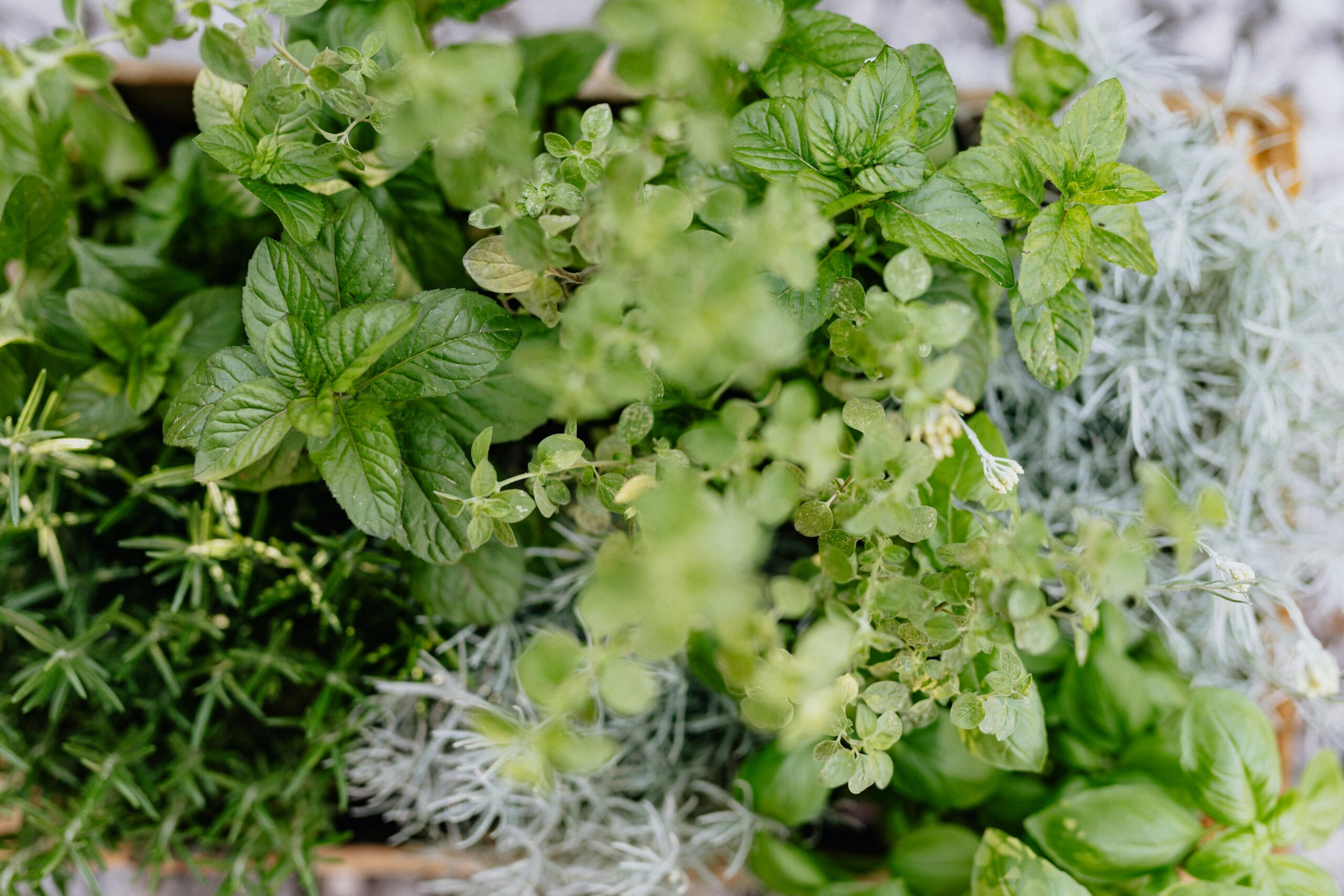
Across continents and across history, herbs have been the punctuation of cooking, small in volume, decisive in character.
1. Botanical Foundations
In culinary usage, an aromatic herb is the leafy or soft aerial part of a plant used to flavour food. The distinction between herb and spice is largely anatomical: herbs are the tender green parts (leaves, stems, sometimes flowers and immature seed heads), while spices are derived from drier or harder structures: bark, dried seeds, roots, or fruits. The line is not always sharp. Coriander supplies both an herb (the leaf, cilantro) and a spice (the seed). Fennel offers feathery aromatic fronds alongside its anise-flavoured seeds. Bay laurel provides a leaf used much like a spice for long simmering. On this Ingredient Profile Series we follow a flexible boundary: aerial parts used fresh, including soft, immature seed heads such as fresh fennel and coriander topsare treated as herbs, even when their dried-seed counterparts belong to the spices subcategory.
What distinguishes an aromatic herb biochemically is the presence of essential oils, concentrated mixtures of volatile compounds stored in specialised structures called glandular trichomes on leaves and stems. These oils, comprising mostly terpenes, terpenoids, and phenylpropanoids, are responsible both for the herb’s signature scent and for much of its phytochemical activity. Alongside these volatiles, herbs accumulate non-volatile polyphenols, including rosmarinic acid, carnosic acid, apigenin, and luteolin, which contribute additional antioxidant and biological activity.
2. Key Botanical Families
The vast majority of culinary aromatic herbs come from a small number of plant families. Understanding these family relationships clarifies why certain herbs share flavour profiles, growing conditions, and biological activity, even when their cultural uses differ.
Lamiaceae: The Mint Family
The Lamiaceae, with around 236 genera and 7,200 species, is the single most important family of culinary herbs. Members are recognisable by their square stems, opposite leaves, and abundant volatile oils. The family supplies most of the aromatic backbone of Mediterranean cooking, oregano (Origanum vulgare), rosemary (Salvia rosmarinus, reclassified from Rosmarinus officinalis), thyme (Thymus vulgaris), sage (Salvia officinalis), and sweet basil (Ocimum basilicum), and extends well beyond Europe to Asian and American traditions through Thai basil (Ocimum basilicum var. thyrsiflora), holy basil or tulsi (Ocimum tenuiflorum), perilla/shiso (Perilla frutescens), spearmint and peppermint (Mentha species), marjoram (Origanum majorana), savory (Satureja spp.), hyssop (Hyssopus officinalis), lemon balm (Melissa officinalis), and culinary lavender (Lavandula angustifolia).
Biochemically, Lamiaceae herbs are defined by their richness in phenolic monoterpenes, particularly carvacrol and thymol, the dominant compounds in oregano and thyme, and in non-volatile rosmarinic acid, widely distributed across the family.
Apiaceae: The Parsley & Carrot Family
The Apiaceae (or Umbelliferae) family is the second pillar of culinary herb diversity. Plants in this family produce characteristic umbrella-shaped flower clusters and finely divided, often feathery foliage. Key culinary members include flat-leaf and curly parsley (Petroselinum crispum), coriander/cilantro (Coriandrum sativum), dill (Anethum graveolens), chervil (Anthriscus cerefolium), fresh fennel fronds and bulbs (Foeniculum vulgare), and lovage (Levisticum officinale). The family is also home to many spices in their dried-seed form: coriander, cumin, caraway, anise, fennel, illustrating the herb-spice continuum within a single botanical lineage.
Apiaceae aromatic compounds are dominated by oxygenated monoterpenes such as linalool (in coriander leaf and seed), carvone (in dill and caraway), and α-pinene.
Asteraceae: The Daisy Family
The Asteraceae is one of the largest plant families on earth, but only a handful of species are used as culinary herbs. The most prominent is French tarragon (Artemisia dracunculus var. sativa), whose anise-tinged aroma comes principally from estragole and methyl chavicol. Tarragon is one of the four classic fines herbes of French cuisine alongside parsley, chervil, and chives. Other culinary Asteraceae include chamomile flowers (Matricaria chamomilla) used both fresh and dried, and edible chrysanthemum greens (Glebionis coronaria), known as shungiku in Japanese and tong hao in Chinese cooking.
Lauraceae: The Laurel Family
Most Lauraceae plants are tropical or subtropical trees, but two species are essential to the world’s herb cabinet: bay laurel (Laurus nobilis), the dark green leaf used across Mediterranean and European cooking, and Indonesian bay leaf or salam (Syzygium polyanthum, from the closely related Myrtaceae family but treated culinarily alongside Lauraceae bay), used in Southeast Asian curries and stews. The signature compound of the European bay leaf is 1,8-cineole (eucalyptol), complemented by linalool and α-terpinyl acetate.
Poaceae: The Grass Family
A grass as a culinary herb is unusual, but lemongrass (Cymbopogon citratus) and its East African cousin Cymbopogon flexuosus are foundational to Thai, Vietnamese, Indonesian, and Sri Lankan kitchens. The defining compound, citral (a mixture of geranial and neral), gives lemongrass its bright, lemony aroma without the acidity of citrus. A second species, Pandanus amaryllifolius (pandan), although technically not a grass, is similarly used as an aromatic green leaf in Southeast Asian sweet and savoury cooking, releasing the distinctive popcorn-like aroma compound 2-acetyl-1-pyrroline.
Amaryllidaceae: The Onion & Chive Family
The Amaryllidaceae (formerly grouped under Alliaceae) supplies the world’s onions and garlic, but several members are used principally as fresh aromatic herbs. Chives (Allium schoenoprasum), garlic chives or Chinese chives (Allium tuberosum), and ramps or wild leek (Allium tricoccum) provide a milder, fresher onion-and-garlic aroma than their bulbous relatives. Their aromatic compounds, sulphur-containing volatiles such as allyl sulphides, are biochemically distinct from the terpene-dominated profiles of Lamiaceae and Apiaceae, which is why they pair so distinctively with other herbs rather than competing with them.
Other Notable Families
Several culinary herbs come from smaller or more dispersed botanical groupings: nasturtium (Tropaeolum majus, Tropaeolaceae) contributes peppery, mustard-oil-rich edible leaves and flowers; sorrel (Rumex acetosa, Polygonaceae) brings a sour, oxalic-acid-driven freshness; hoja santa (Piper auritum, Piperaceae) supplies a distinctive sassafras-anise aroma to Mexican Veracruz cuisine; and curry leaf (Murraya koenigii, Rutaceae), a citrus relative, is foundational to South Indian and Sri Lankan cooking, where its bright, complex aromatic compounds infuse hot oils and tempered spice mixtures (tadka). These botanical outliers expand the global herb palette far beyond the Lamiaceae-Apiaceae axis.
3. Aromatic Herbs Across Culinary Traditions
Beyond family relationships, herbs are organised in the kitchen by the cultural traditions that shape their use. The same coriander leaf appears in salsa verde, Thai larb, and Indian chutney, but it is treated as fundamentally different in each. The boxes below sketch how distinct culinary cultures pair, layer, and time their use of aromatic herbs.
Mediterranean: Resinous Anchors and Bright Finishes
Southern European cooking organises herbs along an axis of hardy and tender. The hardy, resinous Lamiaceae: rosemary, thyme, oregano, sage, bay, withstand long cooking and infuse braises, roasts, and slow stews. The tender herbs: flat-leaf parsley, basil, mint, dill, chervil, are added at the end or used raw to finish dishes.The herbes de Provence blend (thyme, rosemary, savory, marjoram, sometimes lavender), infused early into slow braises, and the Italian habit of finishing pasta and grilled vegetables with a raw shower of torn basil, parsley, and oregano are both expressions of this layering logic. Greek, Levantine, and North African cooking extend the palette with mint, dill, parsley, and the dried thyme-sumac-sesame blend za’atar.
West Asian & Persian: Herbs as Vegetables in Their Own Right
In Iranian, Afghan, Kurdish, Azerbaijani, and Armenian kitchens, fresh herbs are eaten in volume, often raw, often as an entire course, rather than added in pinches. The sabzi khordan platter (literally “edible greens”) that anchors Iranian meals heaps fresh tarragon, dill, parsley, mint, coriander, reyhan (a Persian basil family that includes Thai basil), and scallions alongside flatbread, feta cheese, and walnuts; diners assemble bites by hand. Cooked herb-forward dishes, ghormeh sabzi (a stew of parsley, coriander, garlic chives, and fenugreek leaves with lamb and dried Persian limes), kuku sabzi (a baked herb frittata), ash reshteh (a herb-and-noodle soup), and sabzi polo (herb rice), build entire dishes around handfuls of herbs rather than pinches. Across the broader West Asian region, mint, parsley, dill, coriander, and tarragon appear in salads, yoghurt dishes, rice cookery, and as kebab accompaniments, often in quantities far larger than those typical of Northern European cooking.
South & Southeast Asian: Tropical Aromatics in Layered Pastes
Cuisines of Thailand, Vietnam, Indonesia, Cambodia, and Laos are unmatched in their use of fresh aromatic herbs as a structural element of meals. Thai cooking layers Thai basil (horapha), holy basil (krapao), lemon basil (manglak), coriander, mint, sawtooth coriander (Eryngium foetidum), and lemongrass within a single bowl. Vietnamese herb plates (rau thom) served alongside phở or rice paper rolls can include eight or more species at once, perilla, fish mint, Vietnamese coriander (rau ram), Thai basil, mint, and sawtooth coriander among them. Indian cuisine relies most heavily on coriander leaf, mint, and curry leaf (Murraya koenigii), with regional accents from holy basil and fenugreek leaves (methi, Trigonella foenum-graecum).
East Asian: Restrained, Pungent, and Often Pickled
Chinese, Japanese, and Korean cuisines use aromatic herbs more sparingly but very precisely. Japanese cooking is built around perilla/shiso (used green or red), mitsuba (Japanese parsley, Cryptotaenia japonica), kinome (the young leaves of the Japanese pepper tree, Zanthoxylum piperitum), and myoga (ginger flower buds). Korean dishes feature perilla leaves (kkaennip), garlic chives (buchu), and crown daisy. Chinese regional cuisines use coriander, garlic chives, Chinese celery, and Vietnamese mint, often introduced raw at the very end of cooking or pickled to extend shelf life.
Latin American & Caribbean: From Mexican Veracruz to the Andes and the Amazon
Mexican cooking carries one of the world’s richest indigenous herb traditions. Beyond ubiquitous coriander, the kitchen makes use of epazote (Dysphania ambrosioides), traditionally cooked with beans for its flavour and reputed digestive effects; hoja santa (Piper auritum), the broad sassafras-anise leaf wrapped around fish or used in green moles; papalo (Porophyllum ruderale), with a flavour between coriander and arugula; and culantro or sawtooth coriander. Andean and Amazonian cuisines contribute huacatay (Peruvian black mint, Tagetes minuta) and chincho; across the Caribbean, culantro and Cuban oregano (Plectranthus amboinicus) anchor the sofrito base of countless dishes; Guatemalan and Salvadoran kitchens build tamales and soups around chipilín (Crotalaria longirostrata); Colombia’s signature ajiaco depends on guascas (Galinsoga parviflora); and Brazilian cooking pairs everyday cheiro-verde (parsley and green onion) with the remarkable Amazonian jambu (Acmella oleracea), whose leaves produce a distinctive tingling sensation in dishes such as tacacá.
Northern European & Classic French: The Fines Herbes
French haute cuisine codified the fines herbes (finely chopped parsley, chervil, chives, and tarragon) as the universal finishing herb blend, paired most often with eggs, fish, and white sauces. Northern and Eastern European traditions add dill (especially central in Scandinavian, Polish, and Russian cooking), lovage, sorrel, and bay laurel. The bouquet garni of parsley, thyme, and bay leaf tied together for stocks and braises is the everyday French expression of the herb-as-infusion principle.
4. Nutritional and Phytochemical Significance
Aromatic herbs occupy a particular place in nutrition. Because they are typically used in small quantities, a tablespoon of fresh chopped parsley, a teaspoon of dried oregano, their direct contribution to daily macronutrients is small. What they offer instead is a disproportionate density of bioactive compounds relative to their weight. Three categories matter most.
Volatile Essential Oils
The volatile oils responsible for herbal aromas typically range from around 0.5% to over 4% of fresh weight depending on the species, harvest timing, and growing conditions, and become considerably more concentrated when herbs are dried (the water content drops while the oil content remains). Their main constituents are monoterpenes, sesquiterpenes, and phenylpropanoids. Specific signature compounds include carvacrol (oregano), thymol (thyme), 1,8-cineole (rosemary, sage, bay), eugenol (basil, clove basil), linalool (coriander, basil, lavender), citral (lemongrass, lemon balm), and menthol (peppermint).
Polyphenols
Beyond volatiles, herbs accumulate non-volatile polyphenols whose contribution to bioactivity may be greater than that of the essential oils at typical culinary doses. The most studied include rosmarinic acid (widely distributed across Lamiaceae and Boraginaceae), carnosic acid and carnosol (especially abundant in rosemary and sage), apigenin and luteolin (parsley, thyme, oregano), and quercetin. A PMC-hosted review on polyphenol-rich plants documents how these compounds confer antioxidant, anti-inflammatory, antimicrobial, and gut-microbiota-modulating properties, and notes the methodological challenge of translating in-vitro evidence to dietary claims.
Vitamins and Minerals (in Fresh Form)
Fresh herbs concentrate several micronutrients, although the small portions typical in cooking limit their daily contribution. Coriander leaves are rich in vitamin K and carotenoids; mint contributes manganese; basil supplies vitamin K and modest calcium. In typical use of 1-2 tablespoons of fresh chopped herb (roughly 4-8 g), these contributions are real but modest, the practical message is that herbs add micronutrient diversity, not micronutrient quantity.
5. Health Benefits Across the Category
The scientific literature on the health effects of aromatic herbs is substantial but uneven. Most evidence comes from in-vitro and animal studies of isolated essential oils or polyphenol fractions, often at concentrations far above what culinary use would deliver. Robust human clinical trials at dietary doses are comparatively rare. The summary that follows respects that distinction.
Antioxidant Activity
Among well-studied food categories, aromatic herbs sit toward the top of measured antioxidant capacity per gram. Studies using DPPH and ABTS radical-scavenging assays consistently rank oregano, thyme, sage, rosemary, and savory among the highest-activity culinary plants, with the antioxidant potency of carvacrol-rich and thymol-rich oils particularly well documented. Whether this translates into measurable changes in human oxidative-stress markers at culinary doses remains an open question, the small quantities typical in cooking inherently limit the total dietary contribution, however high the per-gram potency. The underlying chemistry is well established; the real-world dietary effect is harder to quantify.
Antimicrobial Properties
Essential oils from many culinary herbs, particularly: thyme, oregano, rosemary, and sage show strong activity against foodborne bacteria including E. coli, Salmonella, and S. aureus in laboratory conditions, as documented in a systematic review of antimicrobial essential oils. This has practical interest in the food industry, where herb-derived antimicrobials are increasingly studied as natural alternatives to synthetic preservatives. The same review cautioned that translating this in-vitro activity to clinically meaningful infection prevention in humans through diet alone is not supported by current evidence.
Anti-Inflammatory Potential
Polyphenols from herbs have demonstrated anti-inflammatory effects in cell and animal models, often through inhibition of NF-κB signalling and downstream cytokines. Rosmarinic acid, carnosol, and apigenin are among the best-characterised. Human clinical evidence at dietary doses is preliminary and mixed, with most positive findings coming from concentrated extracts.
Mediterranean Diet: The Strongest Population-Level Evidence
The most robust epidemiological link between herbs and human health does not come from herb supplementation studies at all. It comes from research on the broader Mediterranean dietary pattern, in which generous use of fresh and dried herbs is one of several characteristic features. Multiple meta-analyses and the landmark PREDIMED randomised controlled trial, originally published in the New England Journal of Medicine in 2013 and republished in 2018 with a corrected statistical analysis, have demonstrated significant reductions in cardiovascular events with adherence to the Mediterranean pattern. The reanalysis preserved the original direction and broad magnitude of the cardiovascular benefit, and a 2024 umbrella review of meta-analyses confirmed consistent benefits for both primary and secondary cardiovascular prevention. Herbs cannot be isolated as the active component of this pattern, but they are part of what makes it palatable, sustainable, and culturally rooted.
Salt Reduction and Blood Pressure
One of the most practically actionable benefits of cooking with aromatic herbs is what happens to the salt shaker. According to the World Health Organization, global average sodium intake stands at around 4,310 mg per day, equivalent to roughly 10.78 g of salt, more than double the WHO recommendation of less than 2,000 mg sodium (under 5 g salt) per day. Excess sodium intake is the leading dietary risk factor for raised blood pressure, which in turn drives a substantial share of cardiovascular disease and stroke. The WHO estimates that around 1.89 million deaths per year are attributable to excessive sodium intake.
The strongest direct evidence for herbs as a tool in this picture comes from the SPICE randomised clinical trial (Anderson et al., American Journal of Clinical Nutrition, 2015), which tested whether a behavioural intervention emphasising the use of culinary herbs and spices as alternatives to salt could help adults with hypertension, prehypertension, or diabetes maintain a low-sodium diet (1,500 mg/day). After 20 weeks, the herb-and-spice intervention group reduced sodium intake by approximately 957 mg/day more than the control group, a clinically meaningful difference associated at the population level with lower blood pressure and reduced cardiovascular risk.
This is one of the few areas where culinary use of herbs (rather than concentrated extracts or essential oils) has been linked to a measurable physiological outcome at typical dietary doses. The mechanism is simple and culturally well-known: herbs, alongside acid (vinegar, citrus), umami (mushrooms, tomato, fermented sauces), and aromatics (garlic, onion), offer the flavour complexity that makes lower-salt cooking palatable. In regions where salt intake substantially exceeds WHO targets, building a confident herb repertoire is among the most evidence-supported, low-cost dietary changes available, and it carries no realistic downside.
Digestive Support
Several herbs have a long traditional reputation as carminatives, substances historically associated with easing digestion and reducing bloating. Mint, fennel, dill, and coriander are the most commonly cited. Meaningful clinical evidence exists for peppermint oil specifically in the management of irritable bowel syndrome at concentrated, enteric-coated doses.
6. Global Culinary Applications
Culinary skill with herbs comes down to two questions: which form to use, fresh, dried, frozen, infused, paste and when to add them during cooking.
Fresh vs. Dried
Fresh herbs deliver volatile, bright top notes, the green grassy aroma of basil, the bright citrus of coriander leaf, the cool menthol of mint. Drying drives off the lightest, most volatile aroma compounds and concentrates the heavier, more resinous ones. As a result, hardy resinous herbs (oregano, thyme, rosemary, sage, bay, marjoram) often perform better dried, their flavour profile holds up well, and dried forms simmer happily into long-cooking dishes. Tender herbs (parsley, basil, coriander, dill, chervil, chives, mint) are usually far better fresh, their volatile aromatic identity is largely lost in drying, and dried versions read flat and grassy in dishes built around the herb. There are exceptions: dried mint is a mainstay of Levantine, Turkish, and North African cooking, where its concentrated, almost smoky character is preferred to fresh; dried dill is widely used in central and eastern European traditions. As a working rule of thumb, 1 teaspoon dried ≈ 1 tablespoon fresh, but never substitute dried tender herbs for fresh in a dish where the herb is meant to provide raw, bright top notes.
When to Add Them
Sustained heat drives off many volatile aroma compounds. The general culinary principle: hardy herbs early, tender herbs late. Bay leaves, rosemary sprigs, and thyme branches go into the pot at the start of a stew or braise. Basil leaves, mint, parsley, and coriander are stirred in at the end or scattered raw at the table. A rosemary sprig dropped into hot olive oil for thirty seconds infuses the oil.
Pairing Principles
Herbs pair most reliably with foods from their own culinary tradition, basil with tomato and olive oil, oregano with chickpeas and grilled aubergine, dill with cucumber and new potatoes, coriander with lime and chilli. Across traditions, basic chemistry helps: anise-flavoured herbs (tarragon, fennel fronds, basil, chervil) pair with sweet root vegetables, leeks, fennel bulb, and white beans; bright citral herbs (lemongrass, lemon balm) pair with coconut milk, tofu, mushrooms, and rice noodles; sulphur-pungent herbs (chives, garlic chives, ramps) finish potatoes, grains, legumes, and plant-based creams with a soft, fresh allium note.
7. Why Organic Matters for Aromatic Herbs
Aromatic herbs occupy a specific position in the organic conversation. Unlike fruits and vegetables that are peeled or extensively cooked, fresh herbs are typically eaten with their full leaf surface, lightly washed, and often raw. This can increase direct dietary exposure to any surface pesticide residues remaining from conventional cultivation.
For the consumer, organic certification on aromatic herbs offers three concrete assurances: (1) absence of synthetic pesticides whose residues might otherwise persist on the leaf surface; (2) prohibition of synthetic fertilisers and irradiation; and (3) traceability through certifying bodies. The trade-offs are also worth acknowledging: certified-organic herbs typically carry a price premium of 20-50% in retail, may be less consistently available outside major urban markets. Organic certification offers a stricter assurance for those who can access and afford it.
8. Growing Herbs at Home
Few ingredients reward a small effort as generously as fresh herbs. A sunny windowsill, a balcony pot, or a corner of the garden is enough to keep parsley, basil, mint, chives, thyme, and rosemary within reach all year. Hardy perennials such as rosemary, thyme, sage, oregano, and bay laurel tolerate neglect once established and improve with light pruning; tender annuals such as basil and coriander prefer warmth, regular watering, and frequent harvesting to delay flowering. A few small pots in the kitchen, well-drained, near light, watered when the soil surface dries, are enough to deliver fresher, more aromatic herbs than most retail alternatives, with no transport, no packaging, and no waste from unused bunches.
9. Selecting, Storing & Using
Buying Fresh
Choose herbs with vibrant colour, no yellowing or wilting, and no slime at cut stems. Aroma should be evident on a gentle squeeze of the leaves. For tender herbs (basil, coriander, parsley, mint), buy what you will use within a week. For hardy herbs (rosemary, thyme, sage, bay), purchase will keep two to three weeks refrigerated.
Storing Fresh
Two methods cover most herbs. Method A – water bouquet: treat the herbs like cut flowers. Trim 1 cm off the stems, place upright in a jar of water, cover loosely with a plastic bag, and refrigerate (basil prefers room temperature in water, refrigeration blackens its leaves). Change the water every two to three days. Method B – paper towel wrap: wrap the herbs loosely in a slightly damp paper towel, place in a perforated container or open bag, refrigerate. This works particularly well for parsley, coriander, dill, chives, and mint.
Buying & Storing Dried
Quality dried herbs retain green colour and strong aroma. Brown-grey colour, dusty texture, or weak smell indicates aged stock. Buy whole-leaf forms where possible, flaked or powdered herbs lose volatile compounds far faster. Store in airtight glass containers, away from heat and direct light (spice racks above the stove are the worst possible location). Label with the purchase date. As a working benchmark, dried herbs retain meaningful flavour for 6-12 months; ground forms closer to 6 months, whole leaves and stems closer to 12.
Drying & Freezing at Home
Hardy herbs dry well at home, bundle small bunches and hang in a dry, dark, well-ventilated space, or use a dehydrator at 35-40 °C until brittle. Tender herbs are usually better preserved by freezing. Two effective methods: chop and pack into ice-cube trays with a little olive oil or water, then transfer cubes to freezer bags; or freeze whole leaves on a tray, then bag once solid.
| ⚠️ A Note on Culinary Use of Essential Oils Aromatic-herb essential oils sold for aromatherapy and the food-grade essential oils used as culinary flavourings are not interchangeable. Aromatherapy oils are concentrated for topical and inhalation use and may carry contaminants or carrier substances unsafe for ingestion; many also exceed regulatory limits for food contact.If you choose to cook with essential oils, use only oils explicitly labelled as food-grade or flavouring, and remember that they are typically 50-100 times more concentrated than the dried herb. Potency varies very widely depending on the species, the part of the plant distilled, the brand, and the production batch, there is no universal substitution ratio. Begin with the smallest possible quantity typically a toothpick dip or a fraction of a drop dispersed into a fat or sugar carrier and tasted before scaling up, follow the specific manufacturer’s guidance, and never add the oil directly to water. Add at the end of cooking, since the volatile compounds break down rapidly under heat. Unless you have specific experience with culinary essential oils, the safer default is to use whole fresh or dried herbs.Critically, the strong evidence base on essential-oil bioactivity in the scientific literature comes from concentrations and routes of administration that bear no resemblance to culinary use. Aromatherapy and clinical claims about antimicrobial, anti-inflammatory, or therapeutic effects cannot be extrapolated to a drop in a vinaigrette. |
10. Conclusion
Aromatic herbs are a small ingredient with an outsized role in cuisine. They help define cuisines, carry centuries of culinary tradition, contribute a notable density of bioactive polyphenols and volatile oils per gram, and turn raw materials into recognisable dishes through a few thoughtful additions. The botany, from the resinous Lamiaceae of the Mediterranean to the bright Apiaceae of every continent and the citral grasses of Southeast Asia, gives the category its diversity. The cultural traditions give the category its meaning.
From a nutritional and clinical standpoint, the honest summary is twofold. Herbs add real but modest amounts of micronutrients in typical culinary portions, and a measurable density of bioactive compounds. Herbs are flavourful alternatives to salt: a strategy aligned with WHO public-health priorities on sodium reduction. Choosing organic, and growing at home are good practices for those who wish to reduce dietary pesticide exposure.
Fresh & Dried · Per 100 g · Select Fresh or Dried, then choose a nutrient to compare
Source: USDA FoodData Central SR Legacy · All values per 100 g · % DV based on FDA 2,000 kcal/day reference
─────────────────────────────
This article is part of Bem Bloom’s Ingredient Profile series. All information is provided for informational purposes only. It is not a substitute for professional medical or nutritional advice. Consult a qualified healthcare professional before making significant changes to your diet.
References and Further Reading
- Anderson C.A.M. et al. Effects of a behavioral intervention that emphasizes spices and herbs on adherence to recommended sodium intake: results of the SPICE randomized clinical trial. American Journal of Clinical Nutrition 2015;102(3):671-679. https://pmc.ncbi.nlm.nih.gov/articles/PMC4548171/
- Nieto G. Biological Activities of Three Essential Oils of the Lamiaceae Family. Medicines 2017;4(3):63. https://www.ncbi.nlm.nih.gov/pmc/articles/PMC5622398/
- Ahmad Z. et al. Antioxidant Potential of Polyphenolic Compounds, Sources, Extraction, Purification and Characterization Techniques: A Focused Review. Food Science & Nutrition 2025;13(12):e71259. https://pmc.ncbi.nlm.nih.gov/articles/PMC12689950/
- Spréa R.M. et al. Chemical and Bioactive Evaluation of Essential Oils from Edible and Aromatic Mediterranean Lamiaceae Plants. Molecules 2024;29(12):2827. https://www.ncbi.nlm.nih.gov/pmc/articles/PMC11206263/
- Aebisher D. et al. Essential Oils of Seven Lamiaceae Plants and Their Antioxidant Capacity. Molecules 2021;26(13):3793. https://www.ncbi.nlm.nih.gov/pmc/articles/PMC8270304/
- Pezantes-Orellana C. et al. Essential oils: a systematic review on revolutionizing health, nutrition, and omics for optimal well-being. Frontiers in Medicine 2024;11:1337785. https://pmc.ncbi.nlm.nih.gov/articles/PMC10905622/
- Ordoudi S.A. et al. Bay Laurel (Laurus nobilis L.) Essential Oil as a Food Preservative Source: Chemistry, Quality Control, Activity Assessment, and Applications to Olive Industry Products. Foods 2022;11(5):752. https://pmc.ncbi.nlm.nih.gov/articles/PMC8909149/
- da Silva L.R.R. et al. Lamiaceae Essential Oils, Phytochemical Profile, Antioxidant, and Biological Activities. Evidence-Based Complementary and Alternative Medicine 2021;2021:6748052. https://www.ncbi.nlm.nih.gov/pmc/articles/PMC8692021/
- Opara E.I. & Chohan M. Culinary Herbs and Spices: Their Bioactive Properties, the Contribution of Polyphenols and the Challenges in Deducing Their True Health Benefits. International Journal of Molecular Sciences 2014;15(10):19183–19202. https://www.ncbi.nlm.nih.gov/pmc/articles/PMC4227268/
- Valdivieso-Ugarte M. et al. Antimicrobial, Antioxidant, and Immunomodulatory Properties of Essential Oils: A Systematic Review. Nutrients 2019;11(11):2786. https://pmc.ncbi.nlm.nih.gov/articles/PMC6893664/
- Estruch R. et al. Primary Prevention of Cardiovascular Disease with a Mediterranean Diet Supplemented with Extra-Virgin Olive Oil or Nuts (PREDIMED – corrected reanalysis; original 2013 paper retracted and republished due to randomisation irregularities affecting ~21% of participants; cardiovascular benefit preserved). New England Journal of Medicine 2018;378:e34. https://www.nejm.org/doi/full/10.1056/NEJMoa1800389
- Hareer L.W. et al. The effectiveness of the Mediterranean Diet for primary and secondary prevention of cardiovascular disease: An umbrella review. Nutrition & Dietetics 2025;82(1):8-41. https://pmc.ncbi.nlm.nih.gov/articles/PMC11795232/
- World Health Organization. Sodium reduction – Fact Sheet. 2025. https://www.who.int/news-room/fact-sheets/detail/sodium-reduction
- European Commission. Farm to Fork Strategy – European Green Deal. https://food.ec.europa.eu/horizontal-topics/farm-fork-strategy_en
- European Union. Regulation (EU) 2018/848 on organic production and labelling of organic products.https://eur-lex.europa.eu/eli/reg/2018/848/oj
- FiBL & IFOAM. The World of Organic Agriculture: Statistics and Emerging Trends 2026. 2026. https://www.fibl.org/en/info-centre/news/europes-organic-market-sets-another-record-in-2024-farmland-stable