
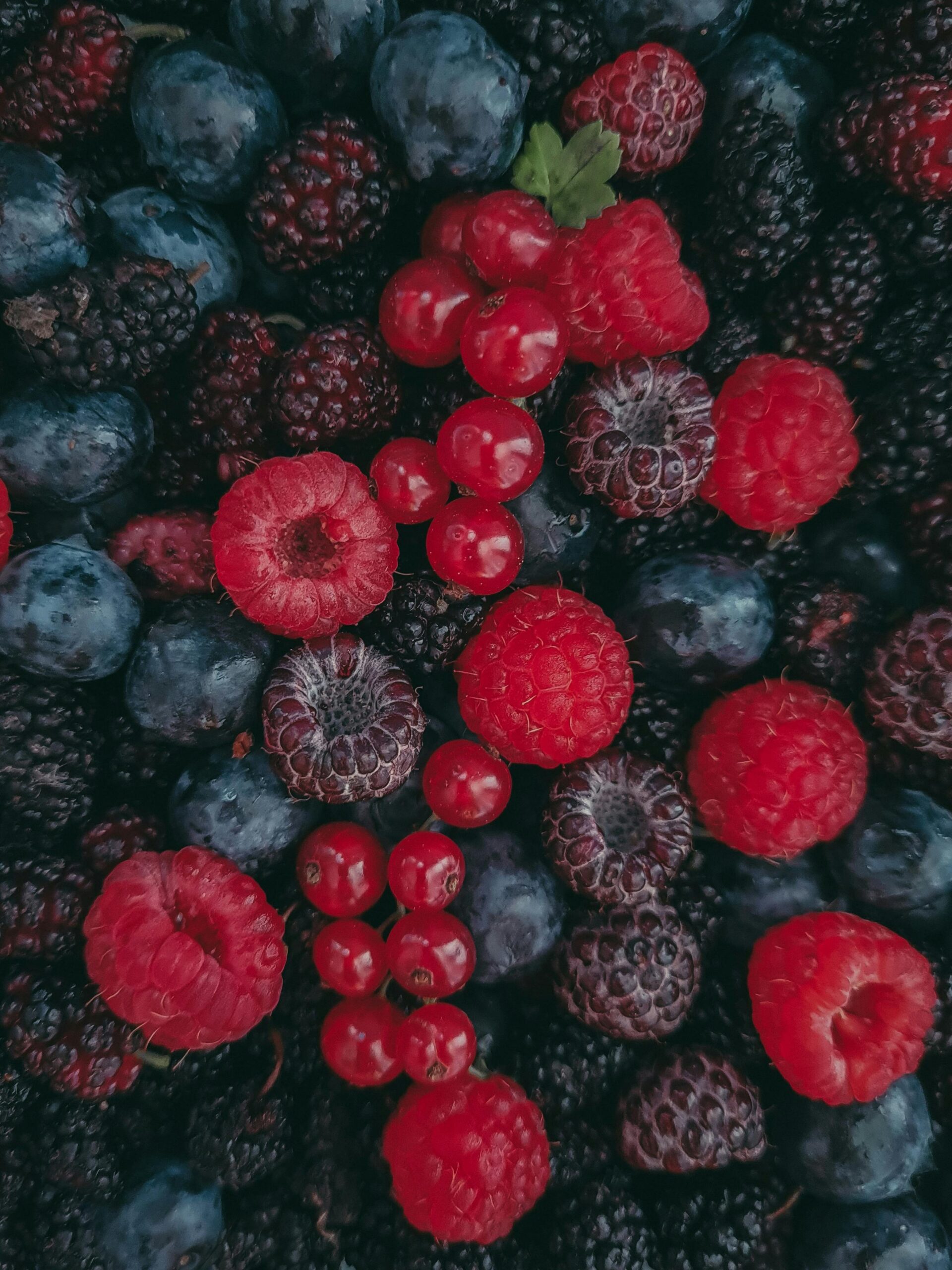
1. What Makes a Fruit a ‘Superfruit’?
Walk into any health food store and you will encounter a dazzling array of powders, capsules, juices, and frozen packets labelled with the word “superfruit”. Açaí from the Amazon, maqui from Patagonia, baobab from the African savannas, goji berries from the Himalayan foothills, these names have become symbols of nutritional potency and wellness aspiration. But what actually separates a superfruit from a regular piece of fruit?
The distinction is partly scientific and partly commercial. According to reviews published in the Journal of Cleaner Production and Sustainability, the term “superfruit” refers to fruits exceptionally rich in phytochemicals, plant-derived bioactive compounds that include flavonoids, anthocyanins, polyphenols, carotenoids, and vitamin C, alongside correspondingly high antioxidant activity as measured by standardised assays. While no regulatory body in the EU or US has officially codified the term, some researchers use it informally to describe fruits with notably high phytochemical density, though it remains primarily a commercial and consumer category rather than a formal scientific classification.
Berries form the backbone of this subcategory. Whether wild blueberries from the Nordic forests, cranberries from the bogs of New England, or elderberries from hedgerows across Europe, these small fruits punch far above their weight in terms of nutritional value per 100g. Alongside them, tropical superfruits: açaí, acerola, maqui, camu-camu, baobab, marula, goji, noni, jabuticaba, has attracted growing scientific interest over the past two decades, with studies documenting their phytochemical profiles and investigating their potential health applications.
2. The Science Behind Superfruits: Antioxidants, Phytochemicals, and Free Radicals
To understand the importance of berries and superfruits, you need to understand what they are actually doing inside the human body. The key mechanism is oxidative stress, a condition in which the body accumulates more reactive oxygen species (free radicals) than it can neutralise with its own antioxidant defences. Free radicals are unstable molecules that damage cellular DNA, proteins, and lipids, contributing to ageing and the development of chronic diseases including cardiovascular disease, type 2 diabetes, cancer, and neurodegenerative conditions.
This is where berries and superfruits become relevant. They are among the densest dietary sources of polyphenolic antioxidants, compounds that neutralise free radicals, chelate pro-oxidant metal ions, and activate the body’s own antioxidant enzymes. It is worth noting that the direct “antioxidant = health” model is increasingly considered an oversimplification; current research suggests that polyphenols exert their effects primarily through modulation of cellular signalling pathways rather than simple free radical scavenging. According to research published in Frontiers in Nutrition, polyphenols can be broadly divided into flavonoids (which include anthocyanins, flavonols, flavanols, and flavanones) and non-flavonoids (including phenolic acids, stilbenes, and lignans). Berries are particularly rich in anthocyanins, the pigments responsible for their characteristic red, blue, and purple colours, which have demonstrated potent antioxidant activity in multiple human intervention studies.
Beyond antioxidant action, the phytochemicals in superfruits engage with a range of biological pathways. They modulate inflammatory signalling cascades, interact with gut microbiota to produce beneficial metabolites, regulate gene expression related to fat metabolism, and in some cases demonstrate direct antimicrobial properties. A 2022 review published in Nutrients on berry bioactivity noted that while the evidence is strongest for cardiovascular and cognitive outcomes, the breadth of beneficial mechanisms is consistently emerging across cell culture, animal, and human studies.
3. Berries and Superfruits
The Berries and Superfruits encompasses a wide spectrum of fruits. For editorial purposes, we organise them into five groups and choose some examples from their vast range.
3.1. European and North American Berries
Blueberries (Vaccinium corymbosum) their deep blue colour reflects a notably high concentration of anthocyanins, up to 487 mg per 100g in wild varieties. Research from King’s College London found that consuming wild blueberry powder daily for 12 weeks improved memory and accuracy on attention tasks in adult participants. Blueberries are also among the two key berry components of the MIND diet, a dietary pattern specifically designed to reduce the risk of Alzheimer’s disease and cognitive decline.
Strawberries (Fragaria × ananassa) are the world’s most consumed berry and hold the largest market share at 41% of the fresh berry segment. Beyond their widespread popularity, they are meaningfully nutrient-dense: a 100g serving provides approximately 59 mg of vitamin C (66% of the EU Reference Intake). A clinical trial published in Nutrients linked regular strawberry consumption to improvements in cardiometabolic risk markers, including insulin resistance and lipid profiles, in adults with obesity.
Raspberries (Rubus idaeus) and Blackberries (Rubus fruticosus agg.) are rich in ellagitannins, a class of polyphenols converted by gut bacteria into urolithins, bioactive compounds that have shown promising effects on mitochondrial function and muscle health, with randomised trial evidence in older adults. Raspberries also contain some of the highest dietary fibre content among fruits, at 6.5g per 100g.
Cranberries (Vaccinium macrocarpon) are notable for their proanthocyanidins (PACs), particularly A-type PACs that have demonstrated the ability to prevent the adhesion of Escherichia coli bacteria to urinary tract epithelial cells. A meta-analysis published in The Journal of Urology and PLoS One found that cranberry products reduced the incidence of urinary tract infections by approximately 35% in susceptible individuals.
Elderberries (Sambucus nigra) have a long history of medicinal use in European folk medicine and have gained renewed scientific interest for their immune-supporting properties. A randomised controlled trial published in Nutrients found that elderberry extract supplementation significantly reduced the duration and severity of influenza symptoms.
3.2. Mediterranean and Eastern European Berries
Pomegranate (Punica granatum), though botanically a berry, is frequently classified with superfruits due to its notable concentration of punicalagins, unique antioxidants found almost exclusively in this fruit, along with anthocyanins and ellagic acid. Multiple human studies have linked pomegranate consumption to reduced blood pressure, improved cholesterol profiles, and anti-inflammatory effects.
Sea Buckthorn (Hippophae rhamnoides) stands out as one of the rare plant sources of all four omega fatty acids (3, 6, 7, and 9), making it uniquely interesting from a nutritional standpoint. It contains over 190 bioactive compounds and has high vitamin C content, up to 900 mg per 100g in some studies.
Black Currant and Red Currant are European native berries with very high anthocyanin and vitamin C content. New Zealand black currant has attracted particular research attention for exercise recovery benefits, with studies showing reduced muscle damage and improved recovery in recreationally active individuals.
3.3. Andean and Amazonian Superfruits
Açaí (Euterpe oleracea) is the Brazilian Amazonian palm fruit that launched the global superfruit phenomenon. It contains some of the highest polyphenol concentrations of any fruit, dominated by anthocyanins and flavonoids. Human studies have linked açaí juice consumption to higher blood antioxidant levels, reduced LDL oxidation, and improved blood sugar and insulin responses. Its fatty acid profile, dominated by oleic acid (Ω-9) and palmitic acid, is unusual among fruits.
Camu-Camu (Myrciaria dubia) is an outstanding natural source of vitamin C, containing between 1,882 and 2,280 mg per 100g of fresh pulp, approximately 20-40 times the vitamin C content of a fresh orange, according to a review published in ACS Omega. It also contains significant quantities of ellagic acid and castalagin. Research published in the Journal of Cardiology has documented its anti-inflammatory and antioxidant properties.
Maqui Berry (Aristotelia chilensis) from Chilean Patagonia has the highest anthocyanin concentration of any documented berry, up to 212 mg per gram in some extracts. A clinical trial published in Panminerva Medica found that maqui extract reduced postprandial blood glucose and insulin levels in subjects with glucose intolerance.
Acerola (Malpighia emarginata) is another exceptional vitamin C source, with fresh acerola providing between 1,000 and 4,500 mg of vitamin C per 100g, values that vary significantly by cultivar and ripeness. Unlike synthetic ascorbic acid, the vitamin C in acerola comes packaged with co-factors including bioflavonoids that may enhance bioavailability.
3.4. African Superfruits
Baobab (Adansonia digitata) is native to the semi-arid and sub-humid zones of sub-Saharan Africa. Its fruit pulp is naturally dehydrated inside a hard woody shell, giving it an unusually long shelf life and making it well-suited for export as a powder. The European Commission approved baobab fruit pulp as a novel food ingredient in 2008, followed by the US FDA in 2009, which catalysed a significant expansion of its international trade. Nutritional analyses published in Nutrients document substantial geographic variation in nutrient content, with vitamin C levels in the dried pulp ranging from approximately 175 to 290 mg per 100g, roughly five to ten times the content of oranges, depending on provenance. The pulp is also a notable source of prebiotic dietary fibre, calcium, potassium, and flavan-3-ols. A review published in Food Production, Processing and Nutrition documents antibacterial, anti-inflammatory, antidiabetic, and antioxidant properties in laboratory and animal studies, while noting that large-scale human clinical trials remain limited.
Marula (Sclerocarya birrea) is a savanna fruit tree widespread across Southern and East Africa. The fruit holds deep cultural importance among communities in its native range. Its nutritional profile includes high vitamin C content, polyphenols, organic acids, and a seed oil rich in oleic acid, the same monounsaturated fatty acid that characterises olive oil, which has driven substantial interest in marula oil in the cosmetic and food industries.
Gambeya albida (Chrysophyllum albidum), known as Agbalumo in Yoruba and Udara in Igbo, is a seasonal fruit native to the lowland rainforest zones of West and Central Africa. The sweet-tart pulp is widely consumed fresh during its December-to-March season and has long been used in local ethnomedicine. Its phytochemical profile is well-characterised, with catechin, epicatechin, and epigallocatechin among the predominant polyphenols documented in a 2026 review in Food Research International. Laboratory studies have documented inhibitory activity against α-amylase and α-glucosidase (enzymes involved in carbohydrate digestion), suggesting potential applications in glycaemic management.
3.5. Asian and Other Global Superfruits
Goji Berry (Lycium barbarum) has been used in Traditional Chinese Medicine for over 2,000 years to support vision, liver function, and longevity. Modern research has confirmed its rich content of zeaxanthin, a carotenoid with well-documented benefits for macular health and protection against age-related macular degeneration. Goji berries are also notable for their unique Lycium barbarum polysaccharides (LBPs), which have demonstrated immune-modulating effects in multiple studies.
Noni (Morinda citrifolia) from Polynesia is rich in iridoids, a class of phytochemicals including deacetylasperulosidic acid, which have shown anti-inflammatory and antioxidant activity in laboratory studies. Its traditional use in Pacific Island medicine spans several thousand years, primarily for pain management and immune support.
Amla (Phyllanthus emblica) or Indian gooseberry is a cornerstone of Ayurvedic medicine and one of the richest natural sources of vitamin C, with additional gallotannins (emblicanin A and B) that appear to have unique antioxidant stability. Research published in Frontiers in Pharmacology has documented its hepatoprotective and anti-diabetic properties in preclinical and clinical studies.
4. Key Health Benefits
While individual superfruits have unique nutritional profiles and specific applications, certain health benefits emerge consistently across the entire category, supported by a robust body of evidence:
4.1 Cardiovascular Health
Berries and superfruits have been studied as a component of cardiovascular risk reduction, with a growing body of trial evidence. A meta-analysis of 22 randomised controlled trials published in Scientific Reports found that berry consumption was associated with statistically significant reductions in systolic blood pressure, LDL cholesterol, and total cholesterol. The mechanisms involve multiple pathways: anthocyanins improve endothelial function by increasing nitric oxide bioavailability; polyphenols inhibit LDL oxidation; and dietary fibre from berries reduces cholesterol absorption.
4.2 Cognitive Function and Neuroprotection
The MIND diet, specifically designed by researchers at Rush University to reduce Alzheimer’s risk, identifies berries as one of only two fruit categories with strong enough evidence to merit specific dietary recommendations. A landmark study published in Annals of Neurology tracking over 16,000 women for more than two decades found that higher intake of blueberries and strawberries was associated with slower rates of cognitive decline, by up to 2.5 years of delayed cognitive ageing in the highest-consumption group. It is important to note that this is an observational association, not a demonstration of causation; dietary patterns, lifestyle, and socioeconomic factors may all contribute. The primary proposed mechanism involves the ability of flavonoids to cross the blood-brain barrier and modulate neuroinflammation.
4.3 Glycaemic Control and Metabolic Health
Multiple clinical trials have demonstrated that berries consumed alongside or immediately before high-carbohydrate meals can significantly blunt postprandial glucose and insulin spikes. A study published in the Journal of Nutrition found that consuming 150g of mixed berries with white bread, improved the postprandial glycaemic profile by 38%, compared to white bread alone. The mechanisms include inhibition of carbohydrate-digesting enzymes (alpha-amylase and alpha-glucosidase) by berry polyphenols, and improved insulin sensitivity through reduced oxidative stress.
4.4 Immune Support and Anti-Inflammatory Effects
The high vitamin C content of many superfruits, from acerola and camu-camu at the extreme end, to strawberries, kiwi, and blackcurrants at the more accessible end, directly supports immune function. Vitamin C is required for the proliferation and function of lymphocytes, the production of antibodies, and the maintenance of epithelial barriers. Beyond vitamin C, the polyphenols in berries and superfruits modulate inflammatory signalling pathways, reducing the production of pro-inflammatory cytokines including IL-6 and TNF-α, as documented in reviews published in Oxidative Medicine and Cellular Longevity.
4.5 Gut Microbiome and Digestive Health
An increasingly well-evidenced benefit of berry consumption is its positive impact on the gut microbiome. Berry polyphenols, being largely resistant to digestion in the small intestine, function effectively as prebiotics, selectively promoting the growth of beneficial bacteria including Bifidobacterium and Lactobacillus species. A clinical trial published in Journal of Agricultural and Food Chemistry found that six weeks of regular blueberry consumption significantly increased Bifidobacterium abundance in the human gut. The resulting microbiome changes may mediate many of the systemic health benefits associated with berry consumption.
5. How to Incorporate Berries and Superfruits Into Your Diet
The scientific evidence on berries and superfruits is compelling, but the practical question is equally important: how can you consistently incorporate adequate quantities into your diet, particularly when exotic superfruits are expensive and not always available fresh?
The good news is that bioactive compounds in berries are well-preserved across different processing methods. Research published in the Journal of Agricultural and Food Chemistry has demonstrated that:
- Frozen berries retain 80-95% of their anthocyanin content and in some cases actually have higher antioxidant activity than fresh berries that have been stored for several days, due to freeze-induced cell rupture releasing more bioactives.
- Freeze-dried powders are the most concentrated form, with approximately 8-10g of açaí or maqui powder providing the bioactive equivalent of a full 100g serving of fresh fruit, making them highly practical for daily smoothie use.
- Dried berries (goji, cranberry, mulberry) retain polyphenols well but often contain added sugar, which should be checked on labels. Unsweetened dried berries are a convenient shelf-stable option.
- Cold-pressed juices vary considerably in quality. Pure, not-from-concentrate berry juices retain significant polyphenol content, but diluted drinks and juice drinks with added sugar should be avoided.
- Supplements (capsules, extracts) can be useful for specific therapeutic applications, particularly standardised elderberry or cranberry extracts for immune and urinary tract health respectively, but should not replace whole fruit consumption, as the full matrix of fibre and co-occurring nutrients plays a role in health outcomes.
As a practical starting point, the evidence from multiple clinical trials suggests that regular berry consumption of one to two servings daily, has been associated with measurable cardiovascular and cognitive benefits, though effects vary depending on population, baseline diet, and health status. In practice, regular berry intake is achievable through: a small bowl of fresh or frozen mixed berries with breakfast; a smoothie with one tablespoon of açaí or maqui powder; or a mid-morning snack of fresh strawberries or blueberries.
6. Important Considerations and Precautions
While berries and superfruits are among the safest additions to any diet, there are some important caveats to be aware of:
Drug interactions: Certain berries can interact with medications. Goji berries (Lycium barbarum) contain compounds that may potentiate the effects of warfarin, and several case reports have documented bleeding complications. Elderberry products may theoretically stimulate immune activity, which could interact with immunosuppressant medications. Acerola’s very high vitamin C content can affect iron absorption and, at very high doses, may reduce the efficacy of certain chemotherapy drugs. Patients on medication should consult a healthcare professional before supplementing with concentrated superfruit products.
Allergies: Goji berries are increasingly recognised as an allergenic food, with cross-reactivity documented in individuals with tomato or tobacco allergies (all members of Solanaceae). Strawberry allergies, while relatively uncommon, are well-documented. Individuals with known fruit allergies should introduce exotic superfruits cautiously.
Added sugar in processed products: Many commercially available superfruit products, including açaí bowls, smoothie packs, goji berry snacks, and cranberry juice cocktails, contain substantial added sugar that offsets their nutritional benefits. Always check labels and opt for unsweetened versions where available.
Oxalate content: Several berries, including strawberries, raspberries, and blueberries, contain moderate amounts of dietary oxalates. Individuals with a history of calcium oxalate kidney stones are typically advised to moderate high-oxalate foods, though the evidence on whether berry consumption meaningfully increases kidney stone risk is mixed.
7. Conclusion
Berries and superfruits represent a well-researched area of nutritional science. The evidence for certain benefits, particularly for cardiovascular health, cognitive function, glycaemic control, and immune support, is grounded in decades of research across cell culture, animal, and human intervention studies. Their mechanisms are complex, multifactorial, and increasingly better understood at the molecular level. The category is not, however, immune to the heightened marketing claims sometimes seen across the wellness sector.
What makes this category particularly valuable from a dietary perspective is its accessibility. Unlike many functional food ingredients that require supplementation or specialised products, the majority of berry-derived benefits can be obtained through regular consumption of widely available, fresh, frozen, or dried berries. Adding a handful of blueberries to morning porridge, including frozen mixed berries in a smoothie, or incorporating fresh strawberries into an afternoon snack are all scientifically supported, practical interventions.
The exotic superfruits offer some additional phytochemical variety and are increasingly available in practical formats (freeze-dried, powders, capsules). However, it is worth emphasising that the majority of well-evidenced benefits associated with this category, cardiovascular, cognitive, glycaemic, and immune, are achievable with widely available and far less expensive superfruits that can be grown near you.
Nutrition Explorer
Source: USDA FoodData Central SR Legacy · All values per 100 g raw fresh weight, except * Goji (dried, NDB 09431) and ⁺ Açaí (frozen unsweetened purée, NDB 09755) · · % DV based on FDA 2,000 kcal/day reference · No official DV for sugars · No official DV for Beta-carotene · 0 values may indicate unmeasured, not absent
─────────────────────────────
This article is part of Bem Bloom’s Ingredient Profiles series. All information is provided for informational purposes only. It is not a substitute for professional medical or nutritional advice. Consult a qualified healthcare professional before making significant changes to your diet.
References and Further Reading
- Superfruit definition – phytochemical density Critical Reviews in Food Science and Nutrition (2019) https://www.tandfonline.com/doi/full/10.1080/10408398.2017.1422111
- Polyphenol classification (flavonoids / non-flavonoids) Frontiers in Nutrition (2024) https://www.frontiersin.org/journals/nutrition/articles/10.3389/fnut.2024.1376508/full
- Berry bioactivity – cardiovascular and cognitive outcomes Nutrients (2022) https://www.mdpi.com/2072-6643/15/11/2527
- Wild blueberry powder – memory and attention, 12 weeks Hein S et al. American Journal of Clinical Nutrition (2023) https://pmc.ncbi.nlm.nih.gov/articles/PMC10315404/
- Strawberry – cardiometabolic risk markers clinical trial Nutrients (2021) https://pmc.ncbi.nlm.nih.gov/articles/PMC8145532/
- Urolithins – mitochondrial function and muscle health, RCT in older adults Nutrients (2021) https://pmc.ncbi.nlm.nih.gov/articles/PMC8777576/
- Cranberry PACs – UTI incidence reduction (~35%) Journal of Urology (2017) https://www.auajournals.org/doi/abs/10.1016/j.juro.2017.03.078
- Elderberry – influenza duration and severity RCT Tiralongo E et al. Nutrients (2016) https://www.mdpi.com/2072-6643/8/4/182
- Black currant – exercise recovery in recreationally active individuals Nutrients (2021) https://www.mdpi.com/2072-6643/13/8/2875
- Açaí – polyphenols, antioxidant capacity, blood sugar and insulin Nutrients (2023) https://www.mdpi.com/2072-6643/15/4/989
- Camu-Camu – vitamin C content (1,882–2,280 mg/100g) ACS Omega (2023) https://pmc.ncbi.nlm.nih.gov/articles/PMC9933082/
- Camu-Camu – anti-inflammatory and antioxidant properties Inoue et al. Journal of Cardiology (2008) https://www.sciencedirect.com/science/article/pii/S0914508708001500
- Maqui – postprandial glucose and insulin in glucose intolerance Hidalgo et al. Panminerva Medica (2014) https://pubmed.ncbi.nlm.nih.gov/24861886/
- Acerola – vitamin C values by cultivar and ripeness Prakash & Baskaran. Food Quality and Safety (2018) https://pmc.ncbi.nlm.nih.gov/articles/PMC6098779/
- Baobab – vitamin C geographic variation (175–290 mg/100g dried pulp) Silva et al. Nutrients (2023) https://pmc.ncbi.nlm.nih.gov/articles/PMC10180768/
- Baobab – antibacterial, anti-inflammatory, antidiabetic, antioxidant Food Production, Processing and Nutrition (2024) https://link.springer.com/article/10.1186/s43014-024-00283-z
- African Star Apple – catechins, α-glucosidase inhibition, glycaemic management Food Research International (2026) https://www.sciencedirect.com/science/article/abs/pii/S0963996926004813
- Noni – iridoids, deacetylasperulosidic acid, anti-inflammatory/antioxidant Antioxidants (2025) https://pmc.ncbi.nlm.nih.gov/articles/PMC11939675/
- Amla – hepatoprotective and anti-diabetic properties Frontiers in Pharmacology (2023) https://pmc.ncbi.nlm.nih.gov/articles/PMC10637531/
- Berry consumption – cardiovascular risk factors meta-analysis (22 RCTs) Huang H et al. Scientific Reports (2016) https://www.nature.com/articles/srep23625
- Blueberries and strawberries – cognitive decline in 16,000+ women Devore EE et al. Annals of Neurology (2012) https://pubmed.ncbi.nlm.nih.gov/22535616/
- 150g berries with white bread – postprandial glycaemic profile Törrönen R et al. Journal of Nutrition (2013) https://pubmed.ncbi.nlm.nih.gov/23365108/
- Berry polyphenols – reduction of IL-6 and TNF-α Hussain et al. Oxidative Medicine and Cellular Longevity (2016) https://pmc.ncbi.nlm.nih.gov/articles/PMC5055983/
- Blueberry consumption – Bifidobacterium and Lactobacillus increase Vendrame et al. Journal of Agricultural and Food Chemistry (2011) https://pubmed.ncbi.nlm.nih.gov/22060186/
- Bioactive compounds preserved across processing methods Howard LR et al. Journal of Agricultural and Food Chemistry (2012) https://pubmed.ncbi.nlm.nih.gov/22243517/
- Regular berry consumption – cardiovascular and cognitive benefits (systematic review) Ahles S et al. International Journal of Molecular Sciences (2021) https://pmc.ncbi.nlm.nih.gov/articles/PMC8234025/