
1. Introduction
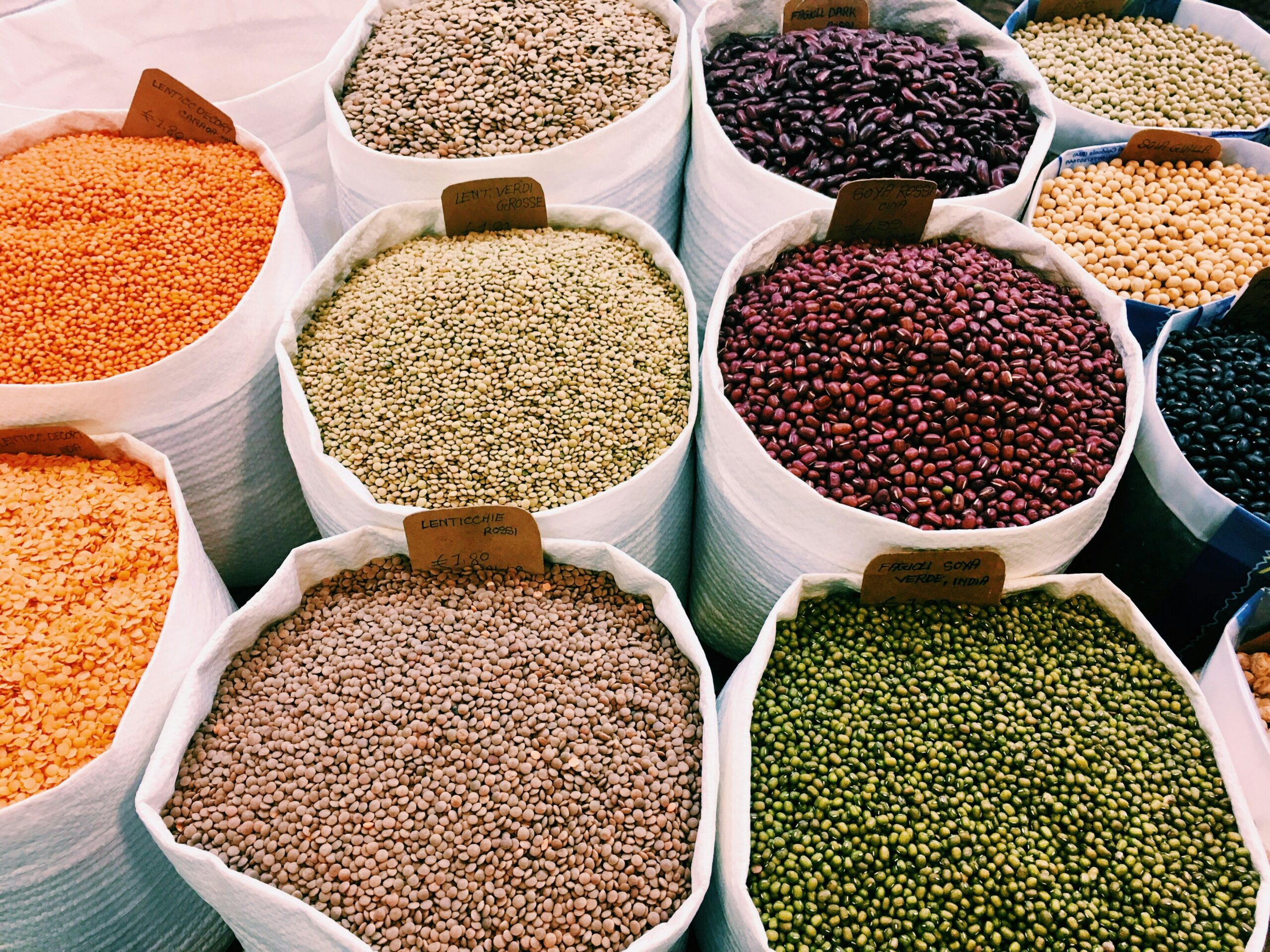
Few food groups in human history have contributed as much to global nutrition, agricultural sustainability, and culinary diversity as legumes. Cultivated for more than 10,000 years across Asia, the Middle East, Africa, and the Americas, these edible seeds of the Fabaceae plant family, commonly known as the pea family, form the nutritional and cultural backbone of some of the world’s most celebrated diets, from the Mediterranean to South Asian and Latin American food traditions.
Today, legumes are experiencing a significant resurgence. Driven by growing scientific evidence of their health benefits, rising consumer interest in plant-based protein, and their exceptionally low environmental footprint, lentils, chickpeas, beans, peas, and soybeans are increasingly recognised not only as traditional staples, but as foods positioned at the intersection of personal health and planetary wellbeing. The Food and Agriculture Organization of the United Nations (FAO) has long championed legumes as a critical solution for sustainable food systems, declaring 2016 the International Year of Pulses precisely to raise awareness of their nutritional and environmental credentials.
2. What Are Legumes? Classification and Major Types
The term “legume” refers to plants in the Fabaceae family, as well as the edible seeds and pods they produce. Within the broader legume category, two important subgroups are worth distinguishing:
- Pulses: The dried, mature seeds of legume plants, including dry beans, lentils, chickpeas, dry peas, cowpeas, and pigeon peas. The FAO recognises 11 primary pulse crops. Pulses are the most widely traded and consumed form of legume globally.
- Oilseed legumes: Including soybeans and peanuts, which have a higher fat content and different nutritional profile compared to pulses.
- Fresh legumes: Green beans, snap peas, and edamame, harvested before drying and often consumed with the pod.
The major legume families consumed worldwide include:
| Legume | Scientific Name | Key Varieties | Primary Producing Regions |
| Chickpeas | Cicer arietinum | Kabuli, Desi | India, Australia, Turkey, Pakistan |
| Lentils | Lens culinaris | Green, Red, Black, Puy | Canada, India, Turkey, Australia |
| Dry Beans | Phaseolus vulgaris | Black, Kidney, Navy, Pinto | Brazil, India, Myanmar, China |
| Soybeans | Glycine max | Yellow, Black, Edamame | USA, Brazil, Argentina, China |
| Peas | Pisum sativum | Green, Yellow, Split | Canada, Russia, France, China |
| Fava Beans | Vicia faba | Broad Beans | China, Ethiopia, Egypt, Morocco |
| Peanuts | Arachis hypogaea | Runner, Virginia, Spanish | China, India, Nigeria, USA |
| Mung Beans | Vigna radiata | Green Gram | India, China, Southeast Asia |
Source: FAO FAOSTAT; USDA Foreign Agricultural Service.
3. Nutritional Profiles: What Legumes Contain
Legumes are among the most nutritionally dense foods in the plant kingdom. According to research published in Frontiers in Nutrition (2024), their macronutrient and micronutrient composition makes them uniquely suited to support whole-body health across multiple systems.
🌿 Nutrition Data Explorer
Per 100 g cooked/boiled · USDA FoodData Central SR Legacy · Select any nutrient to rank
Source: USDA FoodData Central SR Legacy · Values per 100 g cooked/boiled (no salt) · ¹ Peanuts = raw · ² Tofu is a processed soy product, not a whole legume; calcium value reflects calcium-sulphate set tofu, nigari-set tofu contains approximately half this amount · % DV = % Daily Reference Value based on a 2,000 kcal diet (FDA) · Values are approximate
Beyond macronutrients, legumes are particularly notable for their content of folate (critical for cell division and foetal development), magnesium (muscle and nerve function), potassium (blood pressure regulation), zinc (immune support), and B vitamins including thiamine and riboflavin. Oilseed legumes like soybeans additionally provide isoflavones, phytoestrogens with documented cardiovascular and hormonal health effects.
One important consideration is bioavailability. Legumes contain antinutritional factors (ANFs), such as phytates, lectins, and tannins, that can reduce the absorption of certain minerals. Proper preparation methods including soaking, sprouting, and cooking significantly reduce these compounds and improve overall nutritional availability, as reviewed in Nutrients (2024).
4. Evidence-Based Health Benefits
4.1 Cardiovascular Health
The relationship between legume consumption and cardiovascular disease (CVD) is one of the most thoroughly researched areas in nutritional science. A meta-analysis published in Advances in Nutrition found a significant inverse association between total legume consumption and risk of CVD and coronary heart disease. Regular legume intake has been shown to improve multiple CVD risk factors: it lowers LDL (“bad”) cholesterol, reduces blood pressure, decreases systemic inflammation markers such as C-reactive protein (CRP), and supports healthy body weight, all via the combined action of soluble fibre, plant protein, and bioactive compounds including saponins and polyphenols.
4.2 Blood Sugar Regulation and Type 2 Diabetes
Legumes have a low glycaemic index (GI), meaning they cause a slower and more moderate rise in blood glucose compared to refined carbohydrates. According to the American Diabetes Association, dietary patterns rich in legumes, including DASH and Mediterranean-style diets, are recommended for glycaemic management. A clinical trial involving subjects with type 2 diabetes found that a low-GI legume diet (targeting ~1 cup of cooked legumes daily) led to significant improvements in HbA1c and LDL cholesterol over three months compared to a high wheat-fibre control diet.
4.3 Weight Management and Satiety
Data from the National Health and Nutrition Examination Survey (NHANES) show that adults who consumed legumes had significantly lower body weights and were far less likely to be obese (BMI >30) than non-consumers. This effect is mediated by the combined presence of protein, fibre, and slowly digested resistant starch, all of which promote prolonged satiety and reduce overall caloric intake throughout the day.
4.4 Digestive Health and the Gut Microbiome
Legumes are one of the richest dietary sources of prebiotic fibre, which selectively feeds beneficial bacteria in the gut. Regular legume consumption is associated with increased populations of Bifidobacterium and Lactobacillus species, and with the production of short-chain fatty acids (SCFAs), particularly butyrate, which support colonic health and reduce inflammatory markers. The World Cancer Research Fund International (WCRFI) highlights the importance of dietary fibre from legumes in reducing the risk of colorectal cancer, with convincing evidence from multiple large-scale cohort studies.
A common concern associated with legumes is digestive discomfort, bloating and flatulence, resulting from fermentable oligosaccharides (FODMAPs). However, clinical feeding trials reported in Legume Science (2023) suggest these effects are often overstated. When legumes are introduced gradually into the diet and consumed regularly, the gut microbiome adapts and gastrointestinal symptoms tend to diminish significantly over time.
4.5 Bone Health, Folate, and Micronutrient Support
Legumes are an important source of folate (vitamin B9), essential for DNA synthesis, cell repair, and the prevention of neural tube defects during pregnancy. Magnesium, abundant in most legumes, plays a critical role in over 300 enzymatic reactions and supports bone density, muscle function, and nerve signalling. Iron from legumes, while in the non-haem form, which is less readily absorbed than haem iron, can be significantly enhanced by consuming legumes alongside vitamin C-rich foods. The NIH Office of Dietary Supplements provides detailed guidance on optimising non-haem iron absorption in plant-based diets.
5. Recommended Intake
Dietary guidelines across multiple countries endorse legume consumption as a regular component of healthy eating. A comprehensive review of global Food-Based Dietary Guidelines (FBDG) published in PMC (2022) found that the majority of national guidelines, across Asia, Europe, the Americas, and Africa, recommend legume consumption at least several times per week.
| Guideline / Body | Recommendation | Notes |
| WHO / FAO | 3-4 servings per week | Associated with reduced chronic disease risk |
| Mediterranean Diet | Daily inclusion | Cornerstone of this dietary pattern |
| DASH Diet | 4-5 servings per week | Linked to blood pressure management |
| EAT-Lancet Planetary Health Diet | ~50g/day dried (~200g cooked) | For a sustainable 2,500 kcal reference diet |
| US Dietary Guidelines 2020-2025 | 1.5 cups per week (for 2,000 kcal diet) | Grouped with vegetables and protein foods |
| Australian Dietary Guidelines | Encouraged daily | Classified in both protein and vegetable groups |
A practical starting point for most adults is ½ to 1 cup of cooked legumes per day (approximately 90-180g). For those new to legumes, starting with well-cooked, lower-FODMAP varieties such as canned lentils or tofu and gradually increasing portion size helps the digestive system adapt comfortably.
6. Culinary Uses: Versatility Across Traditions
One of the defining characteristics of legumes is their extraordinary culinary versatility. Across cultures and continents, they form the backbone of some of the world’s most beloved dishes, from Indian dals, French lentil soups, Ethiopian and Eritrean misir wat, to Brazilian feijoada, Middle Eastern hummus, and Mexican refried beans.
6.1 Cooking Methods
- Dried and soaked: Soaking dried legumes overnight and then boiling reduces cooking time, improves texture, and significantly reduces antinutrients. Rinse thoroughly after soaking.
- Canned (pre-cooked): Convenient and nutritionally comparable to home-cooked. Rinse canned legumes before use to reduce sodium content by up to 40%.
- Sprouted: Sprouting increases bioavailability of certain nutrients and reduces antinutritional factors. Ideal for salads and raw preparations.
- Roasted: Oven-roasted chickpeas and edamame make excellent high-protein snacks with minimal preparation.
- Ground into flour: Chickpea flour (besan) and lentil flour are widely used in South Asian, Italian (farinata), and North African cuisines for flatbreads, batters, and pasta.
6.2 Culinary Pairings
Legumes pair exceptionally well with complementary proteins to form complete amino acid profiles. Combining legumes with whole grains (rice + beans, lentils + bread, hummus + pitta) provides all essential amino acids in adequate quantities, a practice that has been a feature of traditional diets worldwide for millennia. Other effective pairings include legumes with tomatoes and lemon (enhances iron absorption), cumin and turmeric (anti-inflammatory synergy), and fresh herbs such as coriander and parsley.
7. Environmental Credentials and Sustainability
Legumes are widely recognised as one of the most environmentally sustainable sources of dietary protein available to humanity. Their sustainability advantages operate across three dimensions:
- Nitrogen fixation: Legumes have the unique biological ability to fix atmospheric nitrogen into the soil through a symbiotic relationship with Rhizobium bacteria in their root nodules. This natural process reduces dependence on synthetic nitrogen fertilisers, one of the most energy-intensive inputs in conventional agriculture, and improves soil fertility for subsequent crops in rotation schemes, as documented by the FAO Soils Portal.
- Lower greenhouse gas (GHG) emissions: The greenhouse gas emissions associated with pulse crop production represent a fraction of those generated by animal proteins (even compared to other plant proteins, legumes rank among the lowest-emission options), a finding consistently supported across life cycle analyses, including the Poore & Nemecek (2018) the largest meta-analysis of food systems to date, published in Science, which covered 38,700 commercially viable farms across 119 countries.
- Water efficiency: Legumes require substantially less water per kilogram of protein produced than animal products, and most are well-adapted to semi-arid environments, making them resilient candidates for climate adaptation in agriculture.
- Biodiversity and crop rotation: The incorporation of legumes into crop rotations enhances agricultural biodiversity and reduces monoculture-associated risks, contributing to longer-term soil health and ecosystem resilience.
The EAT-Lancet Commission’s Planetary Health Diet (2019) specifically highlighted legumes as a critical food group that must approximately double in global per capita consumption if we are to achieve both human health and planetary sustainability targets by 2050.
8. Precautions and Special Considerations
While legumes are broadly safe and beneficial for most adults, several specific considerations are worth noting:
- Gout: Although legumes contain moderate levels of purines, current evidence suggests that plant-based purines are not associated with the same gout risk as purines from animal sources. Most people with gout can consume legumes in moderation.
- Irritable Bowel Syndrome (IBS): Some individuals with IBS may be sensitive to high-FODMAP legumes (kidney beans, chickpeas). Lower-FODMAP alternatives include firm tofu, canned and rinsed lentils, and edamame.
- Thyroid function (raw soybeans): Raw or minimally processed soy contains goitrogens that may interfere with thyroid function in individuals with pre-existing thyroid conditions. Thoroughly cooked soy products do not typically present this concern.
- Peanut allergy: Peanuts, technically a legume, are among the most common food allergens. Tree nut allergies do not automatically indicate legume allergy, but individuals with peanut allergy should consult a healthcare professional before consuming other legumes.
- Iron absorption: Consuming legumes alongside vitamin C-rich foods (citrus, tomatoes, peppers) significantly enhances non-haem iron absorption. Avoid consuming legumes alongside high-tannin tea or coffee at the same meal.
9. Conclusion
Legumes represent one of the most compelling food groups available to anyone seeking to improve both their personal health and their environmental impact. The scientific literature consistently demonstrates meaningful benefits for cardiovascular health, blood sugar regulation, weight management, and digestive function, benefits underpinned by a nutritional profile that combines high-quality plant protein, dietary fibre, and a broad spectrum of essential micronutrients in a single, affordable, and accessible food source.
At the same time, legumes offer a rare convergence of nutritional density and environmental sustainability: they enrich the soils in which they grow, require minimal water relative to animal protein sources, and produce a fraction of the greenhouse gas emissions associated with meat and dairy production. In a world increasingly focused on building resilient, equitable, and low-carbon food systems, legumes are not merely a dietary recommendation, they are a fundamental ingredient in the transition toward sustainable eating.
Whether you are adding a handful of lentils to a soup, blending chickpeas into hummus, or simply experimenting with a new bean variety, incorporating legumes more consistently into your diet is one of the most evidence-based nutritional decisions you can make.
─────────────────────────────
This article is part of Bem Bloom’s Ingredient Profiles series. All information is provided for informational purposes only. Is not a substitute for professional medical or nutritional advice. Consult a qualified healthcare professional before making significant changes to your diet.